
New steel front doors can recover 100% of their estimated cost at resale, according to the National Association of REALTORS®’ 2025 Remodeling Impact Report, and that's the kind of number that gets a Boise homeowner's attention fast. In a market like the Treasure Valley, where winters bite, summers run hot, and buyers care about curb appeal, the smartest home upgrades that pay for themselves do more than trim a utility bill. They improve comfort, reduce maintenance, and strengthen resale value in ways that show up both now and later.
The catch is that not every “value” project pays back the same way. Some upgrades save money every month, some recover value when you sell, and some do both. That's why the best approach in Idaho is to start with the building envelope, then move to systems and controls.
For Treasure Valley homes, that usually means windows, doors, insulation, air sealing, and efficient mechanicals before cosmetic splurges. A local installer matters here, because Boise, Meridian, Eagle, Nampa, Caldwell, Kuna, Garden City, and Star all see enough weather swing to make sloppy installs expensive. C & C Windows & Doors focuses on energy-efficient windows and patio doors built for Idaho conditions, which makes it a practical fit for this kind of work.
Table of Contents
- 1. Energy-Efficient Window Replacement
- 1. Energy-Efficient Window Replacement
- 2. Patio Door Upgrades for Indoor–Outdoor Living
- 4. Attic and Basement Insulation Enhancement
- 4. Attic and Basement Insulation Enhancement
- 5. Solar Panel Installation
- 6. Water Heater Upgrade to Tankless or Heat Pump
- 7. Smart Home Energy Management Systems
- 8. Air Sealing and Weatherstripping
- 8 Home Upgrades, Payback Comparison
- Your Roadmap to a Smarter, More Valuable Home
1. Energy-Efficient Window Replacement
Boise homes put their windows through a lot. West-facing glass takes hard afternoon sun, winter drafts show up fast in older frames, and a poorly fitted unit can make one room feel very different from the rest of the house. For Treasure Valley homeowners, replacement windows stay near the top of the list because they affect comfort, monthly operating costs, and resale at the same time.
The resale numbers are strong. The National Association of REALTORS®’ 2025 Remodeling Impact Report puts new vinyl windows at 74% cost recovery and new wood windows at 71% at resale. For energy performance, ENERGY STAR-certified windows are designed to cut heat loss and solar gain, and the U.S. Department of Energy notes that efficient window choices can reduce overall energy use in the home. For a local owner, that matters in practical terms. Better windows can ease winter heat loss, reduce summer cooling demand, and make a house feel more consistent from room to room. For a local installation guide that fits Idaho conditions, see this Treasure Valley window replacement resource.
What to prioritize in Treasure Valley homes
South- and west-facing windows usually deserve the first look because they take the most sun and heat. In Boise, Meridian, Eagle, Nampa, Caldwell, Kuna, Garden City, and Star, that can mean hotter afternoon rooms in summer and more glare on long bright days. If the existing units are older single-pane windows, or if the frames are warped, fogged, or leaking air, the upgrade tends to pay back faster in comfort than a purely cosmetic project.
Frame material and glass package matter more than flashy marketing. Vinyl often gives the best balance of cost and efficiency for many Idaho homes, while wood can make sense where the owner wants a traditional look and is willing to accept more maintenance. Low-E glass, insulated frames, and the right installation details are what keep the performance from falling short after the sale closes.
A good contractor will also look at the whole opening, not just the sash. If the house has settling issues, failed flashing, or trim rot, the replacement window alone will not solve the problem. That is where an experienced local installer makes a difference, because a sloppy install can erase much of the benefit homeowners expect from the upgrade.
How to judge whether the upgrade is worth it
The easiest way to judge a window project is to ask two questions. First, how much comfort and energy loss is the current window causing now. Second, how long does the owner expect to stay in the home. If the answer is a long hold, the monthly savings and better livability matter just as much as resale.
Windows also compete with other envelope work. In some Boise homes, air sealing or insulation may give a faster payback if the windows are still structurally sound. In others, especially where panes are broken down, seals have failed, or the home faces harsh sun, replacement is the better move. The right call depends on condition, exposure, and budget, not on a one-size-fits-all rule.
That is why homeowners who want a lasting result should compare bids carefully and ask what is included in the install. Product quality matters, but labor quality decides whether the windows perform as promised.
1. Energy-Efficient Window Replacement
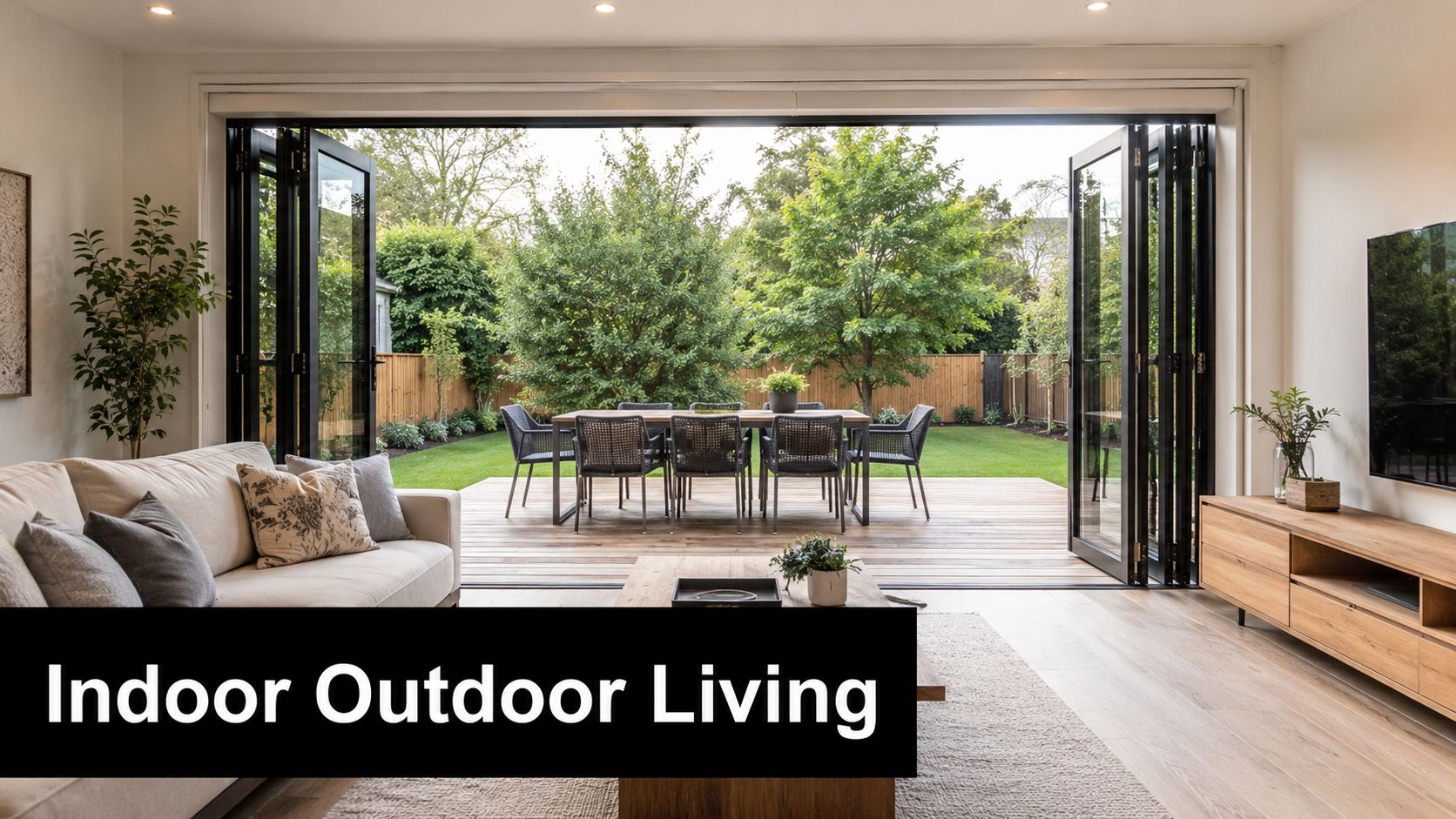
Old windows are one of the fastest ways to lose comfort in Boise. Drafts, heat gain on west-facing glass, and uneven room temperatures become obvious during summer afternoons and again when the first cold snap moves through the Valley. That is why replacement windows stay near the top of every serious list of home upgrades that pay for themselves.
The financial case is solid. The National Association of REALTORS®’ 2025 Remodeling Impact Report puts new vinyl windows at 74% cost recovery and new wood windows at 71% at resale, while Energy Star says homeowners can save an average of 12% on energy bills after upgrading to ENERGY STAR-certified windows (NAR report, Energy Star window guidance). That matters in Idaho because a window project can help on both sides of the ledger, monthly operating costs and eventual resale.
What to prioritize in Treasure Valley homes
Not every window earns the same return. South- and west-facing openings usually matter most because they take the hardest solar hit during Boise summers. On the practical side, spring and fall are the easiest times to replace them, because the HVAC system is not working as hard and comfort problems show up before peak weather sets in.
Practical rule: Replace the windows that drive the worst drafts, noise, or solar gain first. That usually beats swapping every window in the house at once.
C & C Windows & Doors offers an energy-efficient window guide for Idaho homeowners who want a closer look at climate-fit products and installation details, including ENERGY STAR-ready replacement windows for Idaho homes. In real Boise houses, this is the upgrade people notice right away, quieter rooms, less cold radiating off the glass, and fewer fights with the thermostat.
2. Patio Door Upgrades for Indoor–Outdoor Living
A tired patio door can make a nice backyard feel disconnected from the house. In the Treasure Valley, that matters more than it sounds, because outdoor living stretches across a long part of the year, and homeowners want the transition between house, deck, and yard to feel easy.
The resale side is real. New patio doors can improve both appearance and performance, and broad market guidance places door replacement among the stronger exterior projects for value recovery. The 2025 NAR data shows new steel front doors at 100% cost recovery and new fiberglass front doors at 80%, which reinforces the general point that high-quality exterior openings carry strong value signaling at resale (NAR report). For patio doors specifically, the value comes from better sealing, smoother operation, and a more usable connection to outdoor space.
Why Boise buyers notice door upgrades
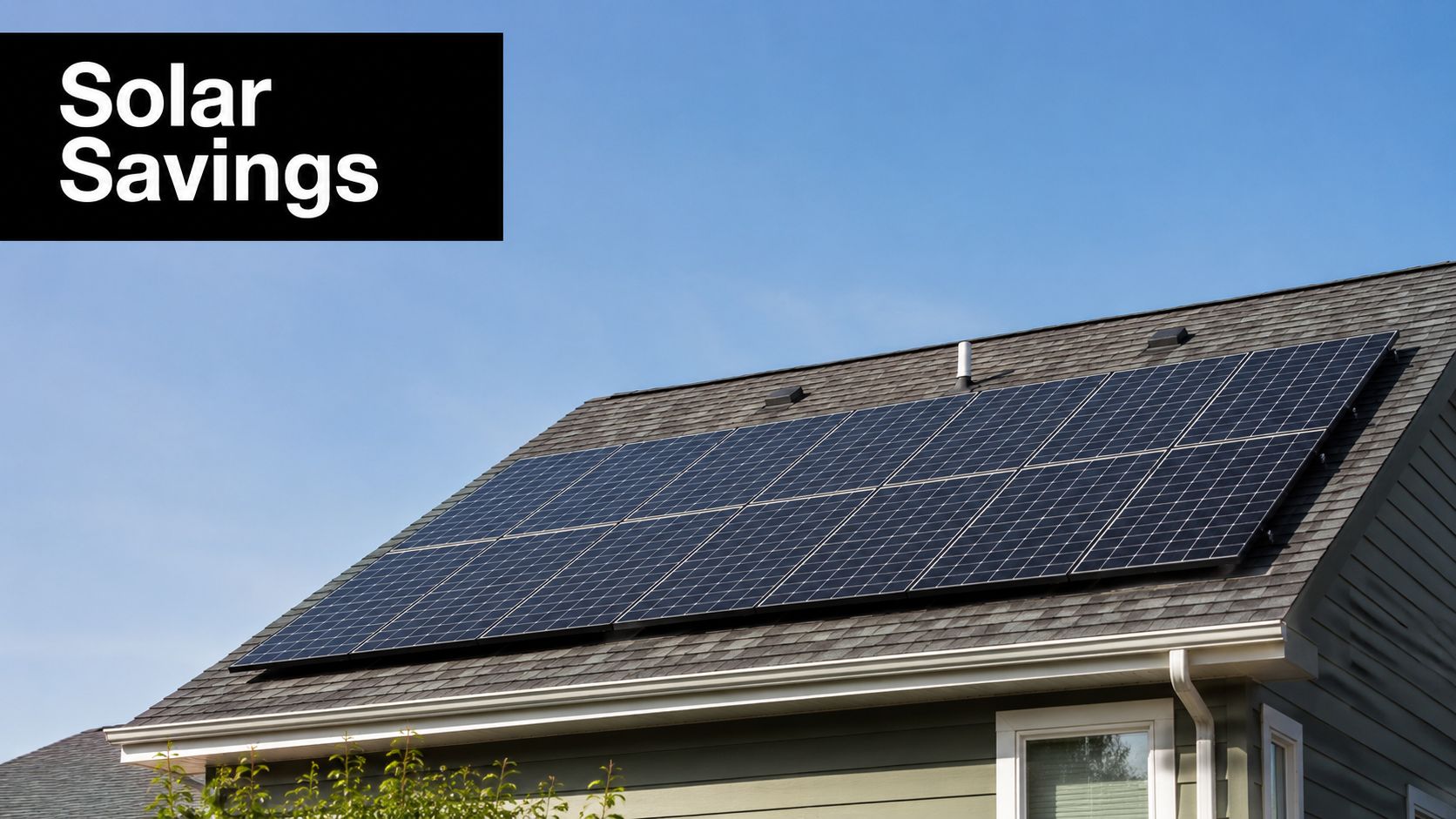
Buyers notice a patio door the same way they notice a front entry, if it sticks, leaks, or looks dated, they assume the house has more hidden maintenance. Modern sliding and bi-fold systems solve that problem with better hardware, tighter weather sealing, and cleaner sightlines. C & C Windows & Doors has energy-efficient patio doors for Treasure Valley homes that fit that need without turning the project into a full remodel.
A few practical choices make a difference:
- Choose sliding doors for tighter layouts. They preserve floor space and work well where furniture placement is limited.
- Use bi-fold doors when you want a wider opening. They make sense for patios built around entertaining.
- Match frame style to nearby windows. Cohesion matters when a buyer is scanning listing photos.
- Insist on proper flashing and sealing. A beautiful door that leaks isn't a value upgrade.
In Boise or Eagle, a patio door upgrade often pays back in use before it pays back on paper. People enjoy the space every day, then see the benefit again when it's time to list.
4. Attic and Basement Insulation Enhancement
If a house feels expensive to heat, the attic is usually part of the reason. Heat escapes through thin insulation, air leaks around fixtures, and unsealed openings in the attic floor. In Idaho, that shows up as uneven upstairs temperatures, cold bedrooms, and a furnace that runs harder than it should once the weather turns.
Industry guidance keeps insulation near the top of value-minded improvements because it cuts waste at the source. The National Association of Realtors' Remodeling Impact Report has long treated insulation as one of the stronger payback projects in the home, and that lines up with what homeowners feel month to month. Unlike cosmetic upgrades, this work changes how the house performs in Boise's cold winters and hot summer stretches.
C & C Windows & Doors notes that the strongest energy upgrades start with the whole building envelope. That fits field experience. A tight attic and a leaky perimeter still leave comfort on the table, because conditioned air keeps escaping through gaps around windows, doors, and framing. Blown-in cellulose, spray foam, and rigid board each have a place, depending on access and the area being treated.
The order matters more than the material
A lot of homeowners rush straight to new insulation without checking air leaks or ventilation first. That can be a mistake. The attic needs proper ventilation, major penetrations need to be sealed, and the insulation material has to match the space it is filling. If the roof deck or basement rim joists are ignored, the house still loses heat in the places that matter most.
Basements need the same practical thinking. In Boise and the rest of the Treasure Valley, cold slab edges and exposed foundation walls can make lower levels feel drafty even when the furnace is working. Insulating those areas improves comfort, helps protect pipes, and reduces temperature swings between floors. The payoff is usually felt in steadier indoor temperatures before it is seen anywhere else.
There is also a resale angle, and buyers notice it when they tour a home. A well-insulated attic and basement suggest lower utility costs, fewer comfort complaints, and less deferred maintenance. Pairing this work with sealed windows and doors gives the house a more complete envelope, which is why insulation often performs better as part of a broader efficiency plan than as a stand-alone fix.
4. Attic and Basement Insulation Enhancement
If a house feels expensive to heat, the attic is often part of the reason. Poor insulation lets conditioned air escape and makes the furnace work harder than it should. In Idaho, that shows up as uneven upstairs temperatures, chilly bedrooms, and a heating bill that keeps climbing when the weather turns.
National consumer guidance points to insulation as a major direct-savings upgrade, and the broader industry data cited in the brief ranks upgrading household insulation at 100% cost recovery in some summaries (Britannica-cited summary via NAR). That doesn't mean every home gets the same result, but it does show why insulation keeps earning a place near the top of value lists. Unlike decorative remodels, this work changes how the house performs.
C & C Windows & Doors notes that insulation works best when it's paired with sealed windows and doors. That matches what I see in the field, because a tight attic and a leaky perimeter still leave comfort on the table. Blown-in cellulose, spray foam, and rigid board each have their place, depending on access and the area being treated.
The order matters more than the material
A lot of homeowners rush straight to new insulation without checking air leaks or ventilation first. That can be a mistake. You want the attic properly ventilated, major penetrations sealed, and the right material chosen for the space.
- Seal openings around pipes, wires, and ducts. Those small gaps add up.
- Treat rim joists and basement edges carefully. Cold air intrusion often starts low.
- Use blown-in material for broad coverage. It's efficient in open attic bays.
- Use spray foam where air sealing matters most. Penetrations need tight control.
If you want one upgrade that helps a Boise home feel calmer in both January and July, insulation is hard to beat. It's not flashy, but it pays you back every time the system runs less often.
5. Solar Panel Installation
Solar makes sense in Idaho because the state gets enough sun to support meaningful production, and many homeowners like the idea of turning part of their roof into a utility asset. The important part is keeping expectations grounded. Solar can lower bills and improve long-term value, but it works best after the house itself is tightened up.
The verified data here is strongest on the policy side. A typical residential system can qualify for the federal Investment Tax Credit, which covers 30% of installation costs according to the plan notes in the brief. That incentive changes the math, especially for homeowners already planning roof work or major electrical upgrades. Solar also becomes more compelling once windows, doors, and insulation stop wasting energy first.
A Boise homeowner with a strong roof, good sun exposure, and a realistic consumption profile may see solar as a logical next step. A shaded roof, aging shingles, or poor envelope performance can make it a weaker first move. That's why I tell homeowners to think in layers, not headlines.
Practical rule: Fix the shell first, then generate power. If your home leaks energy, solar just helps you waste less expensively.
For Treasure Valley buyers, solar can also signal that the home is modern and better managed. That's valuable in a resale conversation, even when the exact return depends on the property and the market. In short, solar belongs on a serious improvement list, but it works best after the easier savings are already captured.
6. Water Heater Upgrade to Tankless or Heat Pump
Water heating is one of those quiet costs homeowners forget about until the bill arrives. In a family house, hot water gets used every day, and older tank models waste energy holding water hot all the time. A tankless or heat pump system changes that math.
According to the verified data, modern water-heating systems can reduce energy consumption by 30% to 50% compared with traditional tank models. Heat pump water heaters are especially efficient because they move heat instead of creating it, while tankless units avoid standby loss from storage tanks. That makes this upgrade a strong candidate for homeowners who want direct operating savings instead of just cosmetic improvements.
The strongest case is usually a house with a tired tank heater, uneven hot water delivery, or a space where the current unit is already due for replacement. In those homes, upgrading at the end of equipment life often feels less like a luxury and more like a course correction. The result is simpler maintenance, better efficiency, and a system that fits modern demand better than an old tank tucked in a garage or utility closet.
Where the payback gets strongest
The best payback comes when the new unit matches actual household use. A family with high simultaneous demand may want a system sized carefully, while a smaller household may benefit more from a compact installation and lower standby loss. Either way, the upgrade becomes more attractive when the plumbing, electrical, and ventilation setup support it cleanly.
C & C Windows & Doors focuses on shell improvements rather than plumbing, but the same whole-house principle applies here. Tighten the home, reduce waste, and let each system do less work. That's how a water heater swap becomes part of a bigger savings story instead of a standalone expense.
7. Smart Home Energy Management Systems
Smart controls don't replace insulation, windows, or HVAC. They make those upgrades work better. That's the primary reason they belong on a list of home upgrades that pay for themselves, because they help homeowners stop wasting energy on empty rooms, over-conditioning, and blind guessing.
The brief's verified data notes that smart systems can reduce energy consumption by 10% to 23%. That's a wide range, which is exactly what you'd expect from a category that depends on how the home is used. A busy family, a rental property, and a seasonal residence all behave differently, but the basic idea holds, better visibility leads to better control.

For Boise property owners, the most practical starting point is the thermostat. After that, layer in lighting controls and occupancy sensors room by room. Energy monitoring helps too, because it shows whether the actual culprit is a furnace, a water heater, or a forgotten appliance pulling load all day.
Practical rule: Don't automate everything on day one. Start with the thermostat, then use the data to decide what comes next.
Smart systems matter most when paired with a tighter envelope. If the home already has efficient windows and sealed doors, the controls can fine-tune comfort instead of constantly correcting waste. That's why Treasure Valley homeowners who combine upgrades often see the best day-to-day results, less fiddling, fewer hot-cold swings, and a home that behaves more predictably.
8. Air Sealing and Weatherstripping
Air sealing is the least glamorous upgrade on this list, and often the first one I recommend. It's also one of the most cost-effective, because every crack you close helps the house hold the air you already paid to heat or cool. In Boise, that matters all year, not just in winter.
The verified data says weatherproofing and air sealing are among the strongest direct-bill savers, and broader guidance emphasizes them as the foundation for any energy strategy. That fits real-world work. I've seen homes where window replacement helped, but the biggest comfort jump came only after the installer sealed the perimeter and corrected the obvious leakage points.
Common problem spots include attic hatches, rim joists, basement cracks, outlet boxes, duct penetrations, and, yes, window and door frames. That's why air sealing is best treated as a system, not a quick bead of caulk in one corner. When the home is tightened properly, the HVAC runs less, drafts fall away, and the whole place feels more stable.
Start with the biggest leaks first
A blower door test is the cleanest way to find out where the house is bleeding air. After that, the work is straightforward but detailed.
- Seal attic access points carefully. They're often major leakage paths.
- Treat window and door frames with flexible sealants. Movement happens in Idaho's temperature swings.
- Close duct leaks in unconditioned spaces. Heated or cooled air should stay in the system.
- Keep ventilation in balance. A tighter home still needs healthy indoor air management.
C & C Windows & Doors builds advanced sealing into its replacement windows and patio doors, which makes this upgrade even more effective when the exterior openings are part of the problem. If a Boise home has cold drafts in January or hot leaks in August, air sealing is usually money well spent before chasing bigger projects.
8 Home Upgrades, Payback Comparison
| Upgrade | Implementation complexity 🔄 | Resource requirements ⚡ | Expected outcomes 📊 | Ideal use cases 💡 | Key advantages ⭐ |
|---|---|---|---|---|---|
| Energy-Efficient Window Replacement | Medium 🔄🔄, precise measurement and pro install required | Moderate–High ⚡, premium glass/frames, pro labor | 15–30% energy savings; ROI ~7–10 years; better comfort & noise reduction | Homes with single-pane or drafty windows; extreme temperature swings | High thermal performance; raises resale value |
| Patio Door Upgrades for Indoor–Outdoor Living | Medium–High 🔄🔄🔄, structural openings and custom fit | High ⚡, larger units, reinforced frames, pro installation | Reduced air leakage; +6–10% resale; improved flow to outdoor spaces | Homes with patios/decks or entertainment areas | Expands usable living space; improved security & views |
| HVAC System Upgrade and Optimization | High 🔄🔄🔄, system sizing, ductwork, professional commissioning | High ⚡, major equipment, possible duct replacement, skilled labor | 20–40% heating/cooling savings; ROI ~8–12 years; better air quality & consistency | Systems >10–15 years old, multi-zone homes, comfort problems | Largest overall efficiency gains; precise climate control |
| Attic and Basement Insulation Enhancement | Medium 🔄🔄, access, ventilation, and material choices matter | Moderate ⚡, materials (spray foam/blown-in/rigid), pro for some methods | 10–20% heating savings (attic); ROI ~5–8 years; reduces ice dams/noise | Poorly insulated attics/basements; homes with cold spots or ice dam risk | High cost-to-benefit; lowers HVAC workload |
| Solar Panel Installation | Medium–High 🔄🔄🔄, site assessment, permitting, electrical tie‑in | High ⚡, panels, inverters, optional batteries, installation time | Offsets 30–100% electricity; ROI 6–12+ years (incentives accelerate payback) | South-facing, low-shade roofs; high electric bills; long-term ownership | Major electricity bill reduction; strong tax incentives |
| Water Heater Upgrade (Tankless or Heat Pump) | Medium 🔄🔄, plumbing/electrical modifications often required | Moderate–High ⚡, new unit cost, possible gas/electrical upgrades | 30–50% water‑heating savings; ROI ~5–8 years; space savings for tankless | Homes with high hot-water demand or aging tanks | Eliminates standby loss; longer lifespan than tanks |
| Smart Home Energy Management Systems | Low–Medium 🔄🔄, device setup and integration effort | Low–Moderate ⚡, devices, Wi‑Fi, optional subscriptions | 10–23% energy savings; ROI 2–4 years; immediate usage insights | Quick wins, renters/owners wanting control, complements other upgrades | Fast installation; actionable insights and remote control |
| Air Sealing and Weatherstripping | Low–Medium 🔄🔄, targeted work; blower-door testing recommended | Low ⚡, inexpensive materials; pro audit advised | 10–20% energy savings; ROI 1–3 years; eliminates drafts | Any older or leaky home; essential prior to other envelope upgrades | Best cost-to‑benefit; quick measurable impact |
Your Roadmap to a Smarter, More Valuable Home
Making your home more energy-efficient is a process, not a one-time fix. The smartest Boise projects usually start with the shell, windows, doors, insulation, and air sealing, then move into HVAC, water heating, smart controls, and solar once the house is no longer leaking comfort and money. That order matters because a new system in a leaky home is often carrying more load than it should.
The resale numbers back up the practical side of that approach. Exterior upgrades can recover a substantial share of cost, with new vinyl windows at 74%, new wood windows at 71%, new fiberglass front doors at 80%, and new steel front doors at 100% in the NAR report (NAR report). On the efficiency side, Energy Star says certified windows can save an average of 12% on energy bills (Energy Star guidance), which is exactly the kind of operating payoff Treasure Valley homeowners can feel month after month.
If you're planning to sell soon, be careful about overspending. A home-value guide recommends capping pre-sale renovation spending at no more than 10% of the home's estimated value, and it warns against the common trap of over-improving a house beyond what the market will reward (OpenDoor home value guide). That's where a focused project list beats a sprawling remodel every time.
For homeowners who want a local starting point, C & C Windows & Doors is a logical fit for windows and patio doors in the Treasure Valley. Their free in-home consultations, custom measurements, and installation approach line up well with the kind of upgrade planning Idaho homes need. If you want lower bills, better comfort, and a stronger resale story, start with the openings that leak the most and work outward from there.
If you're ready to turn high utility bills into a better-performing home, C & C Windows & Doors can help you compare replacement windows, patio doors, and the right installation options for your Boise or Treasure Valley property. Their local team can walk your home, measure carefully, and recommend upgrades that make sense for Idaho's climate, your comfort, and your long-term value.