You've chosen the replacement windows, checked the measurements, and started planning installation day. Then someone asks, “Did you pull the permit?” That question can stop a straightforward home improvement project in its tracks.
The answer depends on what changes around the window, not just on whether the glass and frame are new. A like-for-like replacement in the existing rough opening typically follows a different path from widening an opening, adding a new window, or installing an egress window in a basement bedroom. Here's the practical Boise answer, based on the city's homeowner guidance and residential window application.
Table of Contents
- The Permit Reality for Boise Window Replacement
- When Boise Requires a Permit for Window Work
- Structural Alterations and Openings That Trigger Review
- Scenarios That Typically Do Not Require a Permit
- Step-by-Step Guide to Verify and Apply for Permits
- Why Hiring a Local Installer Makes Permitting Stress-Free
The Permit Reality for Boise Window Replacement
A Boise homeowner can order replacement windows, schedule a crew, and still face a permit problem if the installation changes the building opening. The window product is only part of the decision. The work around it determines whether Boise review is needed.
The City of Boise's homeowner guide to residential construction identifies new and replacement windows, plus changes that widen or reduce existing openings, within its residential building permit guidance. It also explains that homeowners can apply online for window or siding permits. The relevant application is named 428-534 Roof/Siding/Windows, a useful label to give your installer or search for in the city's permit system.
Idaho guidance generally separates a replacement that preserves the existing opening from work that changes the opening or its safety function. That distinction frames the Boise decision, but it should not replace confirmation for your property.
Use this practical test:
- If the crew removes one window and installs another in the existing opening, ask the installer to confirm whether the work is permit-exempt.
- If the project adds a window, changes the opening's size, relocates it, converts it to a door, or creates basement-bedroom egress, plan for permit review.
- If framing, exterior cladding, or structural support must change, do not treat the job as a simple product swap.
The answer to “Do you need a permit to replace windows in Boise?” depends on the installation scope, not the purchase receipt. Boise provides an online application process, residential submittal guidance, plan-review contacts, and department assistance because window work can affect more than the unit itself.
Before ordering, give the installer the layout and ask: Will this installation change the rough opening, framing, or any egress condition? A local guide to window replacement in Boise can help you prepare, while Boise remains the authority for the final determination.
When Boise Requires a Permit for Window Work
A Boise homeowner usually needs permit review when window work changes the building's structure, emergency escape function, or opening dimensions. Replacing the unit alone is less important than what the installation does to the wall.
Permit review generally applies when you:
- Change the rough opening: Widening or reducing the opening changes the framed structure around the window.
- Add a new window: Cutting into the wall creates new framing, weatherproofing, and exterior-finish work.
- Change the opening's use: Converting a window to a door, or a door to a window, changes the building element and its surrounding framing.
- Install basement-bedroom egress: A sleeping room requires a compliant emergency escape opening, so dimensions and site conditions must be verified.
Basement bedroom windows need particular attention because egress protects occupants during an emergency. Boise guidance identifies these minimums for a sleeping-room emergency escape opening:
- Net clear opening: At least 5.7 square feet, or 5.0 square feet at grade level.
- Clear opening width: At least 20 inches.
- Clear opening height: At least 24 inches.
- Sill height: No more than 44 inches above the finished floor.
Net clear opening means the usable space after the sash and frame are installed, not the window unit's overall size. Confirm the manufacturer's clear-opening dimensions before ordering. A large-looking window can still fail the egress requirement once installed.
| Project scope | Practical permit position |
|---|---|
| Replacement in the same rough opening | Typically no building permit under Idaho guidance |
| Resized existing opening | Permit review required |
| New window opening | Permit review required |
| Window converted to a door | Permit review required |
| Basement bedroom egress window | Permit review required |
Boise also enforces local energy requirements. The Boise window replacement permit guidance cites Climate Zone 6 and a maximum replacement-window U-factor of 0.32. A permit exemption does not remove the obligation to install a code-compliant product. Section 3 covers the energy-code details and how they affect structural opening changes.
The Idaho replacement-window permit guide separates like-for-like replacements from work that changes the opening, adds a window, converts a window to a door, or creates basement-bedroom egress. Use that distinction to define the project, then ask Boise or your installer to confirm the permit path before work begins.
Structural Alterations and Openings That Trigger Review
The rough opening is the dividing line homeowners need to understand. Replacing the window inside that opening is product work. Changing the width, height, location, or purpose of the opening can affect the framing and the way loads travel through the wall.
Boise's residential application for roofing, siding, and windows makes that boundary explicit. Structural modifications aren't allowed under that application, and the form identifies alteration of window openings as a structural modification requiring a separate permit and plan review. The City of Boise residential roofing, siding, and windows application is the document to review when your scope goes beyond a same-opening replacement.
Consider these two scenarios:
Same-opening replacement
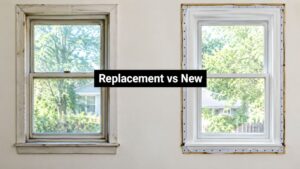
The installer removes the existing unit, preserves the rough opening, and fits a new window into that space. The work can still involve flashing, insulation, trim, and weather sealing, but it doesn't necessarily change the structural geometry.
This is the situation generally described as a like-for-like replacement. You should still confirm the window's energy performance and ask who is responsible for verifying whether a permit applies.
Opening alteration
The homeowner wants a larger picture window, a shorter sill, a new basement bedroom window, or a new patio-door opening. The crew must cut or reframe the wall, install new structural support where required, and verify that the finished opening meets applicable safety and energy requirements.
That work belongs in the permit conversation before demolition begins. A professional egress window installation in Boise should start with measurements, wall conditions, drainage, and the intended emergency escape function, not with a product order alone.
A larger window isn't just a larger window when the wall opening changes. It becomes a framing and code project.
Don't let a contractor describe a resized opening as a minor adjustment. The city specifically treats alteration of the opening as structural work under its residential application, which is why drawings, plan review, and inspections may be necessary.
Scenarios That Typically Do Not Require a Permit
A Boise replacement can usually stay outside the building-permit process when the new window uses the same rough opening and keeps the existing function. Idaho's exemption guidance treats this as a like-for-like replacement, provided the work does not alter the wall or create a new use for the opening.
As cited earlier, Idaho guidance identifies the IECC as the locally adopted energy code in most jurisdictions. The replacement still needs to meet Boise's applicable energy requirements, and the installer should confirm the project scope before ordering the window.
A clear Boise example is a vinyl double-hung replacement installed in an existing rough opening measuring about 36 by 60 inches, with the opening left unchanged. Replacing a casement with another casement of the same opening size or fitting a picture window into its existing frame can follow the same path.
Questions to answer before you proceed
Ask the installer to document these points:
- Opening: Will the rough opening remain the same size and location?
- Function: Will the replacement serve the same purpose as the current window?
- Energy code: Does the proposed unit meet Boise's applicable energy requirements?
- Responsibility: Who will verify permit status with the City of Boise?
- Scope: Does the work include only replacement, or also reframing, siding changes, wall repairs, or structural work?
These answers distinguish a genuine replacement from a project that only appears similar on an estimate. Two windows can look alike from the exterior while requiring different framing or sill work. Require the installer to identify those conditions before removal begins.
Keep the exemption narrow. Replacing the unit does not authorize the crew to widen the opening, lower the sill, add another window, convert a window to a door, or create a basement-bedroom egress opening. Each change can place the work in a category that requires city review.
The practical recommendation is simple: confirm the exact scope before the window is ordered. Get a written description stating that the existing rough opening will remain unchanged, the window's function will stay the same, and no structural work is included. Keep that document with the estimate and installation records so the scope is clear if a question arises during the project.
Step-by-Step Guide to Verify and Apply for Permits
Before ordering the windows, make the scope precise. Compare the existing opening with the proposed unit and confirm whether installation involves cutting, reframing, or changes to the surrounding wall. The permit decision depends on those details, not on the product name or glass package.
Document the project before you apply
Ask the installer for a written scope that identifies the property address, window count and locations, and whether any opening will change. State whether the work includes only replacement or also wall repair, siding changes, reframing, or structural work. If a basement sleeping room is involved, identify that clearly.
Use the City of Boise homeowner guide referenced earlier to access the online application for windows or siding. Attach the scope description and any drawings, measurements, or product information the city requests. Save the submitted application, attachments, and confirmation with the estimate and installation records.
A short, specific description gives Boise reviewers the facts they need. It also creates a record of what you asked the city to approve.
Ask Boise the right question
Do not send a vague request about window permits. Write:
“I'm replacing windows at this address. The existing opening will [remain unchanged / be resized / be newly created]. The project includes [replacement only / reframing or other wall work]. Does this scope require a building permit, plan review, or inspection?”
Include the number of windows and note whether any room is a basement sleeping room. If the city requests clarification, reply with the same written scope and keep the response in your project file. A saved email or portal message is more useful than a verbal answer if the work is later questioned.
Confirm responsibility before signing
Your estimate should state who verifies permit status, who submits the application, and who schedules required inspections. Do not accept “the homeowner handles it” without a clear explanation of what that includes.
If the installer discovers rot, damaged framing, or a different opening condition after removal, stop before expanding the work. Ask whether the repair changes the submitted scope and whether Boise must review it. Have the installer document the condition and any city direction before proceeding.
A local, factory-trained installer can identify these issues during measurement, before the windows are ordered and the old units are removed. That early check keeps the application, contract, and actual work aligned.
Why Hiring a Local Installer Makes Permitting Stress-Free
Permit questions become easier when the person measuring your windows understands the difference between a unit replacement and an opening alteration. A local installer can inspect the wall, identify the rough-opening condition, compare the proposed product with the existing space, and tell you when the scope needs city review.
For a Boise homeowner, ask for four concrete answers before work starts:
- Will the rough opening change? Get a direct yes or no.
- Does the window meet the applicable energy requirements? Ask for the product documentation.
- Does the project involve egress? This matters especially in basement sleeping rooms.
- Who handles the permit and inspection process? Put that responsibility in the contract.
A qualified team should also explain what happens if hidden damage appears after removal. Discovering rot or framing problems can change the scope, so the contractor should pause and clarify whether the repair affects the opening or requires a revised permit approach.
Choose documentation over promises
Your estimate should identify the window type, opening dimensions, installation scope, permit responsibility, and cleanup. It should also make clear whether the installer is performing only a same-opening replacement or any structural alteration.
C & C Windows & Doors offers free in-home consultations, custom measurements, itemized replacement quotes, and debris-free installation for Boise and Treasure Valley homeowners. Its licensed window installer guidance emphasizes asking who pulls permits in Boise and whether that responsibility is included in the written bid.
The safest sequence is simple: confirm the address and scope, verify whether the rough opening changes, check egress requirements if applicable, contact Boise when the answer isn't clear, and document who handles any required permit. If the work is a same-opening replacement, confirm the exemption rather than assuming it. If the opening changes, don't let installation begin until the permit path is clear.
C & C Windows & Doors provides free in-home consultations, custom measurements, itemized quotes, and debris-free replacement window and patio-door installation for Boise and Treasure Valley homes. Visit C & C Windows & Doors to discuss your project, confirm whether the opening changes, and get a clear installation plan before ordering.