You open the utility bill, look at the last month, and wonder how the house can feel drafty in winter, stuffy in July, and still cost that much to run. That's a common Treasure Valley problem. Boise, Meridian, Eagle, Nampa, and the surrounding areas put homes through hot summers, cold winters, dry air, and plenty of temperature swings in between.
Most advice on how to make your home more energy efficient is too generic to be useful. It tells you to “add insulation” or “replace windows” without helping you decide what to do first, what's worth paying for, and what can wait. In Idaho, order matters. Air leaks, insulation gaps, aging HVAC equipment, and underperforming windows all interact. If you fix the wrong thing first, you can spend a lot and still feel uncomfortable.
The better approach is to treat efficiency as a prioritized upgrade path. Start with the low-cost fixes that stop obvious waste. Then tighten the thermal envelope. Then decide whether your HVAC system is fighting a losing battle. After that, evaluate whether window replacement is the upgrade that changes comfort, energy use, and resale appeal in one shot.
Table of Contents
- Your Guide to a More Energy-Efficient Home in the Treasure Valley
- Quick Energy Wins You Can Tackle This Weekend
- Mastering Your Home's Thermal Envelope
- Tuning or Upgrading Your HVAC System
- Why Energy-Efficient Windows Are a Smart Investment
- Your Prioritized Action Plan and Available Incentives
Your Guide to a More Energy-Efficient Home in the Treasure Valley
A more efficient home isn't just about a lower bill. It's about getting rid of the cold room over the garage, the hot back bedroom that never catches up in August, and the constant cycling of equipment that seems to run all day. In Treasure Valley homes, comfort problems usually show up before owners realize they have an efficiency problem.
The first step is knowing what kind of house you have. Older homes often leak air around windows, doors, attic penetrations, and rim joists. Newer homes can still underperform if insulation was installed poorly, ductwork is unbalanced, or large glass areas face the wrong direction. That's why a blanket checklist doesn't help much.
A practical plan starts with what wastes energy fastest and costs the least to address.
- Start with leaks and controls: Drafts, thermostat settings, and lighting changes are fast wins.
- Move to insulation and enclosure issues: Attics, crawl spaces, and wall weak spots affect every season.
- Evaluate heating and cooling equipment next: A good system can't fully compensate for a leaky shell.
- Upgrade windows when performance is the limiting factor: In many Idaho homes, windows are where comfort and efficiency improvements become noticeable every day.
Local rule of thumb: If a room is uncomfortable even when the HVAC system is running normally, the issue usually isn't just the equipment. It's often the envelope.
Homeowners who want a more targeted look at window-related performance issues can start with a Treasure Valley window company familiar with local home conditions. The point isn't to jump straight to replacement. It's to diagnose the house in the right order so each improvement builds on the last one.
Quick Energy Wins You Can Tackle This Weekend
Small fixes matter because they stop waste at the edges of the home, where conditioned air slips out and outdoor air sneaks in. If you want to know how to make your home more energy efficient without starting a major remodel, begin here.
Find and seal the obvious leaks
According to the U.S. Department of Energy, sealing drafts in your home can result in annual energy savings of 5–30%, which makes air sealing one of the most cost-effective energy-saving measures you can undertake, as summarized in This Old House's energy efficiency statistics roundup.
Use a simple leak audit:
- Check window and door perimeters: Run your hand along trim and sash edges on a windy day.
- Inspect under exterior doors: If you see light, you need a door sweep or threshold adjustment.
- Look behind outlet and switch covers on exterior walls: Those often leak more than people expect.
- Check attic access panels: A poorly sealed hatch can dump heat into the attic all winter.
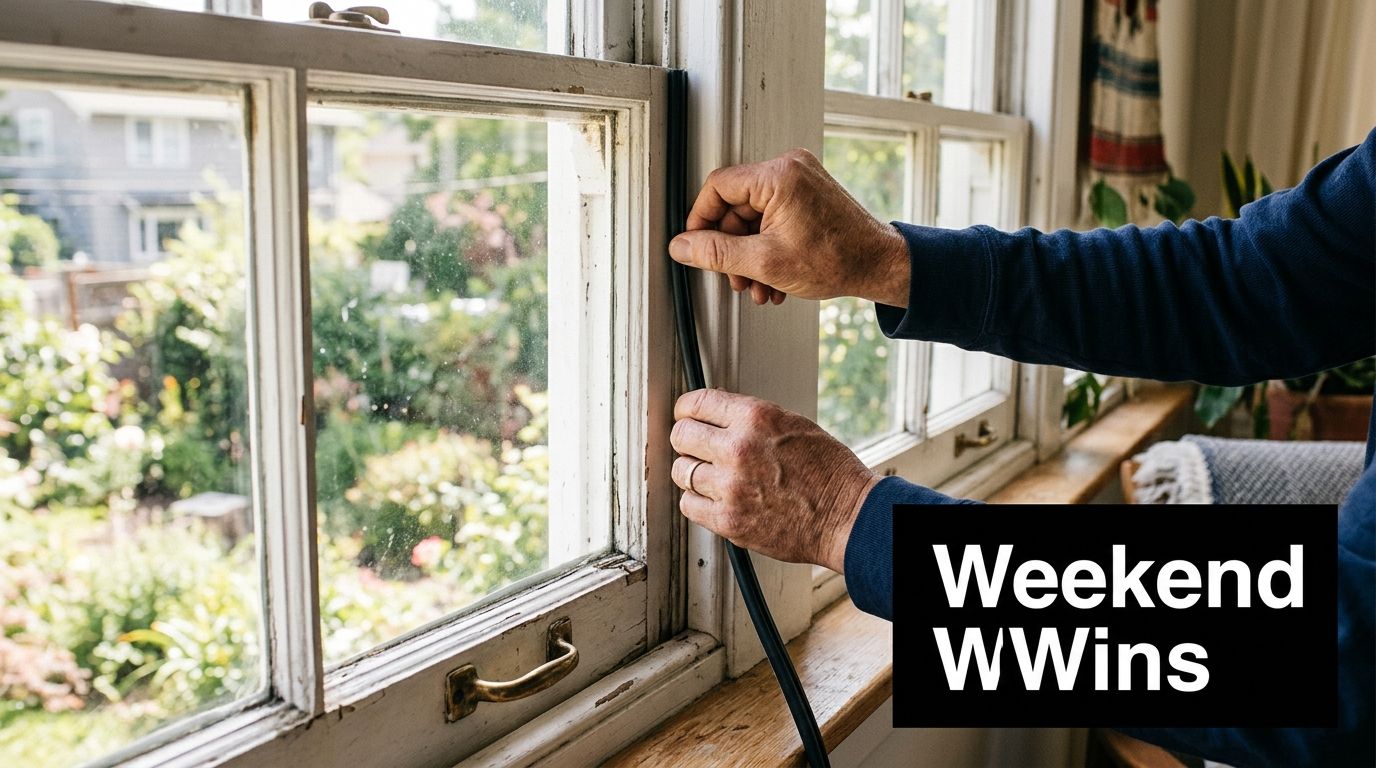
Use paintable caulk for fixed gaps and weatherstripping for moving parts like operable windows and doors. Don't caulk a window shut where the sash needs to move. That sounds obvious, but it happens.
Make low-cost swaps that add up
Weekend efficiency work doesn't need to be complicated.
- Swap high-use bulbs to LED: Focus on kitchens, living rooms, exterior fixtures, and any light that stays on for hours.
- Install outlet gaskets on exterior walls: They're cheap, quick, and worthwhile in older homes.
- Add or replace door sweeps: The bottom of the door is one of the easiest places for outside air to enter.
- Use rope caulk or seasonal seal products carefully: They can help on problem windows, but they're a temporary fix, not a substitute for proper repair.
A house loses comfort in small places first. Homeowners usually notice the bill later.
Program the thermostat instead of chasing it
A lot of people still use the thermostat manually, bumping it up and down all day. That usually creates more runtime, not less. Set a consistent schedule that matches when the house is occupied, then leave it alone long enough to judge the result.
If your current thermostat is outdated, a programmable or smart model is often worth it because it removes guesswork. Combined with sealing and weatherstripping, better control can make the house feel steadier instead of swinging from too hot to too cold.
Mastering Your Home's Thermal Envelope
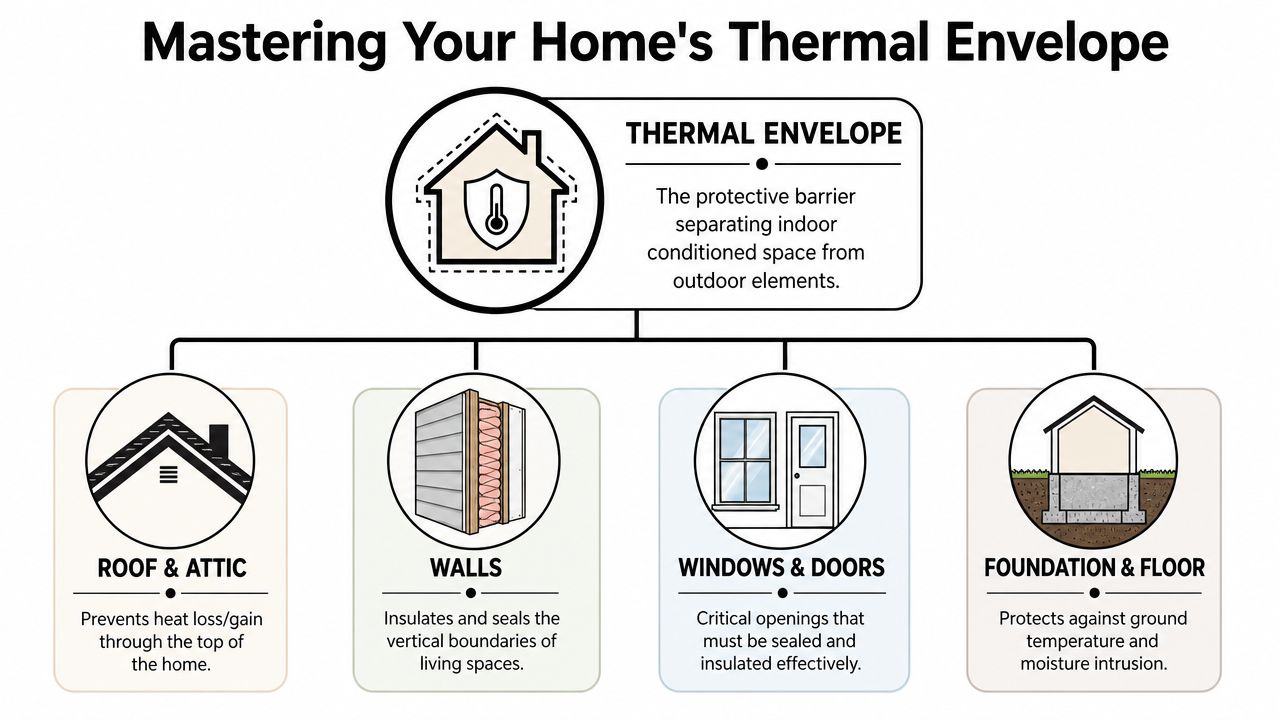
The thermal envelope is the barrier between your conditioned living space and the outdoors. When that barrier is weak, you pay to heat and cool air that doesn't stay where it should.
Think of the house as one system
A house doesn't perform as separate parts. The attic, walls, windows, doors, floor system, and ventilation all affect one another. If the attic is underinsulated, heat escapes upward in winter. If the crawl space leaks air, cold surfaces make the floors uncomfortable. If windows and doors are weak, perimeter rooms become the first places you feel it.
In Boise, adding new insulation is a foundational step to building a more comfortable home. Measures like weather stripping, caulking, and upgrading insulation directly increase energy efficiency by minimizing heat loss in winter and heat gain in summer, which is especially important in Treasure Valley's climate, as noted by Build Idaho's guide to Idaho energy-efficient homes.
Where Treasure Valley homes usually fall short
Attics are the first place I'd check in many local homes. Heat rises, and attic deficiencies show up fast in both January and August. Recessed lights, plumbing penetrations, bath fan housings, and attic hatches are frequent trouble spots. If those are open to the attic, insulation alone won't solve the problem. Air sealing needs to happen first.
Walls are harder to assess from inside the house, but symptoms are clear. If one room is always behind the rest, or if exterior walls feel noticeably cold in winter afternoons, the wall assembly may be underperforming.
Then there's the floor and foundation area.
- Crawl spaces: Poor sealing and insulation can make floors cold and pull outside air into the house.
- Basement rim joists: These are common leakage points and often overlooked.
- Garage-adjacent rooms: Bonus rooms over garages often expose both insulation and air sealing problems at once.
What to watch for: If insulation is added without addressing moisture or ventilation, homeowners can trade one problem for another. Comfort improves only when the assembly is allowed to dry and vent correctly.
R-values matter, but they're only useful in context. High insulation values won't perform the way they should if installation is sloppy, gaps are left open, or air pathways remain active. The same is true for windows. If you're seeing fogging, persistent drafts, or frame movement, that's often a sign the opening itself needs closer evaluation. A practical checklist is this guide on signs your windows need replacing in Idaho.
Tuning or Upgrading Your HVAC System
Your HVAC system is the engine of the home. If it's dirty, poorly controlled, or outdated, efficiency drops fast. But replacing equipment before fixing obvious envelope issues can lock in unnecessary operating costs.
Maintenance first
Start with the basics before you price new equipment. A neglected system often performs worse than homeowners realize.
- Replace filters on schedule: A clogged filter restricts airflow and makes the system work harder.
- Keep supply and return registers clear: Furniture, rugs, and drapes can choke off airflow.
- Clean around the outdoor unit: Debris, overgrown landscaping, and dust reduce heat transfer.
- Pay attention to runtime patterns: Short cycling, uneven temperatures, or nonstop operation usually signal a problem worth checking.
These aren't glamorous fixes, but they matter. A clean, unobstructed system gives you a more honest read on whether the equipment is undersized, aging out, or overdue for maintenance.
When controls make a real difference
A better thermostat won't fix a bad furnace or leaky ductwork, but it can stop wasted runtime. Smart scheduling helps a lot in homes where occupants leave during the day, sleep cooler at night, or forget to adjust settings before travel.
The key is consistency. If the thermostat gets changed every few hours, you're not letting the system operate as designed. Good controls help most when the house is already reasonably well sealed.
Repair or replace
In Boise, upgrading to an energy-efficient HVAC system can slash utility bills by 10% to 40%. Homeowners can also receive a federal tax credit of up to $600 for a new air conditioner or up to $2,000 for a qualifying heat pump with a SEER2 rating of 17 or higher, which is above Idaho's minimum requirement of 13.4 SEER2, according to this Boise HVAC efficiency and tax credit guide.
That matters because Treasure Valley homes see both heating and cooling demands. An old system may still run, but “still running” isn't the same as “running efficiently.”
Use this decision filter:
| Situation | Better move |
|---|---|
| System runs well, house has obvious leaks, insulation is weak | Fix the envelope first |
| Rooms are uneven, filters are clean, runtime is excessive | Check airflow, duct issues, and controls |
| Equipment is aging, repair costs are stacking up, efficiency is poor | Price replacement options |
| You want lower operating costs and plan to stay in the home | Consider a high-efficiency upgrade and available credits |
Replacing HVAC equipment before addressing major leaks is like putting a stronger engine in a truck with the windows down all winter.
Why Energy-Efficient Windows Are a Smart Investment
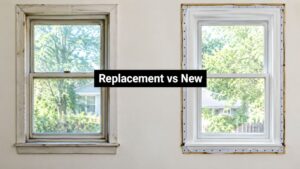
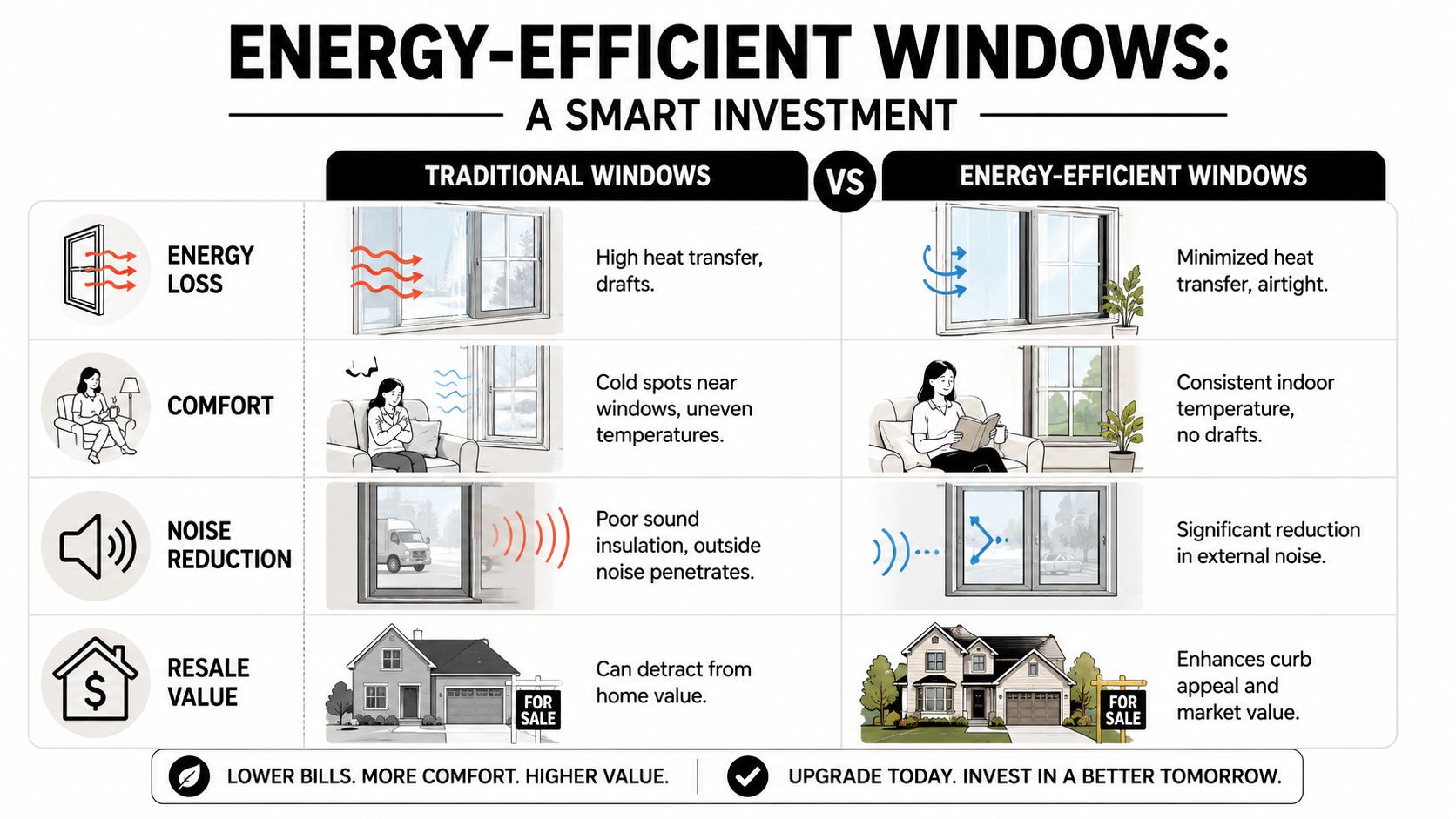
In Treasure Valley homes, window replacement makes sense when the discomfort is concentrated at the glass. You feel it in January when the chair by the living room window stays cold, and again in August when the west-facing room heats up long before dinner. That is different from a house with broad air leakage or weak attic insulation. In those homes, windows may matter, but they are not always first in line.
Identifying When Windows Are the Limiting Factor
Older Boise-area homes often show the same pattern. The HVAC system runs, the attic has seen some improvement, but certain rooms still feel uncomfortable near the openings. Single-pane glass, failed seals, loose tracks, worn weatherstripping, and frames that no longer close square can all drive that problem.
Glass is only part of the story. Frame strength, air sealing, drainage, and installation quality have just as much to do with long-term performance. I have seen expensive glass packages underperform because the opening was out of square or the installer treated flashing and sealing like an afterthought.
That trade-off matters when you compare products. National brands and big-box lines can be a fit for straightforward jobs, but they are often built around broad standardization. Treasure Valley homes need a little more judgment than that. Strong summer sun, cold winter mornings, and big temperature swings expose weak frames, poor seals, and mediocre glass packages fast. A local installer such as C & C Windows & Doors may specify Idaho-appropriate options like ClimaTech Low-E coatings, Argon gas fills, composite-reinforced sashes, and triple-pane glass where the exposure justifies the added cost.
The Function of Modern Window Technology
Low-E coatings do the heavy lifting on glass performance. Low-emissivity, or Low-E, coatings on windows can reduce energy loss by as much as 30–50%. In the North-Central climate zone, which includes Idaho, upgrading from single-pane to ENERGY STAR certified windows can save a homeowner $493 per year. Those figures appear in the verified data provided for this article.
The practical result is easier to understand than the chemistry. In summer, the right glazing cuts unwanted solar heat before it turns that room into an oven. In winter, it slows heat loss and improves comfort near the glass. Homeowners usually notice the difference in steadier room temperatures and fewer cold spots.
Other parts of the window matter too:
- Argon gas fills: Improve insulating performance between panes.
- Multi-pane construction: Often improves comfort and outside noise control.
- Frame design: Helps reduce air leakage and limits sagging over time.
- Proper sill drainage: Protects the rough opening and supports durability.
Good windows improve comfort first. Lower heating and cooling waste follows from that.
Why Placement and Glazing Balance Matter in Idaho
Generic window advice misses this point all the time. Window ROI depends heavily on orientation.
For a sun-tempered house, optimal glazing should equal 5% of conditioned square footage, according to InterNACHI's guidance on optimum building orientation. In Idaho, that matters because each side of the house behaves differently across the year. North-facing glass tends to lose heat in winter without giving much back. West-facing glass can create punishing late-day summer heat gain. South-facing glass can help if the glazing and shading are chosen well.
Here is the practical read:
- South-facing glass can support winter comfort if the package is balanced well.
- North-facing glass needs careful product selection because it usually adds heat loss.
- West-facing glass often deserves the highest scrutiny in Treasure Valley summers.
- East-west lot orientation changes how much direct sun your home takes on through the day.
Homeowners often get confused about return on investment. Windows are not always the first upgrade. But in a house with decent insulation, a serviceable HVAC system, and discomfort centered around the openings, they can be the best money you spend because they improve comfort, cut drafts, reduce solar gain, and address a problem other upgrades will not fix.
Tax credits can also change the math. If you are comparing timing, product tiers, or whether triple-pane is worth pricing, this guide to the window replacement tax credit in Idaho for 2026 helps clarify what qualifies and how to think about the payoff.
Your Prioritized Action Plan and Available Incentives
Most homeowners don't need a giant renovation plan. They need an order of operations that makes sense for budget, comfort, and payoff. That's how to make your home more energy efficient without wasting money on upgrades that don't solve the actual problem.
A practical order of operations
Use this sequence in most Treasure Valley homes:
- Seal the leaks you can find now: Doors, windows, attic access points, and exterior wall penetrations.
- Improve insulation where the house is weakest: Usually attic first, then crawl space or other obvious problem areas.
- Tune the HVAC system and controls: Maintenance before replacement.
- Replace windows when they're underperforming or when glass area is driving discomfort: Especially if you're dealing with single-pane units, failed seals, or persistent perimeter drafts.
- Layer improvements instead of chasing one silver bullet: Houses rarely have only one issue.
Some owners want to skip straight to the visible upgrade. That's understandable. But the homes that perform best usually get tighter, better insulated, and better controlled before or alongside larger equipment and window investments.
Home energy upgrade priority matrix
| Upgrade | Estimated Cost | Potential Annual Savings | DIY or Pro? |
|---|---|---|---|
| Air sealing with caulk, weatherstripping, outlet gaskets | Low | Qualitative improvement, often noticeable on comfort and waste reduction | DIY |
| LED lighting swap in high-use areas | Low | Qualitative improvement, best in frequently used rooms | DIY |
| Attic insulation and targeted air sealing | Moderate to high | Qualitative improvement, often high impact in Boise-area homes | Pro |
| Thermostat upgrade | Low to moderate | Qualitative improvement, strongest when paired with a well-tuned system | DIY or Pro |
| HVAC tune-up or replacement | Moderate to high | Can be substantial depending on equipment condition | Pro |
| Energy-efficient window replacement | High | Strong comfort and efficiency value when windows are the weak link | Pro |
How to use the window tax credit correctly
Homeowners can claim a federal tax credit of 30% of the cost, up to $600, for exterior windows and skylights that meet ENERGY STAR Most Efficient certification requirements, and that credit is available for improvements made through December 31, 2025, according to the Energy Efficient Home Improvement Credit page from the IRS.
A few practical points make this easier:
- Check product eligibility before you sign: Not every replacement window qualifies.
- Keep documentation organized: Save invoices, product information, and manufacturer certification details.
- Match the tax year to the installation date: Eligibility follows when the improvement is installed.
- Look for local rebate opportunities separately: Utility and regional programs can change, so verify current availability before budgeting around them.
If windows are on your short list, a local explanation of requirements can help you avoid buying the wrong package. This overview of the Idaho window replacement tax credit for 2026 is a useful starting point for understanding how homeowners are planning around current incentive timelines.
The right efficiency plan should leave you with a home that feels more even, costs less to run, and makes sense for how long you plan to stay in it. Start with the waste you can stop quickly. Then invest where Treasure Valley homes usually need the most help.
If your home has cold spots near the glass, rising utility bills, or windows that never seem to seal quite right, it may be time for a professional assessment. C & C Windows & Doors works with Treasure Valley homeowners on custom energy-efficient replacement windows and patio doors suited to Idaho's climate, with in-home consultations, custom measurements, and installation focused on long-term performance.