
A bedroom can feel cold even while the furnace is running, and a west-facing living room can become uncomfortable before dinner on a summer afternoon. Those problems often point to aging glass, leaky frames, or installation gaps rather than a furnace that needs replacing. If you're comparing window replacement companies in Boise, Idaho, the right decision starts with performance numbers, not a showroom slogan.
Boise homeowners also face a practical fork in the road. A full replacement may be appropriate, but a low-E storm panel or a carefully specified double-pane unit can sometimes deliver better value than automatically buying triple-pane glass. The sections below focus on Boise-area climate requirements, installation quality, project costs, contractor screening, and the questions worth asking before you sign.
Table of Contents
- Why Boise Homeowners Are Replacing Windows Right Now
- Boise Climate and Energy Codes Explained
- Glass Packages That Actually Matter in the Treasure Valley
- Window and Patio Door Styles for Boise Homes
- What a Professional Installation Looks Like Day Of
- Costs, Rebates, and Financing for Treasure Valley Projects
- Red Flags and Vetting Questions for Boise Contractors
- Your Boise Area Replacement Checklist and Next Steps
Why Boise Homeowners Are Replacing Windows Right Now
A January morning tells the story quickly. The thermostat starts the heating cycle, the hallway warms up, but the bedroom near an exterior wall still feels chilly. Put your hand near an old aluminum frame and you may find the core issue, cold glass, air leakage, and a frame that transfers outdoor temperatures directly into the room.
The summer version looks different. Afternoon sun through an older west-facing window turns a couch into an uncomfortable seat, while a drafty patio door lets conditioned air escape. Homeowners also notice peeling trim, difficult operation, condensation, fading furnishings, and utility bills that feel harder to manage.
Three pressures are converging
Many Treasure Valley homes still carry original builder-grade windows from earlier construction periods. Those units may have worn weatherstripping, failed seals, thin glazing, or frames that no longer close tightly. A window that once seemed adequate can become the weakest part of a remodeled room.
Boise's heating-dominant climate makes winter heat retention the first performance question. Summer solar exposure still matters, particularly on south- and west-facing walls, but a buyer shouldn't accept a window package designed only around cooling performance.
Contractor's rule: Start with the room that feels uncomfortable, then inspect the window's glass, frame, operating hardware, and surrounding wall. Don't let a salesperson diagnose the entire house from the driveway.
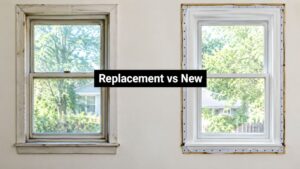
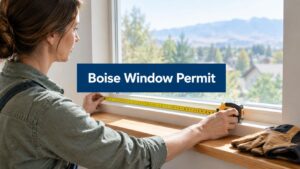
Permitting is another reason replacement has become a formal home-improvement category. The City of Boise residential construction guidance distinguishes like-for-like replacements from projects that add windows, enlarge or reduce openings, or convert a window into a door. Structural changes require residential construction review and permitting, so the scope needs to be clear before work begins.
That distinction matters when you're comparing estimates. A replacement inside the existing opening is a different project from removing wall material, rebuilding a rough opening, repairing stucco, or installing a new patio door where a window once stood. Get those differences itemized instead of accepting one vague “window replacement” line.
Boise Climate and Energy Codes Explained
A Boise homeowner comparing quotes should begin with two numbers, U-factor and SHGC, not brand names. Boise falls in ENERGY STAR's Northern climate zone for windows, doors, and skylights, as shown by ENERGY STAR's climate-zone search. Local guidance places Boise and the Treasure Valley in IECC Climate Zone 5B, so winter heat retention leads the decision, while summer sun still matters.
U-factor measures heat transfer through the complete window assembly. Lower is better because less indoor heat escapes through the glass and frame.
SHGC, or solar heat gain coefficient, measures how much solar energy enters. Lower values reduce summer heat, while a moderate value can admit useful winter sunlight. South- and west-facing windows deserve closer attention because their exposure can raise indoor temperatures.
Put the numbers in the quote
For southern Idaho's North/Central context, the cited ENERGY STAR guidance identifies replacement-window targets of 0.30 or lower for U-factor and 0.40 or lower for SHGC. Boise-focused guidance discusses a 0.25 to 0.40 SHGC range for Climate Zone 5B, depending on orientation and exposure. The colder northern Idaho zone uses a stricter 0.27 or lower U-factor target. Review the Idaho climate performance guidance and Boise and Treasure Valley window specification guidance when comparing proposals.
| 規格或指標 | ENERGY STAR Northern Zone | Boise/Treasure Valley 實際考量 |
|---|---|---|
| U-factor | 選擇較低數值,以提升冬季保溫 | 以 0.30 或更低為目標,較冷或迎風位置可考慮 0.27 或更低 |
| SHGC | 按氣候與朝向選擇合適數值 | 接近 0.40 或更低,強烈南向與西向日照需調整 |
| 主要問題 | 減少熱傳遞 | 保留冬季熱量,同時避免夏季過熱 |
| 必須核對 | 產品評級與標籤 | NFRC 標籤、施工範圍與朝向建議 |
| 工程師或業主 | 應要求承包商在報價中列出整窗 NFRC 數值,而不是只寫「節能窗」 |
|---|
玻璃品牌或行銷名稱不能取代評級。報價上的 U-factor 與 SHGC 必須和實際產品標籤一致,並且符合房間朝向與使用需求。
Idaho 的替換窗規範也涉及 U-factor、SHGC 與空氣滲透率。所引用的規範要求窗戶、天窗與滑動玻璃門的空氣滲透率不高於 0.3 cfm per square foot。承包商若籠統宣稱「符合規範」,可用Idaho residential energy-code reference核對相關要求。
閱讀報價時,可參考這份Idaho energy-efficient windows guide整理產品差異。把決策標準定在實際 U-factor 和 SHGC,而不是「高階玻璃」這類沒有數據的說法。
Glass Packages That Actually Matter in the Treasure Valley
A good double-pane window can be the sensible choice for many Boise homes. Pairing insulated glass with a quality low-E coating and argon fill can move a product toward the Northern-zone performance targets, but the salesperson should show the actual NFRC rating rather than rely on the words “energy efficient.”
Triple-pane glass adds another layer of insulation and can improve comfort near cold exposures, large openings, and rooms where noise matters. It also adds weight, cost, and hardware demands. Pane count is not a performance rating, so compare the U-factor before comparing the number of panes.
Double-pane versus triple-pane
Avista's Idaho rebate structure is tied to installed U-factor tiers, which means a well-specified double-pane product can qualify based on measured performance just as a more expensive product can. The Avista Idaho single-family window rebate information should be checked before ordering because incentive eligibility depends on the current program requirements and documentation.
| Feature | Quality double-pane | Triple-pane |
|---|---|---|
| Insulation strategy | Low-E coating, argon fill, warm-edge construction, and a properly sealed frame | Additional glass layer and insulating cavity |
| Best fit | Most standard openings where value and performance need to balance | Large glass areas, exposed rooms, comfort-sensitive spaces, or strong noise concerns |
| Rebate logic | U-factor determines eligibility, not the marketing label | Same principle, verify the tier rather than assuming a larger incentive |
| Main caution | A poor installation can undermine a strong unit | Added cost and weight may not produce the best payback everywhere |
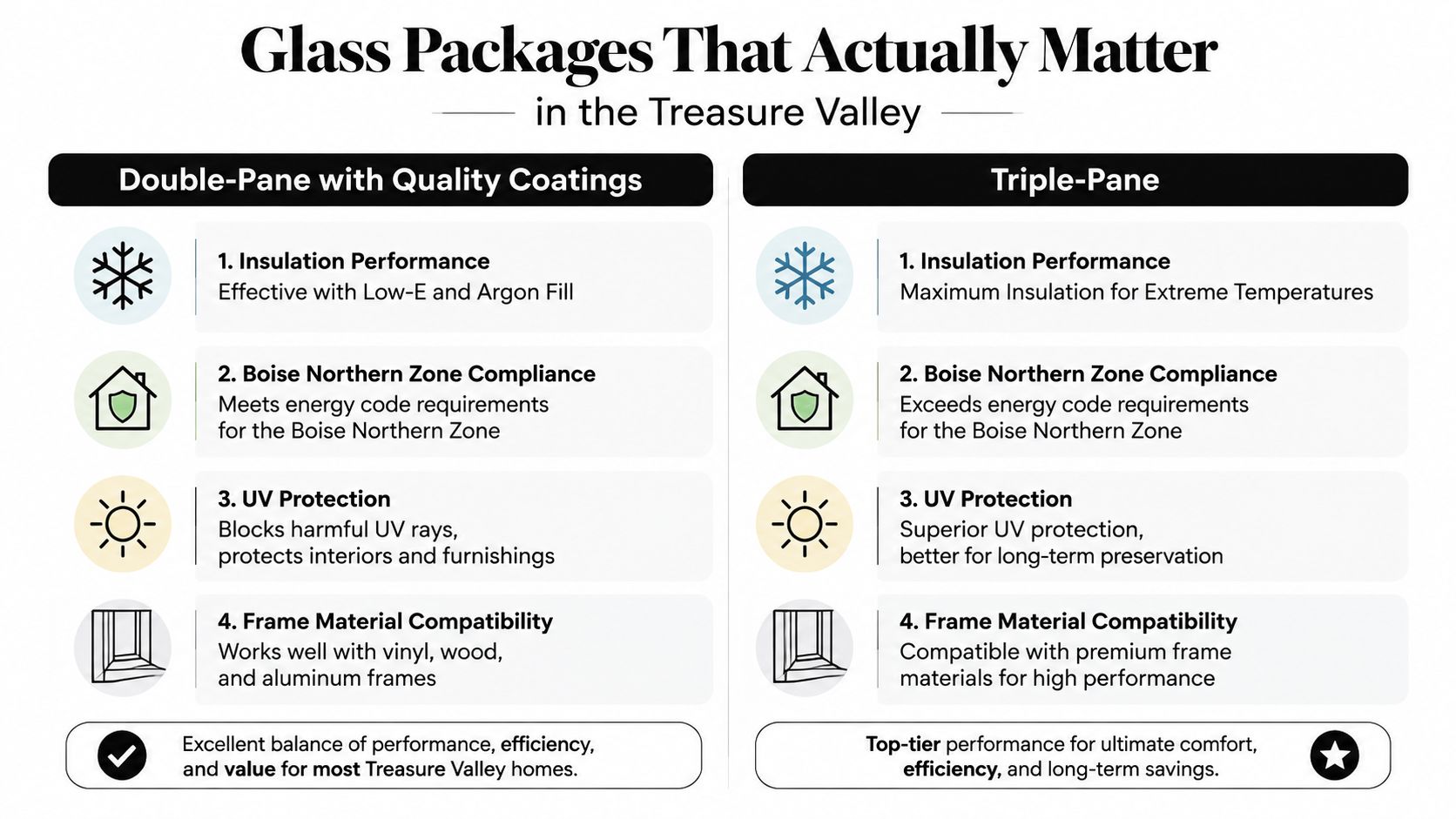
Low-E coating controls radiant heat transfer and helps limit ultraviolet exposure. Argon fill improves the insulating cavity, but neither feature excuses a leaky frame or careless installation. A premium glass package installed with gaps around the rough opening is an expensive way to preserve an air leak.
Frames deserve equal attention
Vinyl usually offers straightforward maintenance and good thermal performance. Fiberglass can provide a stable frame platform, while clad wood gives homeowners an interior wood finish with an exterior layer designed for weather exposure. The right choice depends on appearance, opening size, maintenance tolerance, expansion behavior, and warranty support.
Ask for the complete product specification, including the frame, glazing, spacer, hardware, and installation method. Don't pay a triple-pane premium until the contractor shows how the expected comfort improvement, rebate tier, and project scope justify it.
Window and Patio Door Styles for Boise Homes
The best configuration depends on how the room works. A North Boise foothills home exposed to wind may benefit from casement windows because the sash closes against the weatherstripping. A double-hung window offers familiar operation and useful ventilation, while a sliding window can suit a Meridian tract home where horizontal operation and egress planning matter.
Awning windows work well above counters, in basements, or in kitchens where ventilation is useful even during light weather. Picture windows provide daylight and views but don't ventilate, so pair them with operable units when airflow matters.
Match the opening to the house
A large patio opening changes the decision. A two-panel slider preserves a familiar track operation, while a three-panel design can create a broader connection to a backyard. A hinged French door offers a more traditional feel and a defined opening, while a multi-slide system prioritizes wide indoor-outdoor access and requires careful structural coordination.
Frame selection matters in direct Boise sun and dry seasonal conditions. Vinyl, fiberglass, and clad wood can all be appropriate, but the installer should explain how the selected frame handles thermal movement, drainage, and the existing exterior finish.
Practical rule: Don't choose a door from a catalog photograph. Stand in the opening, identify the traffic path, check furniture clearance, and decide whether ventilation, security, daylight, or a wide opening matters most.
Stucco exteriors require particular care. A replacement unit with a nailing-fin design may simplify integration, but cutting and patching still need to be included in the written scope. Older Bench homes may also need interior stop, casing, or sill repairs after removal.
Tempered glass is required in certain hazardous locations, including areas near tubs and stairs. A professional estimator should identify those conditions during the in-home visit rather than discover them after demolition.
C & C Windows & Doors installs double-hung, casement, picture, and sliding windows, along with sliding and bi-fold patio doors, in Boise, Meridian, Eagle, Nampa, and Star. Compare those configurations against the opening, the wall assembly, and the way your family uses the room.
What a Professional Installation Looks Like Day Of
A clean installation begins before the crew removes a sash. The team should confirm the work areas, protect floors and furniture, and establish a path from the driveway to the room. Drop cloths and interior protection aren't decoration. They reduce dust, protect finishes, and show that the crew has planned the job.
The removal sequence typically includes the interior stop, sash, frame, sill, and damaged surrounding material. If the crew finds rotted sheathing, water damage, or an opening that isn't suitable for the new unit, the installer should document the condition and explain the repair before covering it.
The opening determines the result
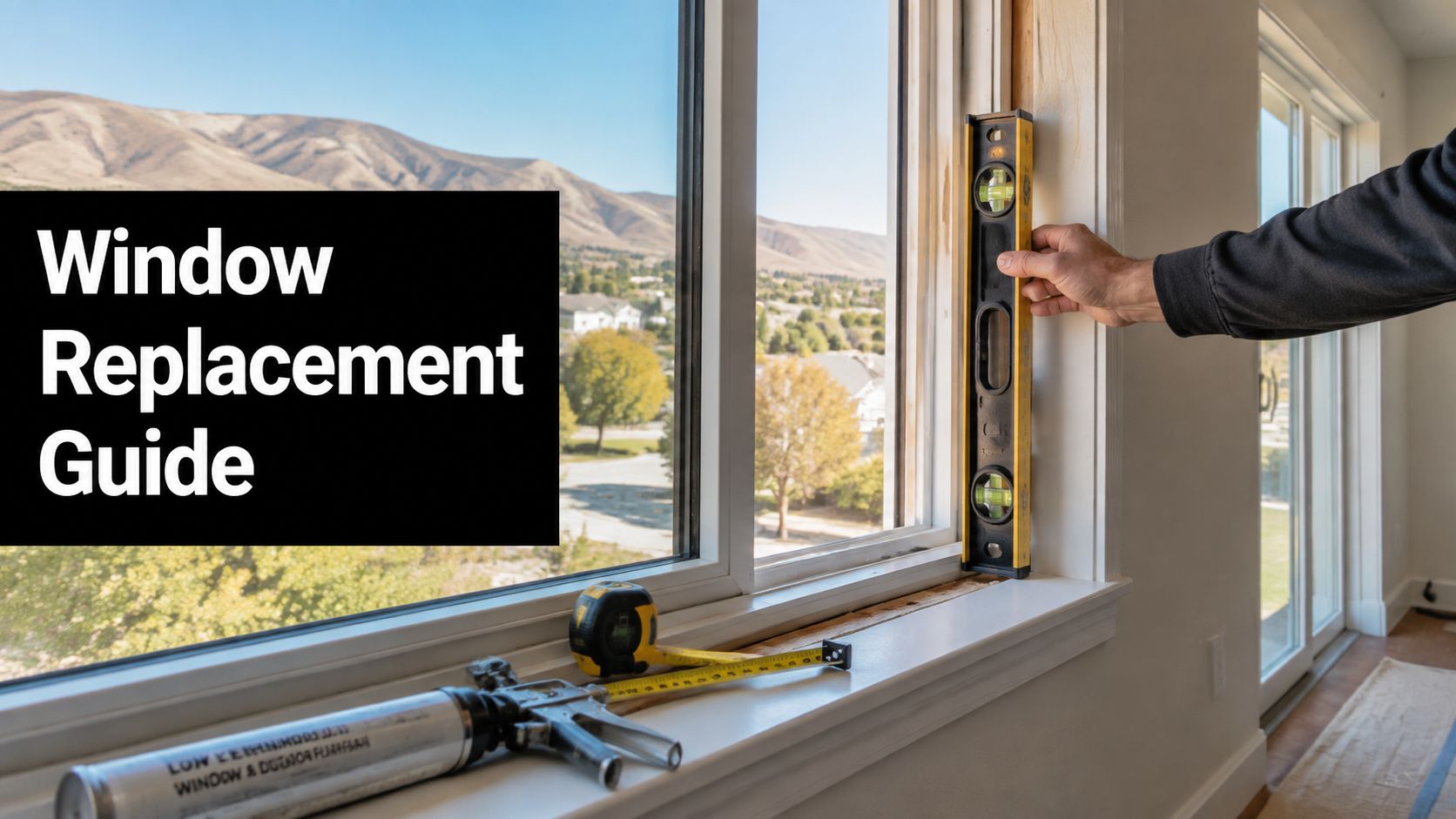
Installers should test the rough opening for level, plumb, and square before setting the replacement. They then use shims and the manufacturer's fastener pattern to hold the unit correctly without distorting the frame.
The sealing sequence matters just as much as the glass. The U.S. Department of Energy retrofit installation guide recommends sealing the rough-opening gap before trim with low-pressure polyurethane foam made for windows and doors. That foam helps control air leakage at the frame-to-wall interface.
A sound installation also addresses water management:
- Bottom protection: Use a sill pan or compatible self-adhesive flashing tape where the assembly requires it.
- Frame gap: Fill the space between the frame and opening with low-expansion window-and-door foam.
- Exterior seal: Apply sealant compatible with the existing stucco, siding, or masonry.
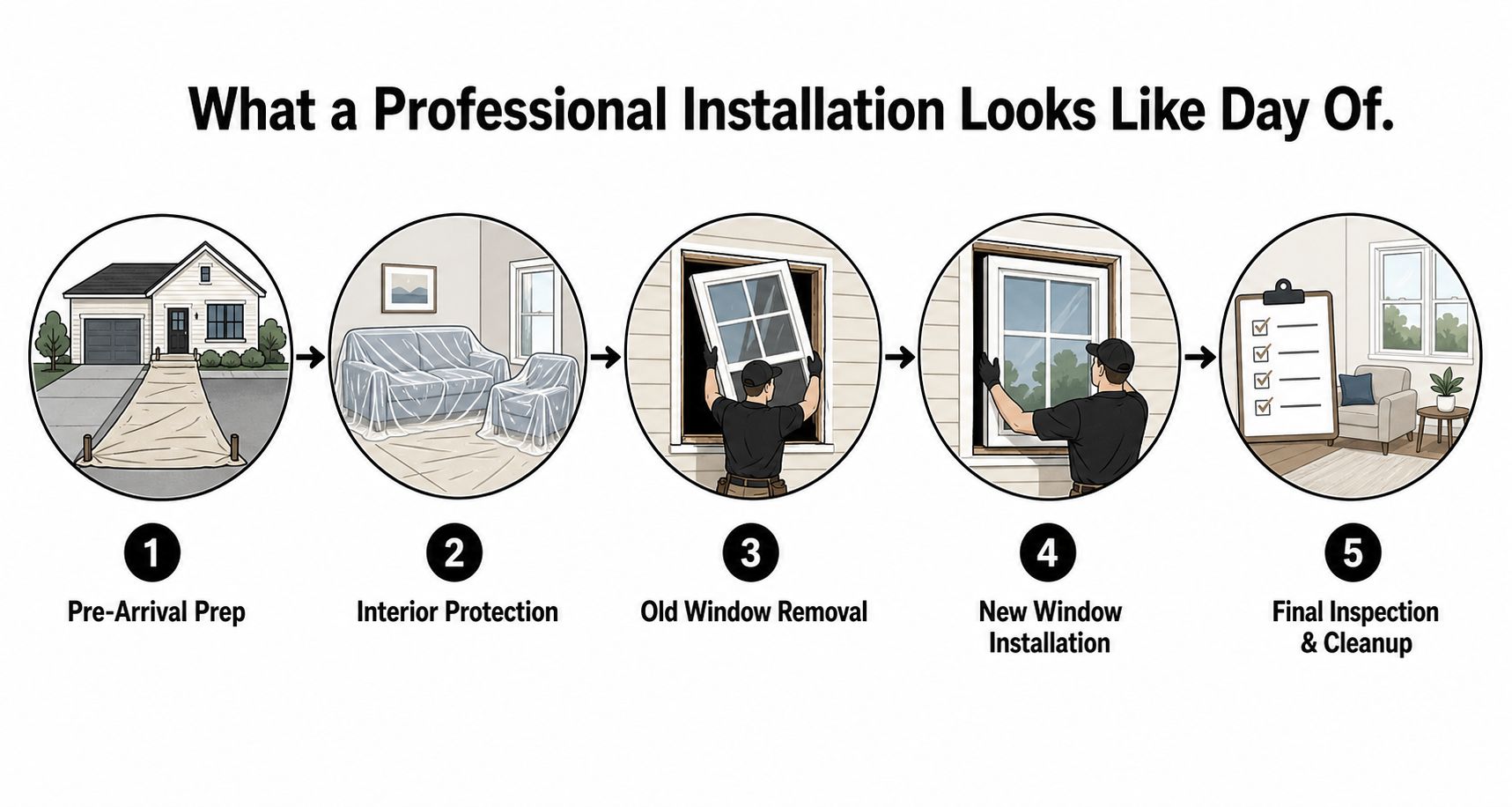
Crews working on stucco need a repair plan, not a promise that “the trim will cover it.” Older homes may also require interior trim touch-up, replacement stops, or paint matching. A factory-trained crew should record the NFRC labels from installed units so the documented U-factor and SHGC match the ordered product.
Read what to expect during a Boise window installation before the crew arrives. At completion, expect a debris sweep, hardware and lock inspection, operation test, homeowner walkthrough, and an invoice that separates product, labor, repairs, trim, disposal, and permit-related work.
Costs, Rebates, and Financing for Treasure Valley Projects
Window pricing means little until the scope is clear. A standard vinyl replacement inside an existing opening carries different labor and material demands than fiberglass, clad wood, oversized glass, full-frame removal, stucco repair, or a new patio door. For Boise's Northern climate zone, compare each quote against the unit's documented U-factor and SHGC, not the frame label alone.
Use these figures as budgeting references from local pricing research, not promises for a particular home. The published Treasure Valley guide places many projects around $500 per window installed and describes a 10-window project at about $9,000. Boise pricing research reports quality vinyl at $400 to $800 per window, fiberglass at $700 to $1,400, and wood-clad options at $900 to $1,800 or more. See the Treasure Valley replacement cost guide for the referenced local ranges.
| Project Type | Low per unit | Typical per unit | ENERGY STAR Tier | Avista Rebate |
|---|---|---|---|---|
| Vinyl double-hung replacement | $400 | $500 to $800 | Verify NFRC U-factor and SHGC | Based on qualifying U-factor tier |
| Fiberglass casement | $700 | $700 to $1,400 | Verify the complete unit rating | Based on qualifying U-factor tier |
| Large sliding patio door | Qualitative estimate only | Varies by size and configuration | Verify the door label | Confirm current program rules |
Costs rise when the crew must rebuild an opening, repair stucco, replace damaged sheathing, alter trim, or convert a window into a door. Separate those items from the replacement unit in the written bid. Structural changes also require a different permitting conversation than a like-for-like replacement, so confirm the project category with the contractor before ordering.
Build the incentive file before ordering
Avista's program uses installed U-factor tiers, and Pacific Power has noted that its incentive structure shifted from square-foot pricing to a per-window basis. Confirm current utility rules, required forms, qualifying products, and installation documentation before signing. The product must meet the applicable threshold, and the paperwork must support the installed unit.
Idaho law recognizes qualifying window replacement as an eligible energy-efficiency upgrade in an existing residence when the replacement improves less-efficient windows and meets the applicable IECC value. Review the Idaho energy-efficiency tax statute and ask a tax professional about federal credit eligibility, documentation, and how the project applies to your tax situation.
Financing may include contractor-arranged plans, promotional offers, cash, or a home-equity product. Compare the complete repayment obligation, not only the monthly payment. For a whole-house project, request an itemized bid and keep every NFRC label, invoice, rebate form, permit record, and warranty document together. Review window financing options in Boise before choosing a payment plan.
Red Flags and Vetting Questions for Boise Contractors
A door-to-door quote can sound attractive when a salesperson catches you at the right moment. Spring canvassing after a storm, especially in established neighborhoods, can create urgency that has little to do with your actual window condition.
Watch for a contractor who quotes without inspecting the opening, drops the price dramatically during the conversation, demands full payment before work starts, or gives you a scope too vague to identify the product and labor. A warranty that “will arrive later” isn't useful while you're deciding whether to sign.
| Red Flag to Watch | Question to Ask Instead |
|---|---|
| Unsolicited price without a real inspection | What did you inspect, and what conditions are included in this scope? |
| Sudden discount during the pitch | What is the original price, and what changed in the written proposal? |
| Full payment requested upfront | What payment schedule matches completed milestones? |
| Vague product description | What are the manufacturer, series, U-factor, SHGC, glass package, and frame material? |
| No local references | Can you provide references for comparable Boise-area projects? |
| Warranty paperwork promised later | Can I review product and workmanship warranty terms before signing? |
| Unclear permit responsibility | Who pulls the permit, and who schedules the inspection? |
Ask for the contractor's Idaho registration information and proof of liability and workers' compensation coverage. Confirm who handles Boise City permits when the project changes an opening, and ask how the crew manages stucco cuts, siding transitions, interior trim, and disposal.
Require the NFRC label or an equivalent product document before installation. The label should support the quoted U-factor and SHGC, not merely carry a general energy-efficiency logo.
Finally, put the scope in writing. The contract should identify the number and location of units, removal method, repairs, flashing, foam, exterior sealant, trim, cleanup, payment schedule, warranty coverage, and final documentation. Request a lien waiver at completion.
Your Boise Area Replacement Checklist and Next Steps
Bring this checklist to the first in-home estimate. A qualified estimator should answer directly and connect the proposal to Boise's Northern-zone performance requirements, not hide behind a package name.
- Confirm the NFRC label. Verify the quoted window meets the applicable target, including 0.27 or lower U-factor when that stricter level applies and 0.40 or lower SHGC where the product and orientation call for it. Match the label to the written proposal. The values matter more than a general energy-efficiency logo.
- Inspect every opening with the estimator. Record operation, drafts, failed seals, frame condition, water staining, condensation, and evidence of rot. Ask whether an insert or full-frame replacement fits the opening and the surrounding damage.
- Verify the installer. Check Idaho registration, insurance, workers' compensation coverage, local references, and factory training for the specified product.
- Request two written bids. Each bid should separate window replacement from structural changes, stucco repair, trim, disposal, permits, and patio-door modifications. Require the quoted U-factor and SHGC for every relevant unit.
- Prepare the rebate file. Ask which Avista or other utility requirements apply, which documents the installer supplies, and which tax records you must retain.
- Review both warranties. Product and workmanship coverage are separate. Read exclusions, service procedures, transfer rules, and responsibility for failed glass or installation-related leaks.
- Plan maintenance. Keep weep holes clear, inspect weatherstripping before each heating season, and re-caulk exterior seams every two to three years when sealant and exposure require it.
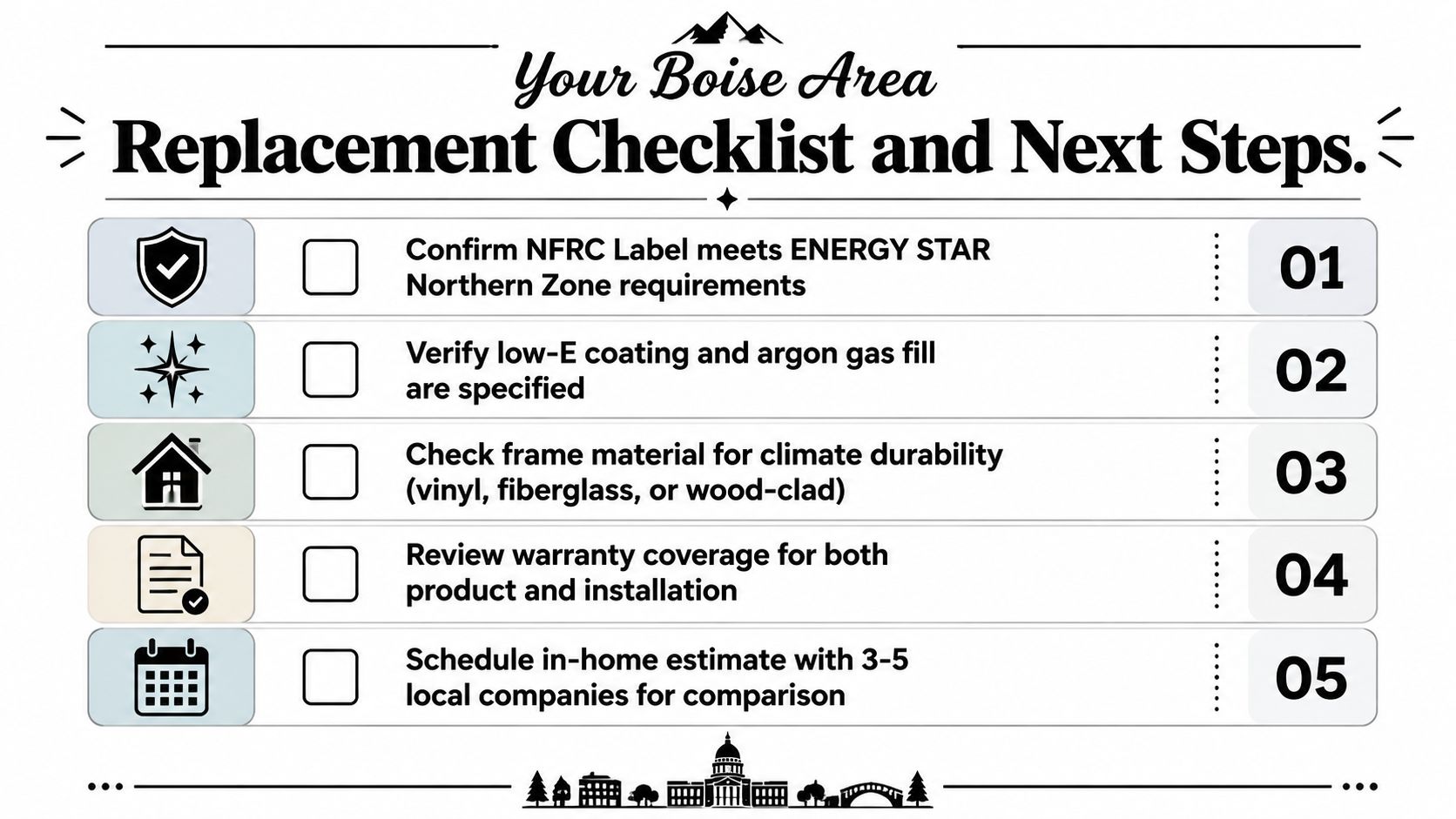
A factory-trained Treasure Valley installer should measure each opening instead of relying on builder plans, explain the installation method, preserve the performance label, and leave the home clean. For projects involving opening changes, confirm who handles Boise City permits and inspections.
C & C Windows & Doors offers local in-home consultations, custom measurements, replacement windows, and patio doors for homeowners across Boise and nearby Treasure Valley communities. Visit C & C Windows & Doors to request an estimate based on your openings, climate exposure, and verified U-factor and SHGC requirements.