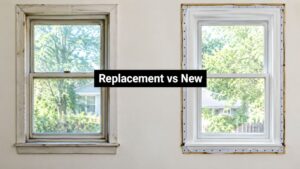

If you're sitting near a window in Eagle and you can feel cold air in January or too much sun in July, your windows are already telling you something. They may still open and close, but they're probably not doing a good job of insulating your home for Treasure Valley weather.
That matters here. Eagle homes deal with cold winter mornings, bright summer afternoons, and big temperature swings that expose weak glass, leaky frames, and outdated seals fast. Old windows don't just affect comfort. They can make certain rooms harder to use, drive up utility costs, and leave you guessing about whether replacement is worth it.
A lot of homeowners start looking for energy-efficient windows in Eagle ID after they notice one stubborn room that's always too hot or too cold. Then the confusing part starts. U-Factor, SHGC, Low-E, argon gas, tax credits, NFRC labels. They don't need more jargon. They need plain answers that fit the local climate and a real house, not a lab test.
Table of Contents
- Why Your Eagle Home Feels Drafty and Your Energy Bills Are So High
- Decoding Window Performance Ratings for Idaho's Climate
- The Anatomy of an Energy-Efficient Window
- Calculating Your Potential Savings and Return on Investment
- Navigating Federal Tax Credits and Local Incentives
- Why a Professional Installation Matters with C & C Windows
- Frequently Asked Questions About New Windows in Eagle
Why Your Eagle Home Feels Drafty and Your Energy Bills Are So High
A drafty home usually doesn't start with one dramatic failure. It starts with small, familiar annoyances. The living room feels chilly near the glass. A bedroom gets blasted by afternoon sun. You turn up the heat, then later close the blinds and run the air conditioning because another room got too warm.
Older windows often struggle in Eagle because the Treasure Valley climate asks them to do two different jobs well. In winter, they need to hold interior heat inside. In summer, they need to reduce unwanted solar heat while still letting in daylight. When glass, seals, and frames are outdated, you feel that weakness right away.
Common signs show up in daily life:
- Cold spots near windows: The room temperature may look fine on the thermostat, but the area by the glass feels uncomfortable.
- Hot afternoon rooms: South and west-facing windows can make a room harder to use during bright summer hours.
- Condensation and drafts: Moisture and air movement often point to weaker insulation or poor air sealing.
- Faded furnishings: Strong sun exposure can take a toll on floors, rugs, and furniture over time.
Practical rule: If you avoid sitting near a window during part of the year, that window probably isn't performing the way a modern one should.
Homeowners who are comparing symptoms can use this local guide to signs your Idaho windows need replacing to see whether the problem is cosmetic, comfort-related, or a true efficiency issue.
The good news is that modern replacement windows are designed for exactly these problems. Better insulation, tighter air control, and smarter glass coatings can make a house feel steadier from room to room. The key is knowing which ratings matter, which upgrades are worth paying for, and which tax credit details people often misunderstand.
Decoding Window Performance Ratings for Idaho's Climate
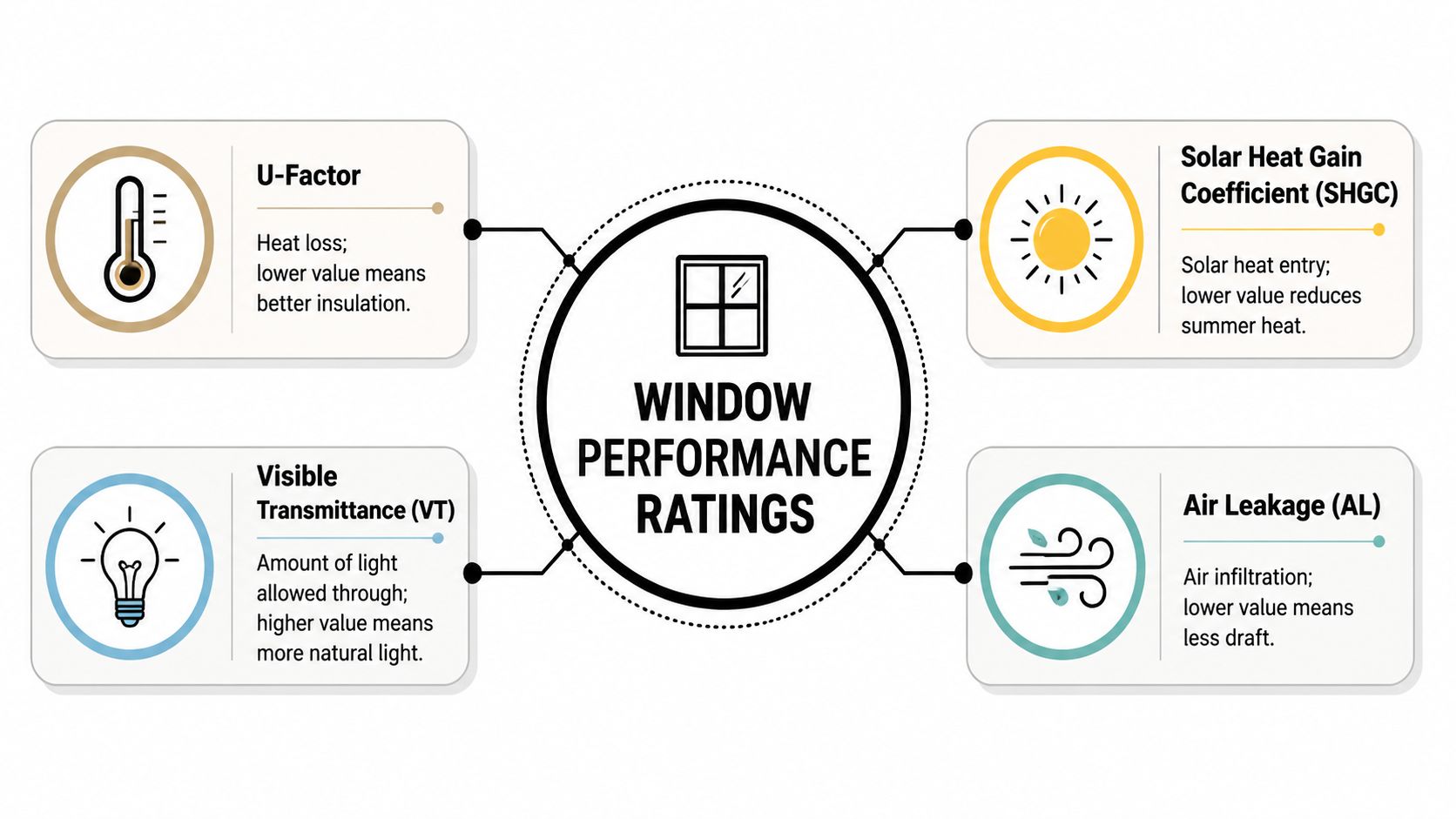
Window labels can look technical, but the basics are manageable once you connect them to everyday comfort in Eagle. Four ratings matter most for local homeowners. They tell you how well a window insulates, how much solar heat it lets in, how much daylight it passes through, and how much outside air slips around it.
What U-Factor and SHGC really mean
Think of U-Factor as the window's winter coat. It measures how much heat moves through the window. Lower numbers mean better insulation. The U-Factor scale runs from 0.20 to 1.20, and lower is better for resisting heat flow. For the climate zone that includes the Treasure Valley and southern Idaho, ENERGY STAR requires a U-Factor of 0.30 or lower, while colder northern areas require 0.27 or lower. High-performance triple-pane vinyl windows with argon fill and Low-E coatings often reach 0.27 or below according to this Idaho climate window efficiency guide.
Solar Heat Gain Coefficient, or SHGC, works more like sunglasses. It measures how much solar heat the window allows into your home. Lower SHGC numbers help control summer overheating. For cooling-dominant concerns without much shading, selecting windows with an SHGC below 0.40 is recommended, and for significant air conditioning costs, 0.30 or less is better, based on this window selection reference for energy savings.
If you want a broader local explanation of labels and climate-fit options, this guide to energy-efficient windows in Idaho gives useful homeowner context.
Why VT and Air Leakage matter in daily life
Two other ratings often get less attention, but they affect comfort more than people realize.
Visible Transmittance, or VT, tells you how much natural light comes through the window. A useful target is 0.6 or higher to maintain good light transmittance and visibility while balancing efficiency, according to this DOE window selection document. That's why a well-built efficient window doesn't have to make your home feel dark.
Air Leakage measures how much outside air moves through the window assembly. Lower values mean a tighter window and fewer drafts. The U.S. Department of Energy notes that air leakage is a critical metric because unwanted air often travels through this area of the home. A related federal guide also notes a benchmark of ≤0.30 cfm per square foot for non-site-built windows to reduce drafts and condensation while supporting comfort, as outlined in this guide to energy-efficient windows.
A good window isn't just about glass. It's about keeping heat where you want it, blocking it where you don't, and stopping outdoor air from sneaking in.
The Anatomy of an Energy-Efficient Window
Performance ratings tell you what a window does. The build details explain how it does it. When homeowners shop for energy-efficient windows in Eagle ID, they usually compare glass, gas fill, coatings, and frame material. Each part affects comfort, maintenance, and long-term value.
Glass packages and gas fills
The first big choice is often double-pane versus triple-pane. Double-pane windows are a strong step up from older single-pane units and fit many homes well. Triple-pane windows add another layer of insulation and often make the biggest difference in places where winter comfort matters most, such as bedrooms, large view windows, and exposed sides of the home.
Low-E coatings are another major piece. They're thin, nearly invisible layers on the glass that help manage heat transfer. In practical terms, they help keep indoor heat from escaping during winter and reduce unwanted heat entry during summer.
Gas fill sits between panes and improves insulation. Glass packages for high-efficiency double-pane windows can include a gas-filled space using krypton or argon, with argon being the standard choice for strong insulation and high efficiency, according to this window label and ROI guide.
For a more focused look at one upgrade many homeowners ask about, this article on argon gas windows in Idaho is a helpful reference.
Frames that match Idaho conditions
Frame material changes both efficiency and upkeep. Some homeowners focus only on glass, but the frame matters too because it affects insulation, durability, and how well the whole unit holds up over time.
Here's a practical side-by-side view.
| Feature | Good (Standard) | Better (Upgrade) | Best (Maximum Performance) |
|---|---|---|---|
| Glass | Double-pane | Double-pane with upgraded Low-E and gas fill | Triple-pane with advanced glass package |
| Gas fill | Basic insulated air space | Argon fill | Higher-performance insulated package |
| Frame material | Vinyl | Composite or upgraded vinyl | Fiberglass or premium composite |
| Comfort result | Better than older windows | Stronger year-round balance | Best control in demanding exposures |
| Best use case | Budget-conscious full-home replacement | Main living spaces and mixed exposures | High-sun rooms, large openings, colder exposures |
Frame materials such as vinyl, fiberglass, wood, and composite each bring different strengths. The same source notes that quality vinyl provides the best value, while fiberglass offers ultimate performance for Idaho conditions. Wood can be attractive, but many homeowners weigh its maintenance needs carefully. Composite often lands in a useful middle ground for people who want durability and a premium feel.
When you compare options, don't buy based on one feature alone. A triple-pane unit with the wrong solar profile for a hot room can still be a poor fit. A solid window package works because the glass, coating, gas fill, and frame all support the room's actual conditions.
Calculating Your Potential Savings and Return on Investment
Window replacement gets more serious when homeowners stop asking only, “Will it look better?” and start asking, “What will it change month to month?” That's the point where performance turns into financial value.
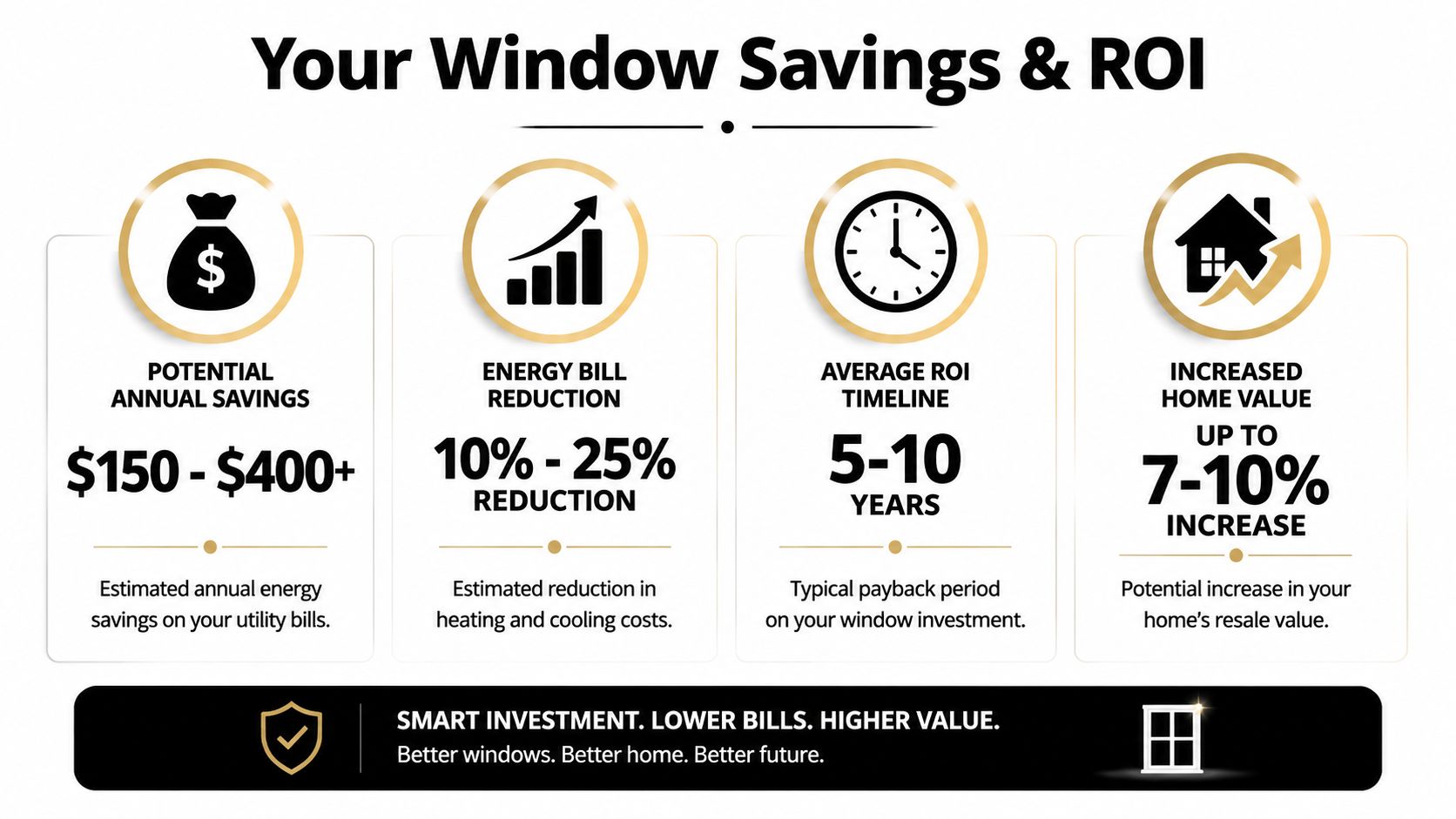
The clearest number available for Idaho homeowners comes from the U.S. Department of Energy. Replacing old single-pane or inefficient windows with ENERGY STAR 7.0 certified models can reduce annual heating and cooling costs by 12% to 33% in major markets like Idaho, according to this Idaho energy-efficient windows reference.
What savings can look like in Eagle
That 12% to 33% range is wide for a reason. Two homes in Eagle can have very different results based on what they're replacing and where the problem windows sit.
A homeowner moving from old single-pane glass usually has more room for improvement than someone replacing a newer but average double-pane unit. Exposure matters too. A house with large west-facing windows that overheat in summer may feel a bigger comfort shift even before the utility savings become obvious.
A few factors shape the return:
- Starting point matters: Replacing very old, inefficient windows usually creates the biggest change.
- Room exposure matters: Sun-heavy rooms and wind-exposed sides of the house often show benefits first.
- Whole-home consistency matters: One upgraded room can feel better, but a coordinated replacement plan usually delivers a more even result across the house.
Better windows can lower utility costs, but homeowners often notice comfort first. The room becomes usable again before the savings show up on a bill.
Looking beyond the utility bill
Return on investment isn't only about energy use. New windows can also change how the home functions day to day. Less draft, steadier temperatures, and better control of sun exposure can reduce the need to constantly adjust blinds, thermostats, and room use habits.
There's also the resale side. Buyers in the Treasure Valley tend to notice newer windows because they affect curb appeal, perceived maintenance, and comfort during showings. While every property is different, homeowners often view replacement windows as an upgrade that supports both livability now and marketability later.
That's why many people stop viewing window replacement as a cosmetic project. In the right home, it becomes a practical investment. The monthly utility impact matters, but the daily comfort payoff is often what makes the project feel worthwhile.
Navigating Federal Tax Credits and Local Incentives
Tax credit language causes more confusion than almost any other part of window shopping. Many homeowners hear “ENERGY STAR” and assume that means every qualifying label leads to the same federal benefit. It doesn't.
The big distinction is between a standard efficient window and one that meets a stricter tax credit threshold. If you don't verify that difference before you buy, you can end up with a good window that still doesn't qualify for the credit you expected.
The tax credit mistake many homeowners make
One commonly missed detail is that some homeowners assume any ENERGY STAR-certified window qualifies for the federal 25C tax credit. According to this Most Efficient window tax credit guide, only products meeting the Most Efficient criteria are eligible in 2025, specifically U-Factor ≤0.20 and SHGC ≤0.25. The same source states that qualifying windows must be produced by a qualified manufacturer, require a PIN number for claims, and can cover 30% of costs up to $600 annually through 2032.
That's the kind of detail that changes a purchase decision. A homeowner may choose a window that performs well for comfort, but if tax savings are part of the budget plan, the product paperwork matters just as much as the glass package.
How to verify a window before you buy
If you want to reduce mistakes, keep the process simple.
- Start with the exact product label. Don't rely on broad marketing language like “energy efficient” or even “ENERGY STAR” by itself.
- Check the performance numbers. For the stricter credit path above, the U-Factor and SHGC thresholds must match the eligible criteria.
- Confirm manufacturer qualification and claim documents. If a PIN is required for the claim, make sure you'll receive it.
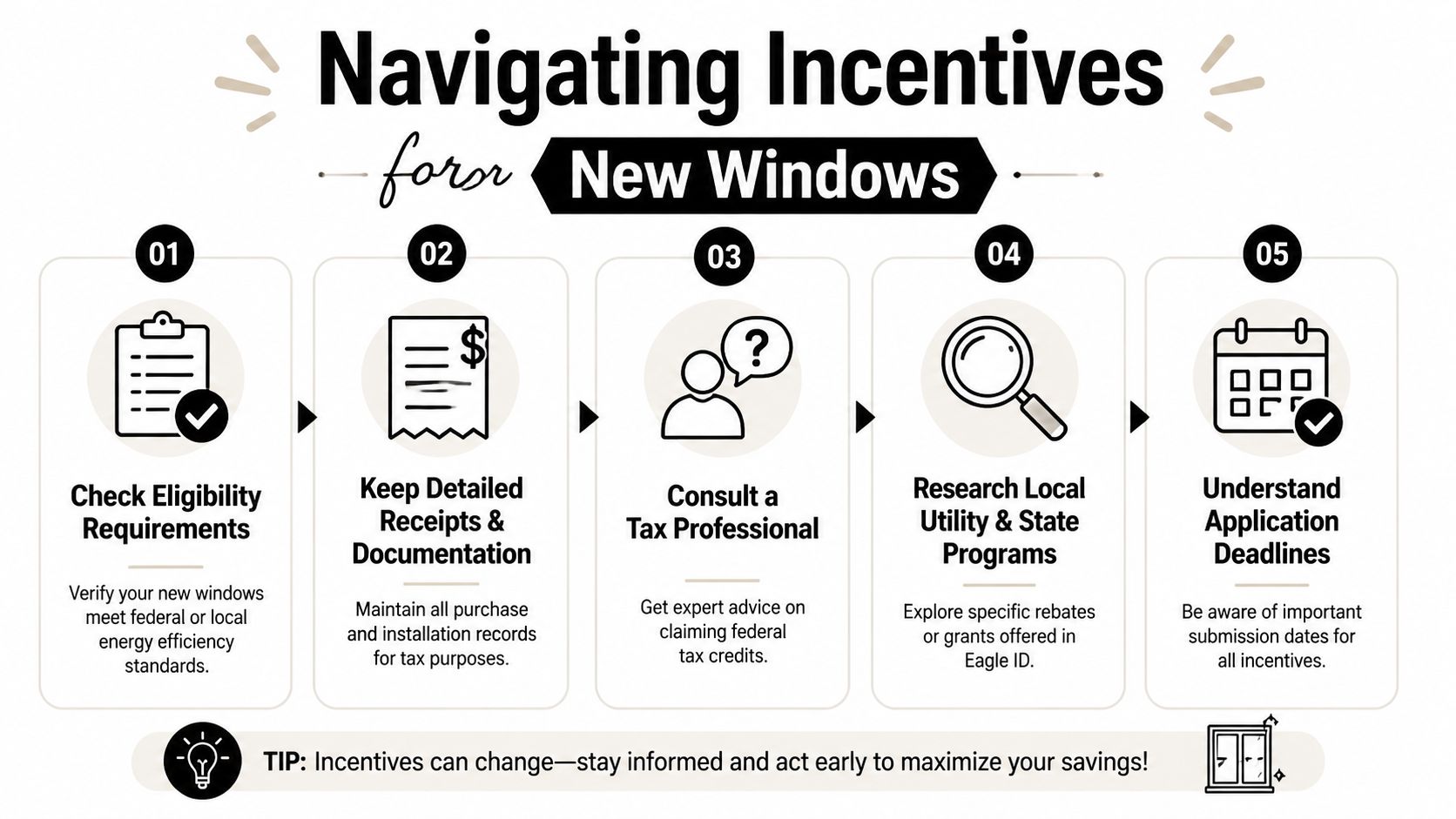
- Keep receipts and product records. Tax paperwork is much easier when everything is organized from the start.
A separate product-specific reference notes that for certain Eagle products, windows must have U-Factor and SHGC ratings of 0.30 or lower for both metrics to qualify for that specific energy tax credit document, and that SHGC of 0.30 or less is recommended in climates with significant cooling loads or summer overheating concerns, according to this Eagle tax credit PDF.
Don't assume the installer, the brochure, and the tax form all mean the same thing. Match the product rating to the credit requirement before you sign.
Local utility or regional incentives can change, so it's smart to ask what programs are available at the time of purchase and to confirm deadlines before installation begins.
Why a Professional Installation Matters with C & C Windows
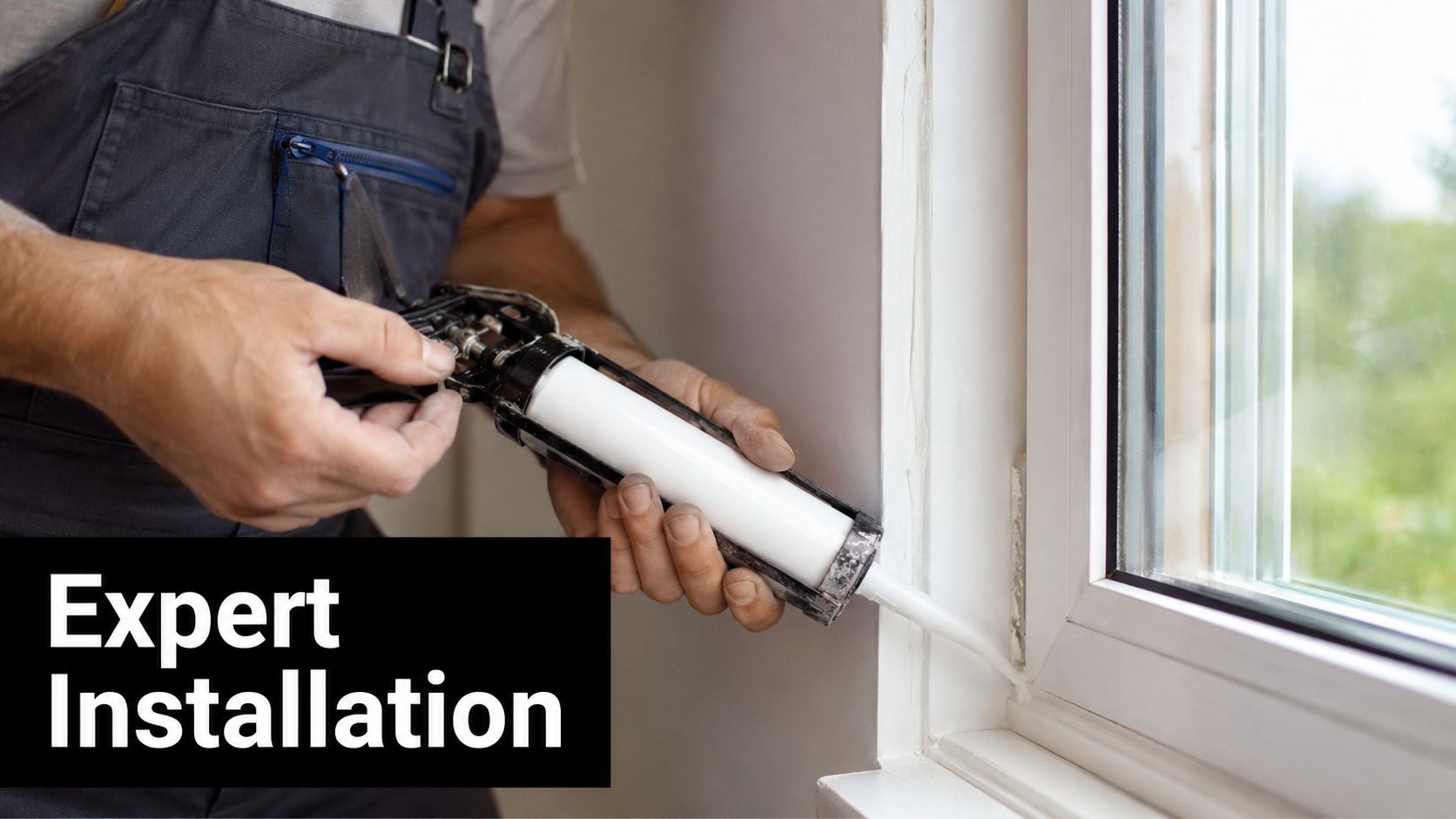
Even an excellent window can underperform if the installation is sloppy. Air gaps, poor sealing, and bad measurements can undo the benefit of a good glass package fast. That's why installation quality matters just as much as the label on the unit.
What good installation protects
A careful installer protects the performance you paid for. That starts with accurate measurements and continues through removal, fit, insulation, sealing, and finish work. If any of those steps are rushed, homeowners may still deal with drafts, operation issues, or moisture problems around the frame.
In a climate like Eagle's, that precision matters. Hot summer sun and cold winter temperatures put stress on materials and expose weak installation details. A window has to be square, sealed, and integrated correctly with the opening or the comfort gains won't fully show up.
The process should also respect the home itself. Homeowners should expect a clean work area, protection for surrounding surfaces, and a clear final walkthrough to confirm operation and finish quality.
What homeowners should expect
With C & C Windows & Doors, homeowners can expect a process built around local experience. The company is Treasure Valley-based, with a factory-trained team and 13 years of experience serving area homeowners. Their work includes free in-home consultations, custom measurements, and meticulous debris-free installation. They install energy-efficient replacement windows and patio doors engineered for Idaho conditions, with options such as ClimaTech Low-E coatings, argon gas fills, and optional triple-pane glass.
Their product lineup includes window styles like double-hung, casement, picture, and sliding windows, along with sliding and bi-fold patio doors. Homeowners also benefit from same-day estimates, financing through Synchrony, and a lifetime limited warranty on products and labor.
That local specialization matters because replacement windows aren't just products. They're climate-specific systems that need good design and careful installation to perform the way homeowners expect.
Frequently Asked Questions About New Windows in Eagle
How do I know if my current windows are the problem
Start with the room, not the frame. If one room feels colder than the rest in winter, overheats in summer, or has obvious drafts near the glass, the windows are a likely contributor. Condensation, difficult operation, outside noise, and fading near sunny exposures are also common clues.
A simple test is behavioral. If your family avoids a certain chair, closes blinds constantly, or keeps adjusting the thermostat because of one area of the house, the window performance may be driving that discomfort.
Can new windows help with summer overheating and outside noise
Yes, they can help with both, especially when the glass package fits the room's exposure. For homes with strong sun and summer overheating, selecting windows with an SHGC of 0.30 or less is recommended in climates with significant cooling loads, according to this Eagle product tax credit reference.
Noise control is more product-specific. Homeowners often notice quieter interiors when they move from older, loose, or thin windows to tighter modern units with better insulated glass packages. The exact improvement depends on the window construction, the installation quality, and the kind of noise outside.
What should I ask about warranty and tax credit paperwork
Ask for the full product rating information in writing. You'll want the NFRC performance label details, the manufacturer information, and any tax-credit-related documentation before installation is complete.
For some product paths, the window must meet U-Factor and SHGC ratings of 0.30 or lower for both metrics to qualify for the specific energy tax credit referenced in the product literature linked above. If you're pursuing a stricter federal credit tier, ask whether the window meets those exact thresholds and whether any required claim identifier, such as a PIN, will be provided with your paperwork.
You should also ask how the labor warranty works, what product issues are covered, and who handles service if a sash, seal, or hardware issue comes up later. Good answers should be clear, written down, and easy to keep with your home records.
If you're ready to compare options for your home, C & C Windows & Doors offers a straightforward next step. You can schedule a free in-home consultation, get custom measurements, and talk through window choices that make sense for Eagle's climate without pressure.