
Across Idaho, a cost-effective package of home energy upgrades could save single-family homeowners about $202.8 million a year on utility bills. For Treasure Valley homeowners, that waste shows up in familiar places. Cold bedrooms in January, overheated west-facing rooms in July, and HVAC systems that run longer than they should.
Idaho homes have to handle both sides of the problem. Winters are cold enough to expose air leaks and weak insulation. Summers are hot and dry enough to punish older glass, dark rooms, and poor solar control. In Boise, Meridian, Nampa, and the surrounding valley, the best energy-saving plan is rarely one product or one weekend fix. It is a sequence.
Start with the parts of the house that lose the most conditioned air and create the biggest comfort complaints. In many older homes, that means windows, doors, and the surrounding openings before anything else. I have seen homeowners spend money on a new thermostat or premium blinds while drafty frames and underperforming patio doors keep driving the bill back up. The order matters.
This guide keeps the advice practical. It compares DIY steps with jobs that are worth hiring out, points to Idaho Power programs where they fit, and puts extra attention on window and door upgrades because they affect both comfort and long-term operating cost. Homeowners who are weighing replacement options can also review this Idaho guide to energy-efficient windows before deciding what belongs on the short list.
Some fixes are inexpensive and fast. Others have a higher upfront cost but a better return in comfort, durability, and energy use. The goal is simple. Spend where Idaho homes leak, overheat, and waste money.
Table of Contents
- 1. Upgrade to Energy-Efficient Replacement Windows with Low-E Coatings
- 2. Seal Air Leaks Around Windows and Doors with Professional Caulking and Weatherstripping
- 3. Install Window Treatments That Reduce Solar Heat Gain and Heat Loss
- 4. Upgrade Patio Doors to Energy-Efficient Models with Triple-Pane Options
- 5. Maintain and Upgrade HVAC Systems to Complement Window Improvements
- 6. Apply Window Film or Install Smart Glass to Control Solar Heat Gain
- 7. Insulate Attics and Crawl Spaces to Prevent Heat Loss Through the Building Envelope
- 8. Seal and Insulate Basement Walls and Rim Joists to Prevent Ground-Level Heat Loss
- 9. Install Exterior or Interior Storm Windows to Add an Insulating Layer to Existing Windows
- 10. Schedule Regular Home Energy Audits to Identify and Prioritize Energy Upgrades
- 10 Energy‑Saving Comparisons for Idaho Homes
- Your Next Steps to an Energy-Efficient Idaho Home
1. Upgrade to Energy-Efficient Replacement Windows with Low-E Coatings
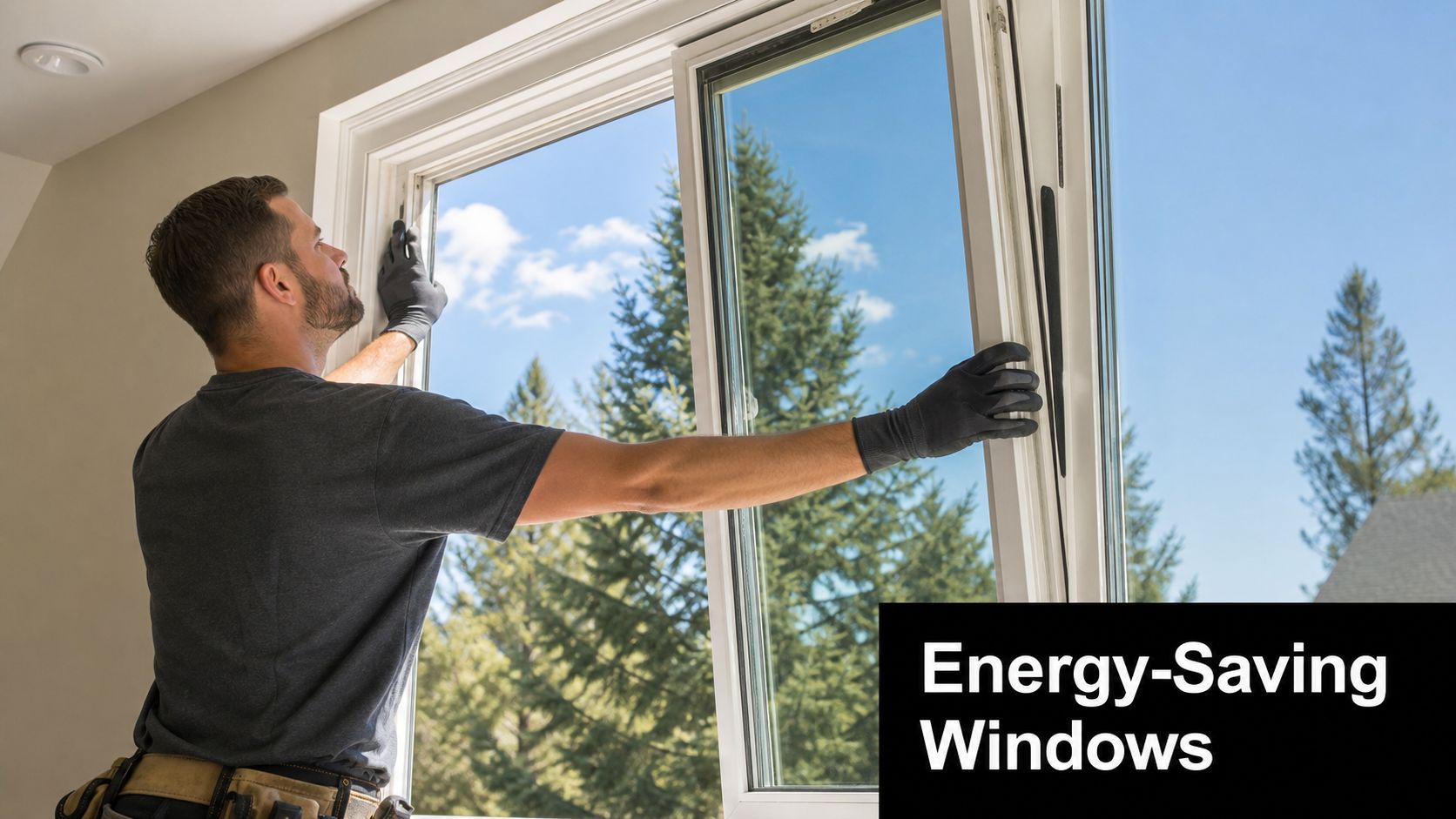
If your home still has older aluminum frames, thin vinyl frames, or worn double-pane units, window replacement is often one of the highest-impact upgrades you can make in Idaho. In homes built before 1990, windows can account for 25% to 30% of total winter heat loss, which is why many homeowners feel drafts even after adding more attic insulation or replacing HVAC equipment.
That matters even more in Treasure Valley winters. Generic weatherization advice often skips the issue of thermal bridging through standard frames, but Idaho homeowners regularly deal with deep cold that exposes weak frame performance fast.
Why windows matter more in older Idaho homes
High-performance replacement windows with Low-E coatings and Argon fills do more than stop obvious drafts. They slow heat transfer, reduce solar overload in summer, and improve room-by-room comfort so the furnace or heat pump isn't constantly chasing temperature swings. That's especially useful on south- and west-facing elevations that take the hardest seasonal hit.
At C & C Windows & Doors, that usually means looking beyond glass alone. Narrowline frames, composite-reinforced sashes, proper custom measurements, and tight installation all matter. If you want a detailed local breakdown, this Idaho energy-efficient windows guide explains what to prioritize.
Practical rule: If a room is cold near the glass in winter and overheats by afternoon in summer, the window is often the problem, not the thermostat.
A smart approach is to replace the worst-performing windows first. In many Boise, Meridian, and Eagle homes, that's the large living-room glass, aging bedroom windows on the north side, and any unit with visible seal failure or frame movement.
2. Seal Air Leaks Around Windows and Doors with Professional Caulking and Weatherstripping
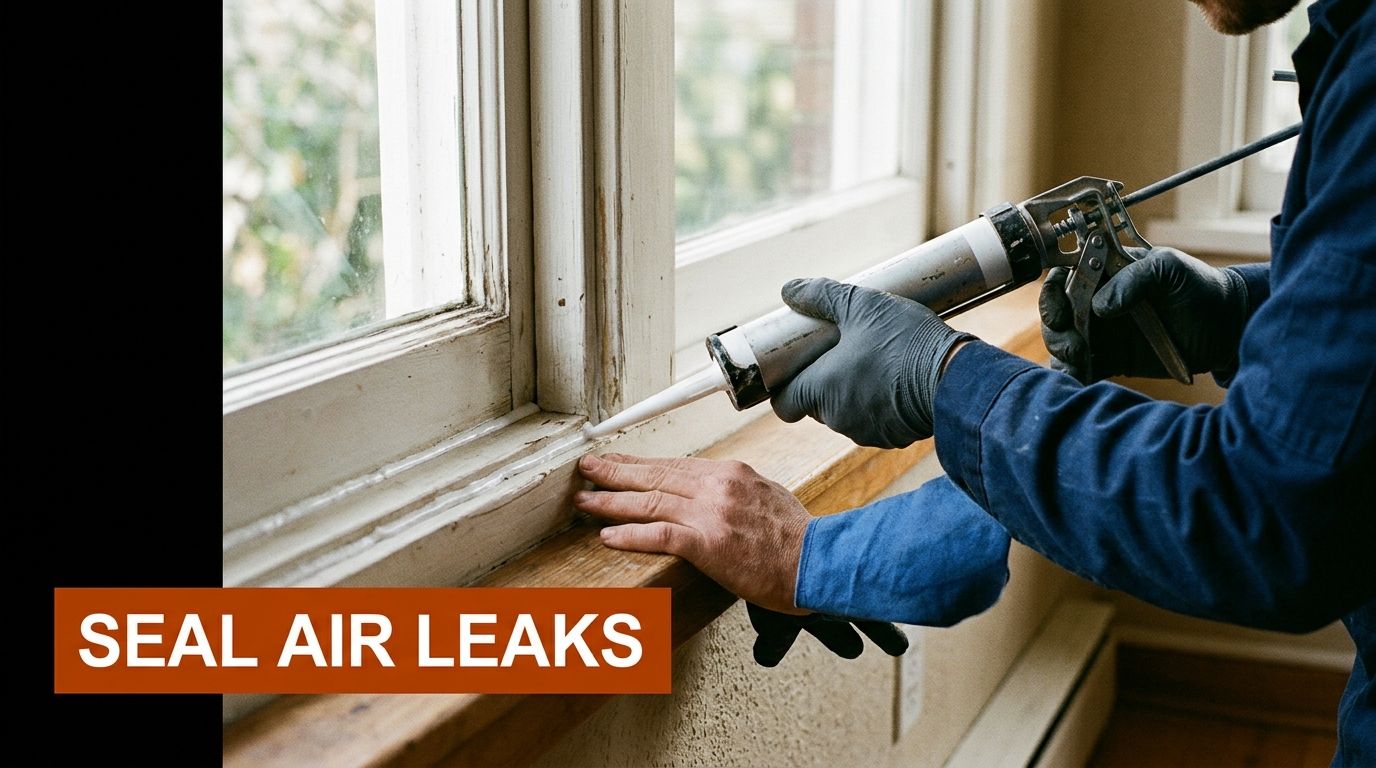
Small air leaks add up fast in Idaho. In January, a narrow gap at a window stool or a worn door sweep can make a room feel cold even when the furnace is keeping up on paper. In July, the same leak pulls hot, dry air into the house and makes west-facing rooms harder to cool by late afternoon.
Air sealing usually gives homeowners a better return than they expect because it improves comfort first and energy use second. A house with fewer drafts feels more stable from room to room, and the HVAC system does not have to cycle as hard to recover after every temperature drop near an opening.
Professional caulking and weatherstripping make the biggest difference in a few common Treasure Valley trouble spots:
- Exterior trim joints that have opened up: Older caulk often shrinks, cracks, or separates from wood and fiber cement. New sealant only lasts if the old material is removed where needed and the joint is cleaned and sized correctly.
- Entry doors with flattened seals: The door may latch fine and still leak badly around the jamb or threshold. New weatherstripping and an adjusted sweep usually fix that.
- Sliding patio doors: These are frequent draft sources in Boise and Meridian homes, especially if the rollers are worn or the interlock no longer closes tightly.
- Window perimeters with drainage details: These openings need careful sealing so water can still exit the assembly. Filling every gap is not the goal. Controlling air without trapping moisture is.
A homeowner can handle a basic draft check with a hand, a smoke pencil, or a thermal camera attachment. For a practical checklist, this Boise winter window prep guide helps identify the spots that usually fail first.
The trade-off is simple. DIY sealing works for minor interior gaps and obvious worn weatherstripping. It is less reliable when the opening has deteriorated trim, movement, water exposure, or installation problems from the start. In those cases, a clean professional repair lasts longer and avoids the common mistake of smearing new caulk over failed material.
Air sealing also has limits. It reduces drafts, but it does not solve conductive heat loss through an old aluminum frame, a warped sash, or a failed insulated glass unit. If a window still feels cold after the perimeter is sealed and the weatherstripping is replaced, the issue is usually the unit itself, not the caulk.
Seal the leakage first. Replace the windows or doors that still underperform after the air sealing work is done.
3. Install Window Treatments That Reduce Solar Heat Gain and Heat Loss
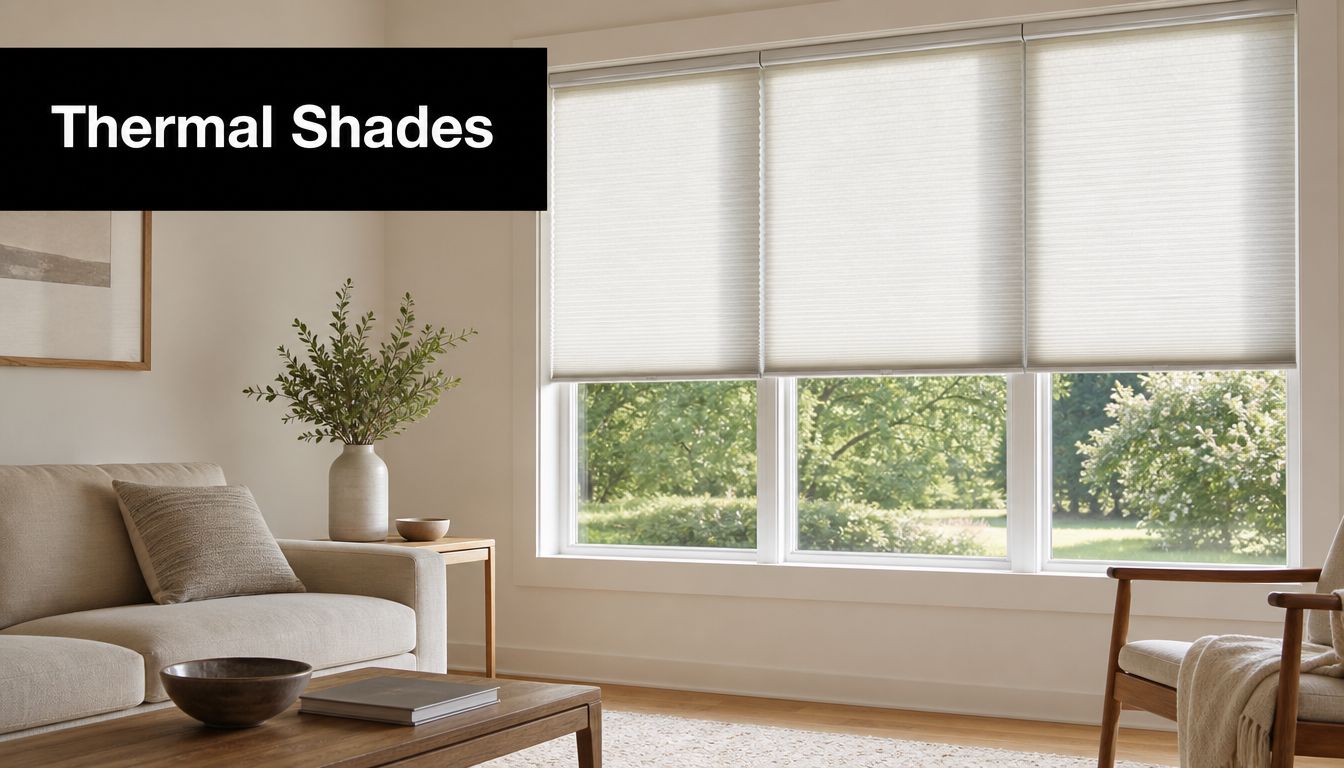
Window treatments are one of the easiest energy saving tips for Idaho homeowners because they can help in both winter and summer. The trick is using them strategically, not just decoratively.
In winter, opening curtains or shades on south- and west-facing windows during the day and closing them at night can save 2% to 12% annually on energy bills. That's one of the few low-cost habits that can make a visible difference without changing equipment.
Use the sun instead of fighting it
Cellular shades, thermal curtains, and well-fitted roller shades work best when they match the room's problem.
- South-facing living areas: Open them on sunny winter days to capture heat. Close them at night to reduce heat loss through glass.
- West-facing rooms: Close them earlier in summer afternoons to limit solar gain before the room gets hot.
- Bedrooms and bonus rooms: Choose tighter-fitting treatments where comfort matters more than full daylight.
This is also where expectations need to stay realistic. Window treatments are a secondary layer. They can improve comfort a lot, but they won't fix a failing seal, warped sash, or patio door that leaks air around the frame. In those cases, they work best as support for a better window or door system, not as a substitute for one.
Homeowners in Boise and Meridian often get the biggest payoff by targeting the rooms they avoid at peak temperature swings first. Usually that's the upstairs west bedroom in July or the north-facing family room in January.
4. Upgrade Patio Doors to Energy-Efficient Models with Triple-Pane Options
Patio doors are often the biggest sheet of glass in the house, which means they can also be the biggest comfort problem. If you feel cold standing near the slider in winter or watch afternoon sun bake the room behind it in summer, the door is acting more like a leak than a wall.
Older Treasure Valley homes often struggle with sliding doors from earlier eras, which frequently have weaker frames, poor weatherstripping, and glass that doesn't hold up well against Idaho's seasonal swings.
A patio door shouldn't feel like a weak wall
Modern patio doors with Low-E glass, Argon fills, tighter frame construction, and optional triple-pane packages perform much better than older sliders. They also solve a practical issue many homeowners overlook. Large openings need precise installation, because small alignment or perimeter sealing errors become big draft paths fast.
C & C Windows & Doors handles this as a whole assembly problem, not just a glass problem. Their sliding patio door replacement service in Boise focuses on custom measurements, tight fit, and climate-appropriate performance options for local homes.
A few priorities matter most:
- Replace the worst glass wall first: If one patio door serves a living room or family room, fixing that opening often changes comfort quickly.
- Consider triple-pane for exposed elevations: It makes the most sense where wind, cold, or strong afternoon sun hit hardest.
- Pair the door with proper coverings: A good thermal shade still helps with comfort and glare.
A cheap slider can look acceptable and still perform poorly. A well-built patio door should open smoothly, latch cleanly, and stop feeling like a cold zone every winter.
5. Maintain and Upgrade HVAC Systems to Complement Window Improvements
Heating and cooling usually make up the biggest share of home energy use. In Idaho, that matters in both directions. Winter cold pushes furnaces hard, and long summer afternoons can keep an air conditioner running well into the evening.
After window upgrades, HVAC performance becomes easier to judge. If rooms still run hot in July or chilly in January, the issue often shifts from the glass to airflow, controls, duct leakage, or deferred equipment maintenance. That is why the best results come from treating the house as one system.
A thermostat is usually the first place to tighten things up. Smart and programmable models can trim waste by cutting back when the house is empty, but they only help if the schedule matches how the household lives. For a family that leaves the house on a regular weekday routine, the savings can be real. For someone home all day, the payoff is smaller.
In Treasure Valley homes, I usually recommend this order:
- Maintain the existing equipment first: Replace filters on schedule, clean outdoor coils, and keep supply and return vents unobstructed.
- Schedule service before peak seasons: A spring AC check and a fall furnace check catch airflow, ignition, refrigerant, and safety issues before demand spikes.
- Upgrade controls after the basics are handled: A smart thermostat makes more sense once the system is operating correctly and the home is less drafty.
- Avoid replacing equipment based on old load assumptions: Better windows and tighter air sealing can reduce the heating and cooling load enough that an older sizing estimate no longer fits.
Idaho Power encourages homeowners to use programmable thermostat settings and other low-cost habits to reduce waste. Closing blinds during hot parts of the day, using ceiling fans correctly in summer, and cutting unnecessary plug loads all support the HVAC system instead of making it work harder.
The expensive mistake is replacing a furnace or AC unit before addressing the envelope and controls. Oversized equipment tends to short-cycle, which hurts comfort, wastes energy, and can leave upstairs rooms or west-facing spaces unevenly conditioned. Once windows, doors, and major air leaks are improved, an HVAC contractor can size replacement equipment more accurately.
A tighter house and a well-tuned HVAC system do different jobs. The windows reduce the load. The HVAC system handles the load more efficiently. That combination is where Idaho homeowners usually see better comfort, steadier indoor temperatures, and lower monthly operating costs.
6. Apply Window Film or Install Smart Glass to Control Solar Heat Gain
Not every homeowner is ready for full replacement right away. Window film can be a useful intermediate step, especially on problem glass that gets hammered by summer sun.
This option makes the most sense in rooms with glare, overheating, or strong west exposure where the glass is still serviceable. It can also help sunrooms, home offices, and patio-door areas where afternoon conditions get uncomfortable.
Good retrofit, limited fix
Film is a heat-control retrofit, not a structural performance upgrade. It can cut glare and reduce solar heat gain, but it won't fix air leaks around a frame, poor operation, failed seals between panes, or weak frame construction. That's the trade-off.
A practical order of operations looks like this:
- Use film on the hottest exposures first: West-facing glass usually gives the fastest comfort improvement.
- Choose professional installation for large panes: Bubbles, edge failure, and poor adhesion are common DIY problems.
- Don't use film to delay a needed replacement too long: If the unit is drafty or visibly failing, film is a stopgap.
Smart glass sits in a different category. It's more specialized and often better suited to select spaces where glare control and daylight management matter. For most homeowners in Boise, Meridian, Eagle, Nampa, or Caldwell, film is the realistic retrofit and full replacement is the long-term fix.
This is one of those upgrades where the right answer depends on whether the issue is sunlight, air leakage, or both. If it's both, replacement usually wins.
7. Insulate Attics and Crawl Spaces to Prevent Heat Loss Through the Building Envelope
A lot of Idaho homeowners look at windows first because windows are visible. Attic loss isn't visible, but it hits the heating bill hard. Warm air rises, and if the attic plane is under-insulated or poorly sealed, your house keeps feeding heat into the coldest part of the structure.
For Idaho's climate, recommended attic insulation levels for new construction are R-49 to R-60. That's a useful benchmark when you're looking at older homes that may have thin or uneven attic coverage.
Start at the top of the house
Before adding insulation, seal attic bypasses. Gaps around penetrations, top plates, and attic hatches let warm air escape before the insulation can do its job. Sealing the attic hatch with self-sticking weather-stripping and adding rigid foam board insulation is a simple upgrade with outsized value.
A few attic and crawl-space priorities usually pay off first:
- Fix air leakage before adding material: Insulation without sealing often underperforms.
- Address the hatch or access panel: These openings are common weak spots.
- Check crawl spaces too: Floors above under-insulated crawl spaces often feel cold even when the thermostat says the room is warm.
This is one of the better pairings in the house. Better attic insulation and better windows support each other well because they both reduce how hard the HVAC system has to work.
If upstairs bedrooms won't hold temperature, don't assume the HVAC system is failing. Check the attic first.
8. Seal and Insulate Basement Walls and Rim Joists to Prevent Ground-Level Heat Loss
Cold floors, cold corners, and chilly first-floor rooms often point to a basement or crawl-space perimeter problem. In older Idaho homes, rim joists and foundation transitions are common leak points because they're hard to insulate well after the fact and easy to ignore during cosmetic remodels.
This work matters even more when the basement is partly finished or when the main living spaces sit directly above a crawl space. If the lower perimeter leaks air, comfort problems show up upstairs.
Cold floors usually start at the perimeter
Start with the rim joist. It's a high-value target because it's a junction point between framing and foundation, and those joints often leak outside air. After that, look at basement walls, penetrations, and any obvious gaps around utility entries.
A practical sequence is:
- Seal the rim joist first: This often gives the fastest comfort improvement.
- Use insulation appropriate for below-grade conditions: Moisture management matters as much as thermal performance.
- Check for water issues before closing anything up: Insulating over moisture problems creates a different problem.
This isn't the flashiest of the energy saving tips for Idaho homeowners, but it solves a lot of the comfort complaints people assume are just “part of living in an older house.” They aren't. Ground-level heat loss is fixable when the work is done in the right order.
9. Install Exterior or Interior Storm Windows to Add an Insulating Layer to Existing Windows
Storm windows are the classic middle-ground option. They're useful when replacement isn't in the budget yet, when you're trying to improve a rental temporarily, or when the home has architectural reasons to preserve the existing primary sash for now.
They can help, but they're still a layer added to an older system. That's the right mindset going in.
When storm windows make sense
The more advanced issue many Idaho homeowners ask about is thermal bridging in extreme cold. Generic advice usually stops at draft sealing or shrink film, but that doesn't fully address frame-related heat loss. In severe winter conditions, standard aluminum or thin vinyl frames can transfer cold aggressively. Upgrading to composite-reinforced narrowline frames with Argon fills and Low-E coatings can reduce heat loss by up to 40% compared with standard double-pane units.
That contrast explains where storm windows fit. They can improve performance at the margin, especially if the existing primary window is still in decent shape. But if the frame itself is the weak point, a storm unit won't fully solve the problem.
Use storm windows when:
- You need a temporary efficiency step while budgeting for replacement
- You want a less invasive option for a specific property type
- The existing windows still operate reasonably well and aren't structurally failing
For permanent performance, better comfort, and stronger resale appeal, a full replacement window still gives the cleaner long-term result.
10. Schedule Regular Home Energy Audits to Identify and Prioritize Energy Upgrades
If you don't know where the house is losing energy, it's easy to spend money in the wrong order. A home energy audit helps you stop guessing.
That matters because not every Treasure Valley home has the same weak spot. One house leaks through attic bypasses. Another suffers from old sliders and west-facing glass. Another has a decent shell but poor thermostat control and duct issues.
Audit first if you're not sure where to spend
Homeowner behavior also shows why audits and prioritized upgrades matter. Idaho homeowners have shown they're willing to pay up to $10 more per month in rent or mortgage costs to save $16 per month on energy bills, which is a strong sign that practical efficiency upgrades make sense when the savings are clear.
An audit helps you identify that value in the right places. It also keeps you from doing low-impact work first just because it's visible.
Ask for these things during the process:
- A prioritized list of defects: You want the worst leakage or heat-loss issues first.
- Thermal imaging if available: Seeing the weak spots helps homeowners make better decisions.
- A post-upgrade plan: If you replace windows, insulate the attic, or seal major leaks, it helps to recheck performance later.
Idaho homeowners should also check with Idaho Power, Avista, or Rocky Mountain Power for available audits and program guidance. If the audit shows windows or patio doors are the main problem, a local installer can then build a replacement plan around actual conditions instead of assumptions.
10 Energy‑Saving Comparisons for Idaho Homes
| Option | 🔄 Implementation Complexity | ⚡ Resources / Cost & Time | ⭐ Effectiveness / Quality | 📊 Expected Outcomes / Impact | 💡 Ideal Use Cases & Tips |
|---|---|---|---|---|---|
| Upgrade to Energy-Efficient Replacement Windows with Low-E Coatings | High, full professional replacement; possible structural adjustments | High upfront cost, skilled installer, moderate lead time; rebates may apply | ⭐⭐⭐⭐⭐ | 10–30% home energy reduction (varies by scope); improved comfort and resale value | Best for owners planning long-term occupancy; prioritize south/west windows; combine with sealing |
| Seal Air Leaks Around Windows and Doors with Professional Caulking & Weatherstripping | Low–Medium, quick professional work, precise application required | Low cost, short job duration; periodic reapplication (5–10 yrs) | ⭐⭐⭐⭐ | Immediate draft reduction; 5–15% heating/cooling savings; better HVAC performance | Ideal as first or interim upgrade; get energy audit first; use low‑VOC caulk; schedule in mild weather |
| Install Window Treatments That Reduce Solar Heat Gain and Heat Loss | Low, simple install; motorized options raise complexity | Low–Medium cost; fast installation; motorization increases cost/maintenance | ⭐⭐⭐ | 15–25% window heat transfer reduction; improved glare control and comfort | Good for renters, budget-conscious owners, or rooms needing light control; pair with efficient windows; program motorized shades |
| Upgrade Patio Doors to Energy-Efficient Models with Triple-Pane Options | High, heavy units, precise installation; may need frame work | High cost, professional installation; heavier hardware required | ⭐⭐⭐⭐ | Up to ~30% savings for rooms with patio doors; better security and noise reduction | Best for homes with large glass doors or frequent indoor‑outdoor use; measure/seal meticulously; choose triple-pane in cold climates |
| Maintain and Upgrade HVAC Systems to Complement Window Improvements | High, system replacement and ductwork require professional design | High capital cost ($5k–$10k+), potential rebates; commissioning time | ⭐⭐⭐⭐ | 20–30% energy savings when upgraded; extends equipment life; improves IAQ | Ideal when systems >15 years or after envelope upgrades; right‑size equipment, seal ducts, install smart thermostat |
| Apply Window Film or Install Smart Glass to Control Solar Heat Gain | Medium, film is quicker; smart glass involves electrical integration | Film = Low–Medium cost; smart glass = High ($50+/ft²) and higher installation complexity | ⭐⭐⭐ | Immediate room temp drops (examples show up to 35% cooling cost reduction); glare & UV reduction | Retrofit solution for existing windows or sunrooms; choose ceramic films over metallic; combine with shades |
| Insulate Attics and Crawl Spaces to Prevent Heat Loss Through Envelope | Medium, professional assessment, ensure ventilation and air sealing | Medium cost; quick to moderate installation time; rebates possible | ⭐⭐⭐⭐ | 10–20% heating savings (attic alone); reduces drafts and ice dams; improves upper‑floor comfort | High impact for pre‑2000 homes with low R‑value; air‑seal before adding insulation; target R‑49 for Idaho attics |
| Seal and Insulate Basement Walls and Rim Joists | Medium–High, may affect finished space; moisture management required | Medium cost; professional recommended; testing advised | ⭐⭐⭐⭐ | Basement heating reductions 30–50%; eliminates cold floors and reduces moisture issues | Prioritize rim joists first; use rigid foam or spray foam; perform moisture testing and install proper vapor barriers |
| Install Exterior or Interior Storm Windows | Low, seasonal or semi‑permanent install; can be DIY or pro | Low cost ($50–$200/window); quicker install; temporary solution | ⭐⭐⭐ | 15–25% improvement vs. single‑pane; lower cost short‑term insulation | Good for historic homes, rentals, or interim solution while budgeting for replacement; exterior storms outperform interior for insulation |
| Schedule Regular Home Energy Audits to Identify & Prioritize Upgrades | Low, schedule and allow 2–4 hours for testing; professional diagnostics | Low or free via utilities; requires homeowner time/access | ⭐⭐⭐⭐ | Reveals top ROI measures; guides effective upgrade sequencing; supports rebate/credit applications | Recommended before major investments; request thermal imaging and blower door tests; prioritize by payback period |
Your Next Steps to an Energy-Efficient Idaho Home
A smart energy plan for an Idaho home starts with the losses you can feel on your utility bill and in the rooms you avoid in January or July. In the Treasure Valley, the usual trouble spots are old window glass, loose patio doors, attic heat loss, and air leakage around the shell of the house. Fix those first, and the rest of the system starts working the way it should.
The big mistake is treating every upgrade as equal. They are not. New curtains and thermostat habits help, but they do not solve a failing seal, a low-performing window, or an underinsulated attic. In Boise, Meridian, Eagle, Nampa, Caldwell, Kuna, Garden City, and Star, I would usually rank the work this way: identify leakage, fix the envelope, then size and tune HVAC around the improved home.
That order matters because Idaho weather is demanding at both ends of the year. Winter exposes drafts fast. Summer pushes west-facing glass and large patio doors hard in the afternoon. If the house leaks, the furnace and AC spend the season compensating for problems the mechanical system should never have to carry.
Some jobs are good DIY projects. Basic window coverings, simple weatherstripping, and attic hatch sealing can make sense for a careful homeowner. Replacement windows, patio doors, blower-door-guided air sealing, and insulation work involving moisture control are better handled by a professional. A low bid can turn into expensive correction work if flashing, ventilation, or product selection is wrong.
Local Resource Checklist:
- Utility Rebates and Audits: Check Idaho Power, Avista, or Rocky Mountain Power for current rebates on insulation, HVAC improvements, and other qualifying upgrades, plus home energy audit options that can help you decide what to do first.
- Financing Options: Explore options like Synchrony if you want to spread out the cost of a larger project while improving comfort right away.
- Expert Consultation: If your home has aging windows or patio doors, schedule a free in-home consultation with the local team at C & C Windows & Doors for custom measurements, a same-day estimate, and upgrade recommendations that fit Treasure Valley conditions.
If you are deciding where to begin, start where the payback is most obvious. A professional audit can tell you whether your house is losing the most energy through glass, air leaks, attic bypasses, or a combination of all three. From there, the upgrade path gets much clearer, and you avoid spending money on improvements that only treat the symptom.
Ready to make your home more comfortable in winter, cooler in summer, and less expensive to run year-round? C & C Windows & Doors provides free in-home consultations, custom measurements, same-day estimates, and meticulous installation for energy-efficient replacement windows and patio doors built for Idaho homes.