If you're standing near a bedroom window on a Boise morning and the room feels colder than the thermostat says, your windows are telling you something. You might see a little moisture on the glass, feel a faint draft near the sash, or notice that the furnace seems to run harder after sunset. That's usually when the main question shows up. Should you replace those windows with double pane, or is triple pane worth the extra money in an Idaho winter?
Most articles answer that too fast. They say triple pane is better in cold weather, which is true in a general sense, but that's not the whole decision. Idaho homeowners don't buy glass in a lab. They buy a complete window system that has to perform in real houses with real framing, real wind exposure, different room orientations, and different budgets.
In the Treasure Valley, the better choice often comes down to where the discomfort is happening, how long you plan to stay in the home, and whether your current heat loss is coming through the windows or from other parts of the house. Comfort matters. Monthly utility bills matter. Installation quality matters just as much.
Table of Contents
- That Idaho Winter Draft Is Your Windows Talking
- Window Performance 101 for Idaho Homeowners
- U-factor is usually the first number to check
- R-value matters, but homeowners rarely shop by it
- SHGC can help or hurt, depending on the side of the house
- Low-E coatings and gas fill affect comfort more than many homeowners expect
- Air leakage is the spec that exposes weak installs and weak window design
- Double Pane vs Triple Pane A Head to Head Comparison
- Why the Payback Period Depends on More Than Just Glass
- When Triple Pane Is Worth It in the Treasure Valley
- Get the Right Windows for Your Idaho Home with C&C
- Frequently Asked Questions About Idaho Window Replacement
That Idaho Winter Draft Is Your Windows Talking
A lot of Treasure Valley homeowners notice the same pattern first. The kitchen feels fine. The hallway feels fine. Then you walk over to the big living room window before sunrise and the temperature drops off a cliff. The room isn't freezing, but it doesn't feel comfortable either.
That cold edge around the glass usually isn't your imagination. It's a sign that heat is moving out faster than it should, or outside air is getting in where it shouldn't. Older windows can create both problems at once. The result is familiar. You bump up the thermostat, the furnace runs longer, and the room still feels chilly near the wall of glass.
Condensation is another clue. When the inside glass gets cold enough, moisture in the air shows up on the surface. Homeowners often think only about fogged views, but the bigger issue is what that cold interior surface says about the window's insulation.
Cold spots near a window don't always mean the whole house needs more heat. Often, they mean that one part of the building shell is losing heat faster than the rest.
In Idaho, winter comfort isn't just about indoor air temperature. It's also about glass temperature, draft control, and whether you can use the space near your windows without feeling that steady chill. A breakfast nook with a cold picture window, a north-facing bedroom, or a bonus room exposed to wind can all feel underheated even when the furnace is doing its job.
That's why the Double Pane vs Triple Pane Windows Idaho Winters conversation has to go beyond “better” and get into what problem you're trying to solve.
What homeowners usually want fixed
- Lower winter discomfort: The room should feel usable all the way to the window.
- Fewer cold drafts: Air movement around the frame and sash needs to be controlled.
- Less condensation: Warmer interior glass usually means less moisture collecting on the surface.
- Better bill control: Energy savings matter, but only if the added upgrade cost makes sense.
Window Performance 101 for Idaho Homeowners
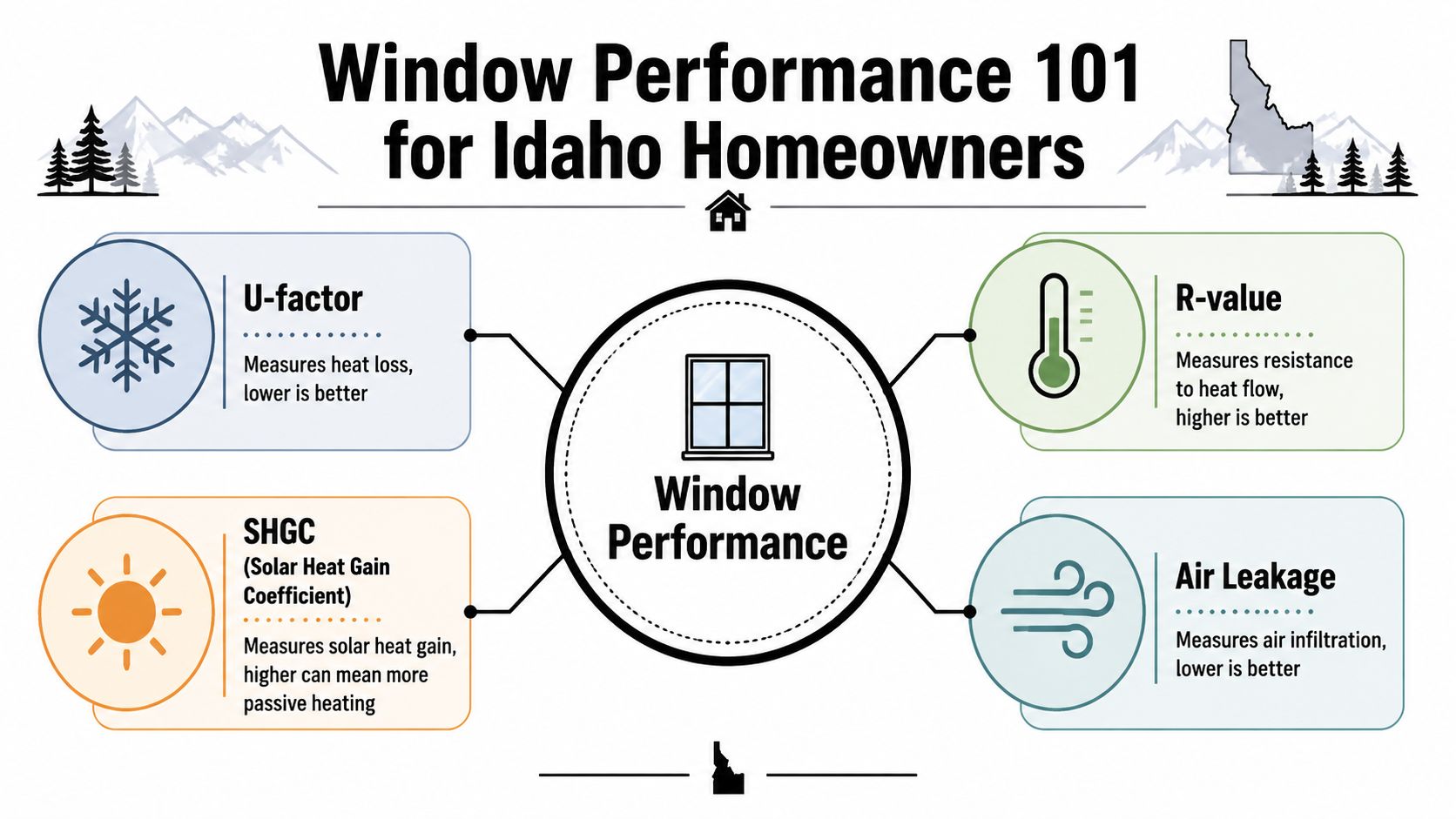
A window quote can look impressive and still miss the numbers that matter in a Boise winter. The labels worth reading are U-factor, R-value, SHGC, and air leakage. If you understand those four, you can sort past brochure language and judge whether you are paying for real comfort or just a nicer sales pitch.
U-factor is usually the first number to check
U-factor measures how quickly heat moves through the whole window. Lower numbers mean less heat loss.
For Idaho homeowners comparing double pane and triple pane, this is usually the spec with the most practical value because it lines up with what people feel in January. A lower U-factor usually means warmer interior glass, less cold radiation off the window, and a room that feels steadier near the opening. It also needs to be read as a whole-window number, not just a glass number. The frame, spacer, sash design, and installation details all affect the final result.
R-value matters, but homeowners rarely shop by it
R-value measures resistance to heat flow. Higher is better.
You can treat it as the inverse of U-factor. If one goes in the right direction, the other usually does too. Manufacturers and sales reps often lead with whichever number sounds stronger, but the core question stays the same. How well does the full window slow winter heat loss once it is installed in your house.
SHGC can help or hurt, depending on the side of the house
SHGC, or Solar Heat Gain Coefficient, measures how much of the sun's heat gets through the glass.
In the Treasure Valley, that matters more on some elevations than others. South-facing rooms may benefit from winter sun. West-facing glass can create overheating problems long before winter performance becomes the issue. A good window package balances cold-weather insulation with the amount of solar gain that makes sense for that room.
Low-E coatings and gas fill affect comfort more than many homeowners expect
Low-E coatings help reflect heat where you want it. In winter, that means keeping more indoor heat inside.
Gas fill also plays a role between the panes. If you are comparing packages, it helps to understand how argon gas windows perform in Idaho conditions and whether the upgrade is paired with a good frame and good installation. The extra pane gets the attention, but the coating package and gas fill often explain why one double pane unit performs better than another.
Air leakage is the spec that exposes weak installs and weak window design
A window can post respectable thermal numbers on paper and still feel drafty if air gets around the sash, frame, or rough opening. I see this in replacements all the time. Homeowners focus on pane count, but the comfort complaint is often air movement, not just conductive heat loss through the glass.
Practical rule: For an Idaho retrofit, whole-window performance matters more than the pane count alone. Glass, frame, spacer, and installation all have to work together if you want the payback to show up in both comfort and utility bills.
Double Pane vs Triple Pane A Head to Head Comparison
A side-by-side chart helps, but Boise-area homeowners usually care about two practical questions. Will the room feel better in January, and will the added cost earn its keep over time?
| Feature | High-Performance Double Pane | High-Performance Triple Pane |
|---|---|---|
| Glass layers | Two panes | Three panes |
| Typical thermal performance | Strong insulation for most Treasure Valley homes | Better insulation, especially during extended cold snaps |
| Typical comfort near the glass | Good with the right Low-E coating and gas fill | Better at reducing cold-glass sensation |
| Interior glass warmth in winter | Good | Better |
| Condensation resistance | Improved over older glass | Usually better in colder conditions |
| Noise reduction | Good | Better in many cases |
| Weight | Lighter | Heavier |
| Upfront cost | Lower | Higher |
What the third pane changes in real rooms
The biggest difference shows up in comfort at the edge of the room.
In a bedroom with a bed near the window, or a living room where someone sits next to a large fixed unit, triple pane usually keeps the interior glass warmer and cuts that cold-radiating feeling. The thermostat may read the same, but the room feels more even, especially early in the morning and after the sun goes down. That matters more in daily life than a spec sheet does.
Triple pane can also help in homes with a lot of glass, north-facing exposures, or rooms that already run cool in winter. Those are the projects where homeowners tend to notice the upgrade right away.
Where double pane still makes strong sense
A good double-pane unit is still the right answer for a lot of Idaho homes. I see that often in the Treasure Valley, especially when the existing windows are older aluminum units, failed seals, or builder-grade windows that leak air and feel cold year-round.
Double pane often makes sense when:
- The current windows are in bad shape: Replacing worn-out windows with a well-built double-pane unit can deliver a major jump in comfort.
- The house has bigger efficiency gaps elsewhere: If attic insulation, crawlspace insulation, or air sealing still need work, that money may return more than jumping from double to triple pane.
- The budget needs to cover more openings: In many homes, it is better to install quality double pane throughout the house than to cut corners on frame quality or installation just to afford triple pane in every opening.
- The window size or operation matters: Triple-pane units are heavier. That can affect hardware, sash feel, and long-term operation on some window styles.
Gas fill is part of that decision too. Homeowners comparing packages should look at how argon gas windows perform in Idaho conditions, because the space between panes, the coating package, and the spacer system all affect how a double or triple-pane window performs.
If the complaint is cold seating areas, chilly bedrooms, or discomfort near larger windows, triple pane often earns the extra cost. If the complaint is old, drafty, failing windows across the whole house, a quality double-pane replacement is often the better value.
Why the Payback Period Depends on More Than Just Glass
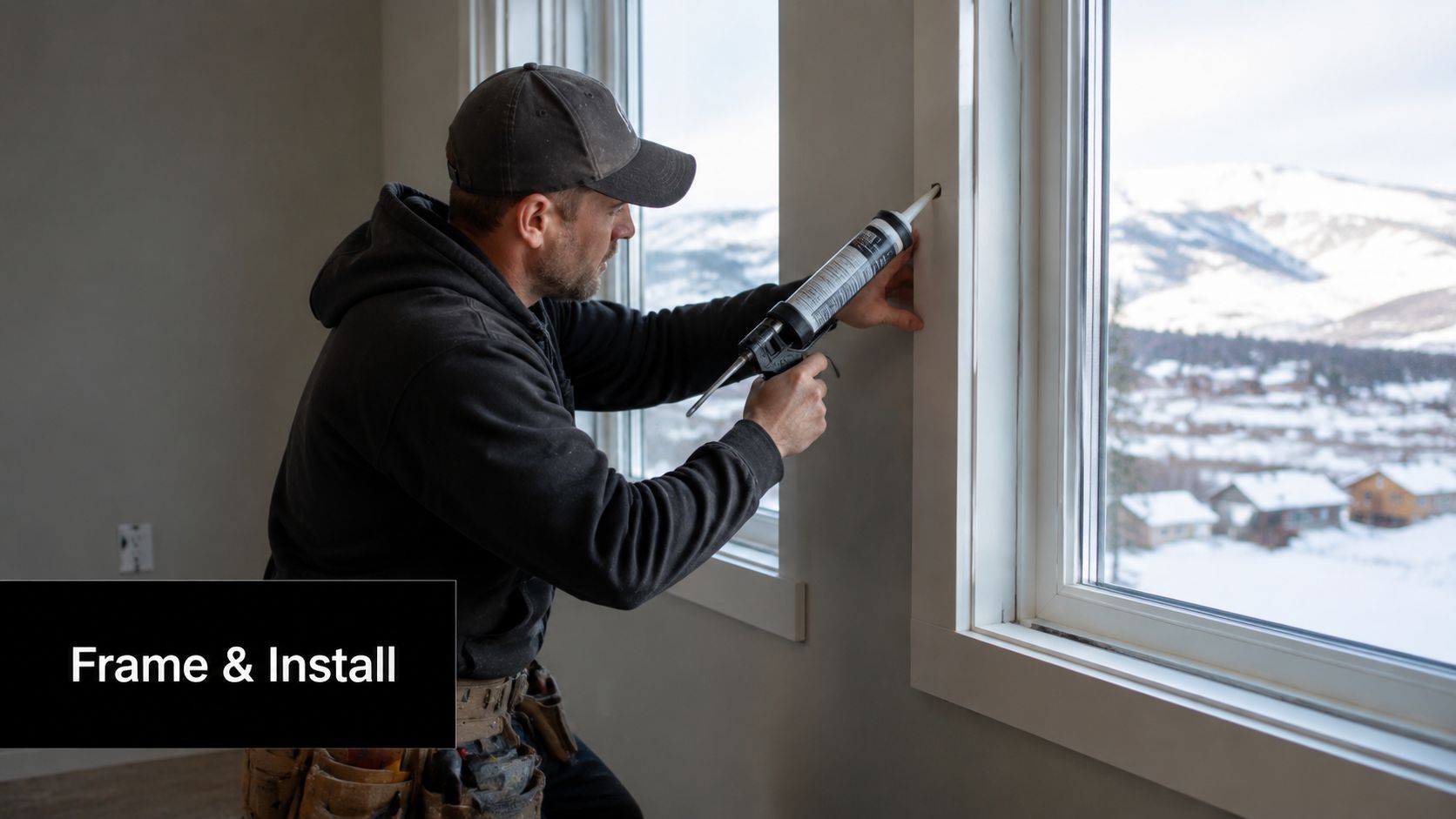
The biggest mistake homeowners make is treating the glass package as the whole product. It isn't. The frame, the spacer system, the sash design, and the installation all affect whether the performance on paper turns into comfort in the house.
Neutral guidance on this point is refreshingly honest. Triple-pane windows do have lower U-factors than double-pane units and can improve comfort, but the energy savings still have to be weighed against the higher upfront cost. That same guidance also notes that double-pane can still be the better value for many homes, and the economic advantage depends heavily on utility rates, house tightness, and how much of the heating load is lost through windows instead of walls, attic, or infiltration, according to this neutral review of double-pane versus triple-pane payback.
Poor installation can erase expensive upgrades
A heavy triple-pane unit installed into an out-of-square opening, sealed poorly, or paired with a weak frame won't deliver what the homeowner paid for. In older homes, that problem shows up fast. The window may operate poorly, leak air at the perimeter, or create comfort complaints that people wrongly blame on the glass itself.
Payback calculations become critical. If the home is losing a lot of heat through attic bypasses, recessed penetrations, rim areas, or general infiltration, the extra investment in triple pane may not move the needle as much as expected.
The whole window system is what performs
When evaluating windows for Idaho winters, pay attention to more than pane count:
- Frame quality: Better frames help the glass package do its job.
- Air sealing at installation: This often changes comfort more than homeowners expect.
- Drainage and water management: A good sill and proper flashing protect long-term performance.
- Hardware and sash design: These affect compression, operation, and draft resistance.
If you're trying to connect replacement decisions to actual winter utility costs, it helps to review how new windows can affect heating bills in Idaho.
A triple-pane upgrade pays back best when the windows are a meaningful part of the problem. It pays back poorly when the house is leaking heat everywhere else.
When Triple Pane Is Worth It in the Treasure Valley
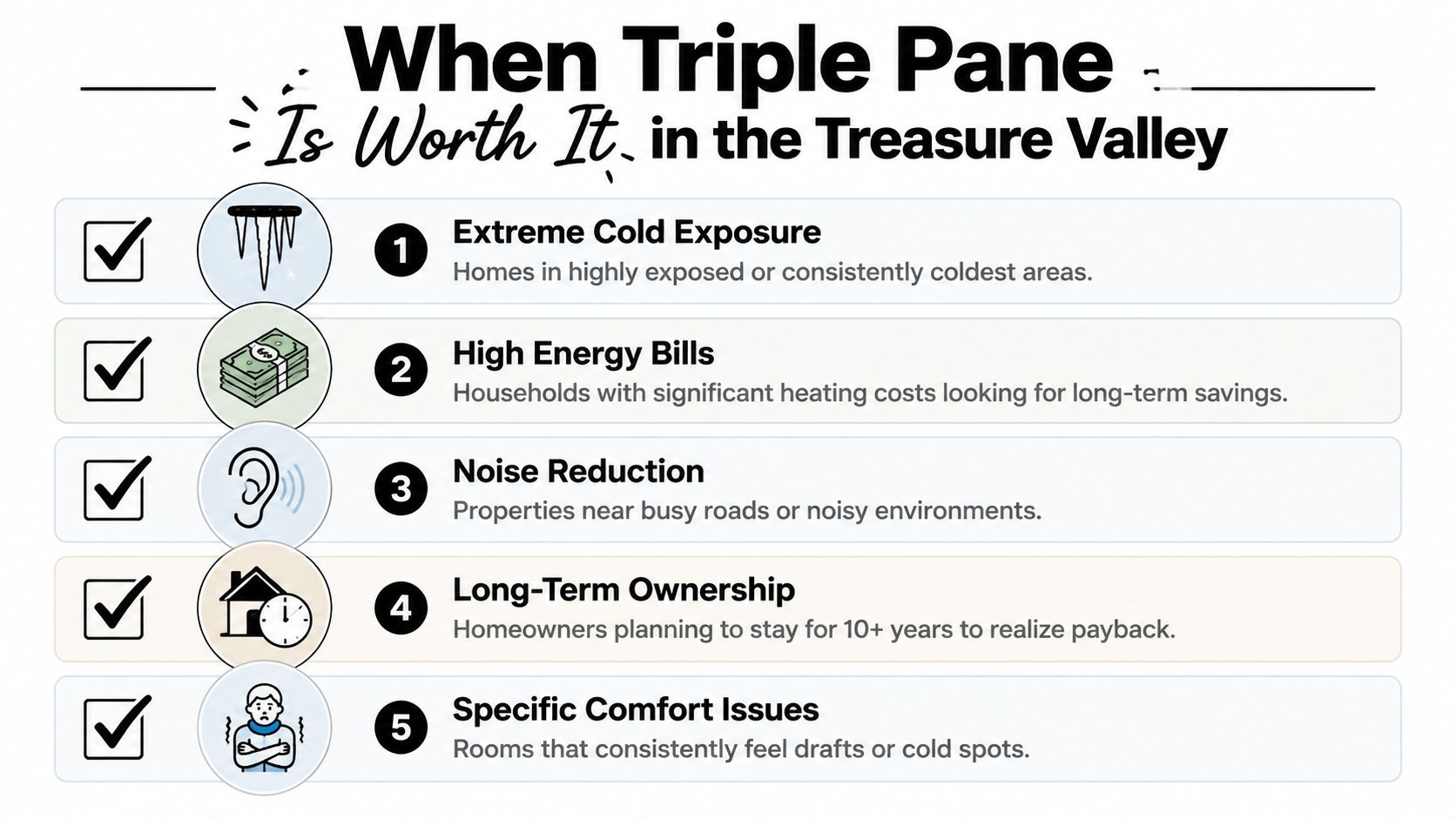
Triple pane is not the automatic answer for every Boise-area home. But there are situations where it makes clear sense, both for comfort and for long-term value.
A rigorous field study from Pacific Northwest National Laboratory found that triple-pane windows reduced winter heating energy use by an average of 12% during one 10-week evaluation period, with some homes saving up to 28%, as reported in PNNL's field study on triple-pane window performance. That doesn't mean every house in Boise will see the same outcome, but it confirms the improvement can be material under cold-season conditions.
Homes that usually benefit most
Some conditions favor triple pane much more than others.
- Large north-facing glass areas: These windows don't get much winter solar help, so insulation matters more.
- Wind-exposed homes: Open lots and exposed elevations make cold-weather comfort tougher to maintain.
- Bedrooms near traffic or activity: Triple pane often helps when the goal includes sound control, not just thermal performance.
- Long-term ownership plans: The longer you expect to stay, the easier it is to justify paying more for better comfort and lower heat loss.
- Rooms with persistent cold complaints: A bonus room, office, or living area that always feels colder than the rest of the house is often a smart place to prioritize triple pane.
The mixed-glass strategy often makes the most sense
One of the better real-world approaches is not all double pane or all triple pane. It's selective upgrading.
A homeowner might use triple pane on the north side, the windward side, or in key bedrooms and living spaces, then use high-performance double pane in less demanding areas. That kind of mix can balance comfort, acoustics, and budget better than a one-size-fits-all package.
For many local homes, that's the most practical answer to the Double Pane vs Triple Pane Windows Idaho Winters question. The best product mix depends on exposure, room use, and how the house feels during January and February.
If you want a narrower look at cold-weather performance, this resource on triple-pane windows for Idaho winters is a helpful next read.
The right question isn't “Is triple pane better?” The right question is “Where in this house will triple pane earn its keep?”
Get the Right Windows for Your Idaho Home with C&C
A good recommendation starts inside the home, not from a generic price sheet. Every Treasure Valley house has its own mix of exposures, glass area, room usage, and existing construction details. That's why the right replacement plan usually comes from an in-home evaluation with actual measurements and a look at where the comfort complaints are happening.
For homeowners who are trying to reduce cold spots and make winter heating costs more predictable, there is a practical case for going beyond standard double pane in the right situations. One industry guide reports that triple-pane windows can reduce annual heating and cooling costs by 10 to 15% compared with standard double-pane options, while also improving noise reduction and reducing cold spots near the glass, according to this guide on triple-pane comfort and operating-cost advantages in snowy climates.
What a homeowner should expect from the process
A strong window project should be simple to understand and specific to the house. That means:
- In-home assessment: The contractor should evaluate room orientation, opening condition, and where comfort problems are occurring.
- Custom measurements: Good fit matters. Guesswork creates headaches later.
- Clear product guidance: You should hear when double pane is enough and when triple pane is worth the extra spend.
- Clean installation practices: Debris control, careful sealing, and finish work matter.
Why local experience matters in Idaho
Treasure Valley homes deal with winter cold, dry air, direct sun, and varied exposure from one neighborhood to the next. A local team sees the same recurring patterns. North-facing picture windows in one subdivision may need a different approach than a sheltered home with modest glass area in another.
That local judgment matters more than brochure language. The best outcome is usually not “the most expensive window.” It's the window package that fits the house and gets installed carefully enough to perform like it should.
Frequently Asked Questions About Idaho Window Replacement
A lot of Boise-area window decisions get made one room at a time. That is usually the right approach. A north-facing bedroom with cold glass in January does not need the same package as a sunny back room that stays comfortable all winter.
That is also why the double-pane versus triple-pane question is not really about glass alone. The better question is what gives you the best comfort and payback in your specific openings.
Common questions that deserve straight answers
| Question | Answer |
|---|---|
| Is triple pane always worth it in Idaho? | No. Triple pane earns its keep in rooms with cold winter exposure, bigger glass areas, or outside noise. In many homes, a well-built double-pane window with the right frame and a careful installation is the better value. |
| Can I mix double pane and triple pane in one house? | Yes. A mixed package is common in practical window plans. Homeowners often spend more on the coldest or noisiest rooms and use high-performance double pane elsewhere, as discussed in this comparison of triple-pane cost, weight, and mixed-use strategies. |
| Does triple pane weigh more? | Yes. Extra glass adds weight. That can change how the unit handles, what hardware is needed, and how much installation labor is involved, especially on larger operable windows. |
| Will new windows fix every draft problem? | No. Some draft complaints come from wall penetrations, attic bypasses, recessed lights, old weatherstripping on doors, or poorly sealed trim. New windows help where the openings are the problem, but they do not fix the whole house by themselves. |
| What matters most on the quote? | Compare the full package. Look at frame quality, spacer system, low-E glass package, air sealing details, installation method, and whether the contractor is addressing the condition of the existing opening. |
| Will triple pane pay for itself quickly? | Usually not through utility savings alone. In the Treasure Valley, the payoff often comes from better comfort near the glass, fewer cold spots, and lower outside noise, with energy savings as part of the picture instead of the whole reason to buy. |
A short checklist before you buy
- Ask which rooms are driving the upgrade: Cold bedrooms, large living room windows, and street-facing rooms often justify the extra cost faster than sheltered spaces.
- Review the whole window system: Glass matters, but frame performance and installation quality often decide whether the window feels good in January.
- Match the package to your timeline: If you plan to stay in the house for years, comfort and lower operating costs carry more weight. If you expect to move soon, a strong double-pane option may make better financial sense.
- Use your problem rooms as a guide: The rooms you avoid sitting in during winter usually show where the best return is.
If you want an honest recommendation for your home, C & C Windows & Doors offers free in-home consultations across the Treasure Valley. They'll measure your openings, evaluate where your winter comfort issues are really coming from, and help you decide whether high-performance double pane, triple pane, or a mix of both makes the most sense for your house.