
A lot of Treasure Valley homeowners start thinking about replacement windows at the same moment every year. It happens on a cold Boise night when you feel a draft near the couch, or in the middle of a hot Meridian afternoon when the AC keeps running and the room by the windows still won't settle down. You can live with old windows for a long time, right up until another Idaho season reminds you what they're costing in comfort.
That's where casement windows Idaho homes conversations usually get serious. Not because they're trendy, but because they solve problems that show up here over and over: wind, temperature swings, dust, smoke, and the need for better sealing without giving up natural light or views.
Table of Contents
- Are Your Windows Ready for Another Idaho Season?
- What Makes a Casement Window Different
- Built for Idaho Weather Performance and Energy Savings
- Casement vs Sliding and Double-Hung Windows
- Upkeep and Longevity of Casement Windows
- The Cost and Long-Term Value of Casement Windows in Idaho
- Finding a Professional Window Installer in the Treasure Valley
Are Your Windows Ready for Another Idaho Season?
In this area, windows don't get a mild assignment. They have to handle winter cold, summer heat, spring wind, and long stretches where dust and smoke become part of daily life. A window that seems “fine” in a showroom can feel very different after a few seasons in Boise, Eagle, or Nampa.
I've seen the same pattern for years. A homeowner gets used to a stiff slider, a bedroom that's always colder than the rest of the house, or a living room window that rattles a little when the wind picks up. Then one season tips it over from annoyance to upgrade.
Casement windows have moved into that conversation for a reason. They're projected to grow at the fastest 4.5% CAGR in the U.S. single-family windows market through 2033, a projection tied in part to how well their sealed design fits climates with sharp temperature changes like Idaho, according to Grand View Research on the U.S. windows market for single-family homes.
Field observation: Most homeowners don't ask for a “casement” first. They ask for less draft, less outside air getting in, and a window that feels solid when it's shut. Casement is often the style that answers that request.
There's also a visual reason people lean this way. Casements give you a cleaner glass area than many divided sliding designs, which matters when your home looks out toward foothills, open lots, or backyard views you want to keep visible.
If your current windows are loose, noisy, hard to latch, or never seem to seal the same way twice, another Idaho season is going to make those weaknesses obvious again.
What Makes a Casement Window Different
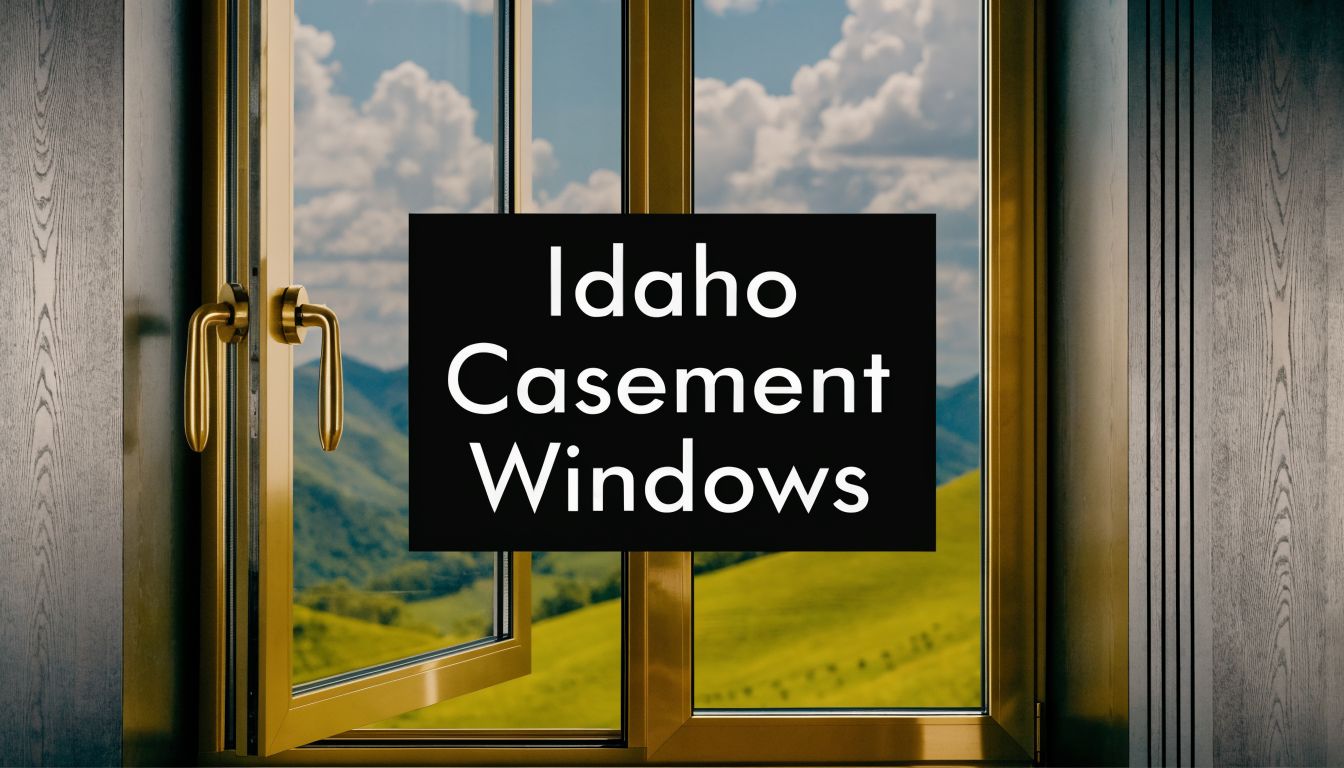
A casement window is side-hinged and opens outward. Most operate with a crank, though some use other hardware. That simple difference changes almost everything about how the window seals, ventilates, and feels in daily use.
The key term is compression seal. When you close and lock a casement, the sash pulls tightly into the frame. Think of it more like a refrigerator door than a sliding panel. Instead of relying on pieces that move past each other on a track, it presses into weatherstripping around the perimeter.
According to Renewal by Andersen's casement window guide, casement windows are one of the best-performing operable styles because the sash compresses tightly against the frame when locked, which reduces air infiltration compared with sliding or double-hung designs.
How the mechanics help
Three parts matter most:
- The hinge side: This lets the sash swing outward instead of sliding in a channel.
- The operator: The crank gives controlled opening and closing, which is useful over sinks, counters, and harder-to-reach spots.
- The locking system: When engaged, it draws the sash firmly into the weatherstripping.
That last part is what homeowners feel on a cold day. A loose slider may still close. A good casement should feel seated.
A window can have good glass and still disappoint if the sash-to-frame seal is weak. Style alone doesn't do the job. The whole unit has to close tightly and stay aligned.
What homeowners usually notice first
Casements feel different in use. They don't just move. They cinch shut.
That gives them a few practical advantages:
- Cleaner airflow control: You can crack them slightly or open them fully.
- A more open view: There's less interruption from meeting rails or sliding overlap.
- A firmer shut position: Homeowners often describe them as feeling more sealed and secure.
There are trade-offs. The hardware has moving parts that need occasional care, and because the sash opens outward, placement matters around walkways, patios, and tight exterior spaces. In the right spot, though, the design is hard to beat for performance-minded homeowners.
Built for Idaho Weather Performance and Energy Savings
Idaho weather exposes window weaknesses fast. A little leakage in a mild climate turns into a very noticeable draft here. If you want one reason casements work so well in this market, it's this: they close in a way that helps the whole home hold steadier through wind, cold snaps, and summer heat.
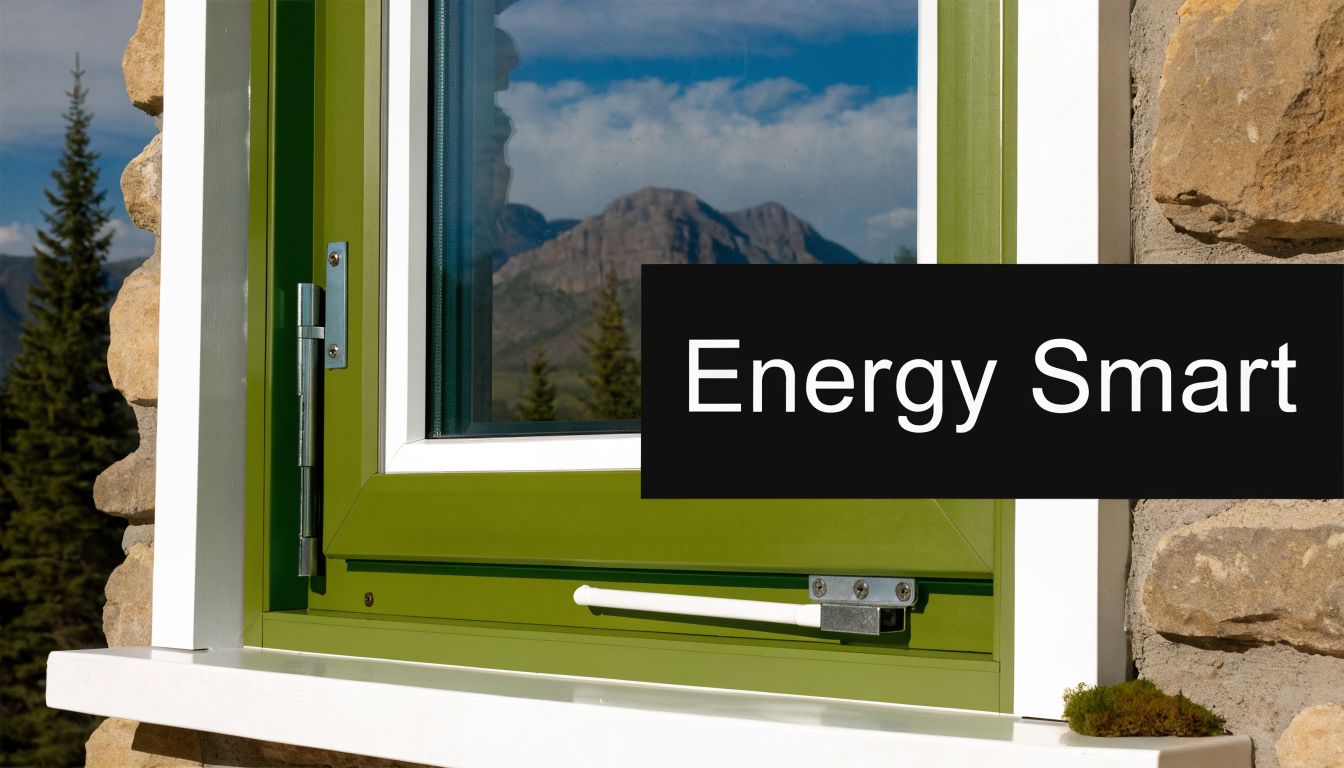
Why the seal matters in real homes
In Treasure Valley homes, comfort problems usually show up room by room. The upstairs west-facing bedroom overheats. The family room near a large opening feels cool in winter. The office by the front of the house gets wind pressure and starts feeling drafty before the rest of the house does.
Casements help because the sash is pulled into the frame when locked. In practical terms, that means fewer weak points around the edges than you get from styles built around sliding interfaces.
That performance matters even more when you match the style with the right glass package and frame. Low U-factor, Low-E glazing, gas fill, and a solid installation do more than the window style alone. If you're looking at a local window replacement company in Boise, ask them to talk through the full unit performance, not just the operating style.
Here's what tends to work best in Idaho homes:
- Cold or exposed rooms: Casements paired with a stronger insulating glass package usually perform better than older builder-grade units that leak around the sash.
- Wind-prone sides of the home: A tighter perimeter seal helps cut that “moving air” feeling near seating areas and beds.
- Homes with older single-pane windows: The upgrade is often felt first in comfort, then in how often the HVAC has to fight the outside temperature.
Smoke dust and shoulder-season ventilation
Idaho homeowners also deal with something generic window articles usually skip. Air quality. During wildfire smoke season or dusty stretches, the window that performs best isn't just the one that opens nicely. It's the one that seals tightly when it's closed.
According to Kingdom Vision's Boise-area window style discussion, the tight seal of a closed casement window is a significant advantage for indoor air quality during Idaho's wildfire smoke and dust seasons.
That doesn't mean you throw windows open whenever you want. It means you use them more intentionally.
- When outdoor air is poor: Keep the units closed and let the tighter seal do its job.
- When conditions improve briefly: Open for controlled purge ventilation, then shut them back down.
- When you want spring and fall airflow: Casements can open fully and catch cross-breezes better than many styles, so you can air out the house without opening every unit wide.
Practical rule: In Idaho, a window should do two jobs well. It should seal hard when the outside air is bad, and ventilate effectively when the outside air is worth bringing in.
That combination is why casements fit this climate so well. They're not just about energy efficiency in the abstract. They address the actual things homeowners in Boise, Meridian, Eagle, and nearby communities deal with every year.
Casement vs Sliding and Double-Hung Windows
Most homeowners aren't choosing casements in a vacuum. They're comparing them with sliders and double-hungs because those are the styles they already have, or the ones they're used to seeing. The right choice depends on the room, the exposure, and what matters most to you.
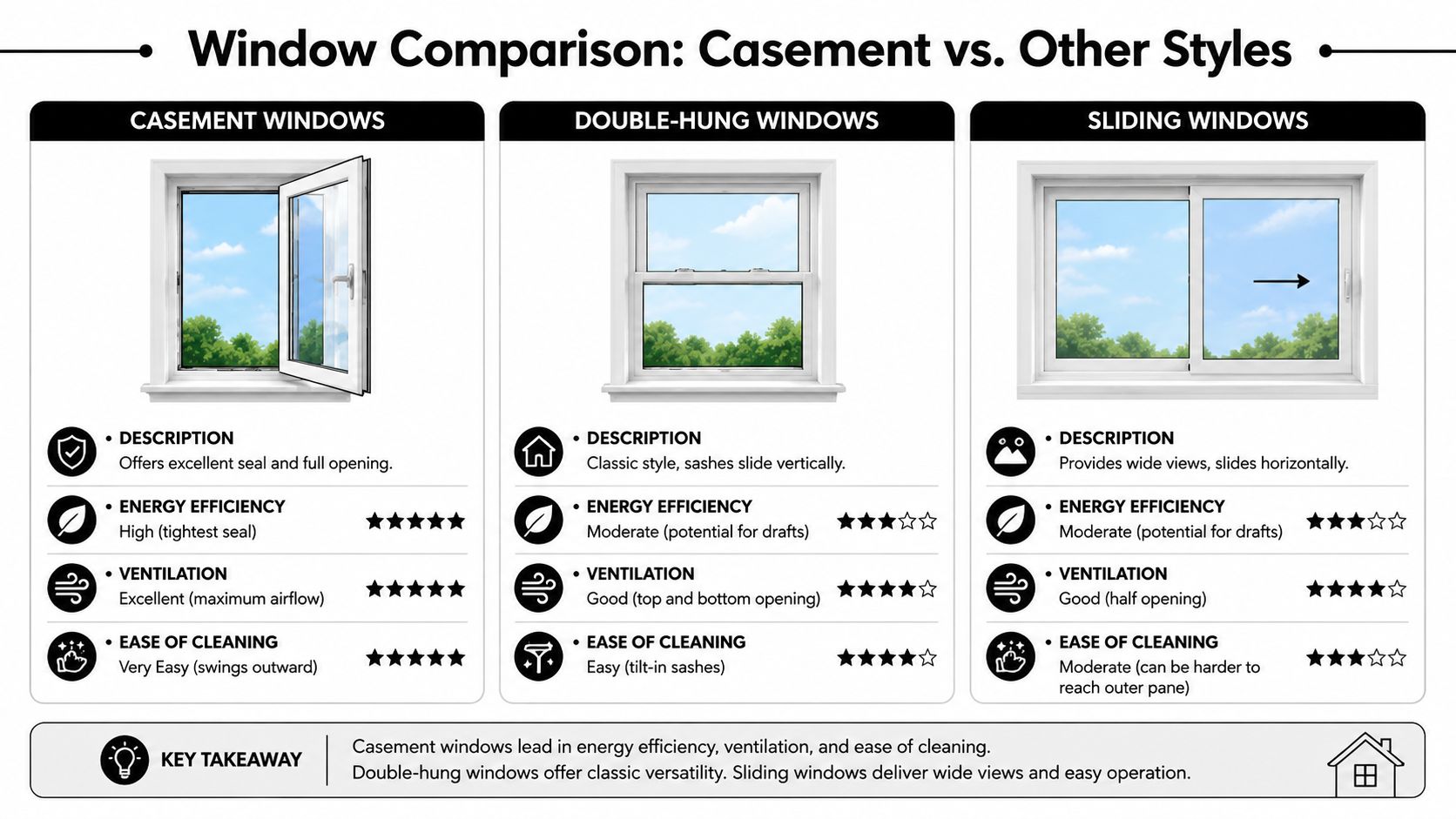
Side-by-side trade-offs
The biggest separator is air sealing. Casements generally have the advantage because the hardware pulls the sash into the weatherstripping around the entire perimeter. Derchi's comparison of casement and double-hung energy performance notes that some comparisons show up to 20% lower energy loss for casements versus standard windows, though results depend on climate, existing condition, and the replacement specification.
Here's the practical comparison homeowners usually need:
| Window style | Where it tends to win | Where it gives ground |
|---|---|---|
| Casement | Air sealing, breeze capture, open view, solid shut feel | Needs exterior clearance, hardware needs periodic care |
| Double-hung | Traditional look, familiar operation, works well where outward swing is a problem | Harder to seal as tightly because of sliding interfaces |
| Sliding | Good for wide openings, simple operation, common in many ranch homes | Usually not the strongest performer for tight sealing over time |
If your priority is performance, casements usually rise to the top. If your priority is keeping an existing architectural look or avoiding outward swing, another style may make more sense in certain rooms.
Which style works best in which room
Many projects go wrong during this stage. Homeowners try to use one style everywhere when the smarter move is matching the window to the room.
- Kitchen sink areas: Casements are often easier to operate because you're turning a crank instead of lifting a sash in an awkward position.
- Bedrooms facing wind or weather: Casements often feel tighter and calmer when fully shut.
- Wide horizontal openings: Sliders still make sense where the opening shape naturally favors them.
- Front elevations on traditional homes: Double-hungs may fit the look better, even if they give up some sealing performance.
For homeowners comparing options, looking at actual double-hung window replacements in Boise next to casement designs can help clarify whether aesthetics or air sealing should lead the decision in each room.
If you want one window style that solves the most Idaho-specific comfort issues, casement usually gets the nod. If you want every room to look exactly like the original home, double-hung may still have a place.
One more point that often gets overlooked is ventilation quality. A slider opens only part of the total unit. A casement can open fully and can catch side breezes better. In spring and fall, that makes a real difference in how quickly a room clears out stale air.
Upkeep and Longevity of Casement Windows
Casement windows aren't high-maintenance, but they do reward basic upkeep. If you ignore the hardware for years, let dirt build up in the hinges, or keep forcing a unit that's gone slightly out of alignment, you'll shorten its service life.
The good news is that routine care is straightforward. Modern vinyl frames are especially practical for Idaho homes because they don't need scraping or repainting, and they handle moisture better than many older wood units as long as the installation and drainage details were done correctly.
What to maintain once or twice a year
A simple maintenance routine goes a long way:
- Clean the weatherstripping: Dust and grit collect there first. Wipe it gently so the sash can seat cleanly.
- Check the crank operation: It should move smoothly without binding or grinding.
- Inspect hinges and fasteners: Look for looseness, sagging, or signs the sash isn't closing square.
- Wash the frame and sill area: Idaho dust settles everywhere, and buildup can affect operation over time.
A lot of homeowners are pleasantly surprised by cleaning access. In many layouts, casements are easier to manage than people expect because the sash opens in a way that gives better reach to the glass and frame.
What shortens service life
Most premature wear comes from a few avoidable habits.
- Forcing the crank when the sash is blocked by debris or pressure.
- Ignoring early signs of misalignment.
- Letting sprinkler overspray hit the frame and sill constantly.
- Treating a poor install like a hardware problem.
Hardware problems often start as installation or adjustment problems. If a casement suddenly gets harder to lock, don't keep muscling it shut. Have the alignment checked.
A properly built and properly installed casement should keep its shape, shut firmly, and operate smoothly for years. But “properly installed” matters as much as the brand stamped on the glass spacer.
The Cost and Long-Term Value of Casement Windows in Idaho
Casement windows usually aren't chosen because they're the cheapest line item on a proposal. They're chosen because they often make more sense over the life of the home, especially where comfort and sealing matter.
Price depends on the basics first. Size, frame material, color, hardware finish, glass package, and whether you're going with double- or triple-pane all affect the final number. Installation complexity matters too. A clean replacement into a sound opening is one thing. Correcting hidden framing issues, trim problems, or water damage is another.
What changes the price
The biggest cost drivers are usually these:
- Glass upgrades: Low-E coatings, gas fills, and higher-performance packages cost more up front.
- Window size and shape: Large units and specialty shapes require more material and sometimes more labor.
- Exterior and interior finish work: Trim conditions can turn a routine job into a detailed one.
- Access: Second-story openings, tight landscaping, and masonry details can all add labor.
That's why cheap quotes can be misleading. Sometimes the number is low because important work got left out.
Where the value shows up over time
The return isn't only on a utility bill. It also shows up in resale appeal, daily comfort, quieter rooms, and fewer problem spots around the house.
The broader casement window market reflects that value. Research and Markets on the global casement windows market reports that homes upgraded with quality casement windows typically return 70-80% of their replacement cost at resale.
That resale figure matters, but it's not the only reason to do the project. Homeowners usually notice value in this order:
- The house feels more even. Rooms stop swinging so hard between hot and cold.
- Problem windows stop being daily annoyances. They open, close, and latch the way they should.
- The home presents better. Inside and out, new windows clean up the look of the property.
If you plan to stay put, the comfort side may matter most. If you may sell in a few years, the curb appeal and buyer perception of energy-efficient upgrades carry more weight. Either way, it makes more sense to evaluate casements as a long-term building upgrade than as a simple cosmetic purchase.
Finding a Professional Window Installer in the Treasure Valley
A good window can underperform when the installer cuts corners. In Idaho, that usually shows up as drafts around the frame, trim issues, drainage problems, or hardware that never feels quite right from day one. The product matters. The install matters just as much.
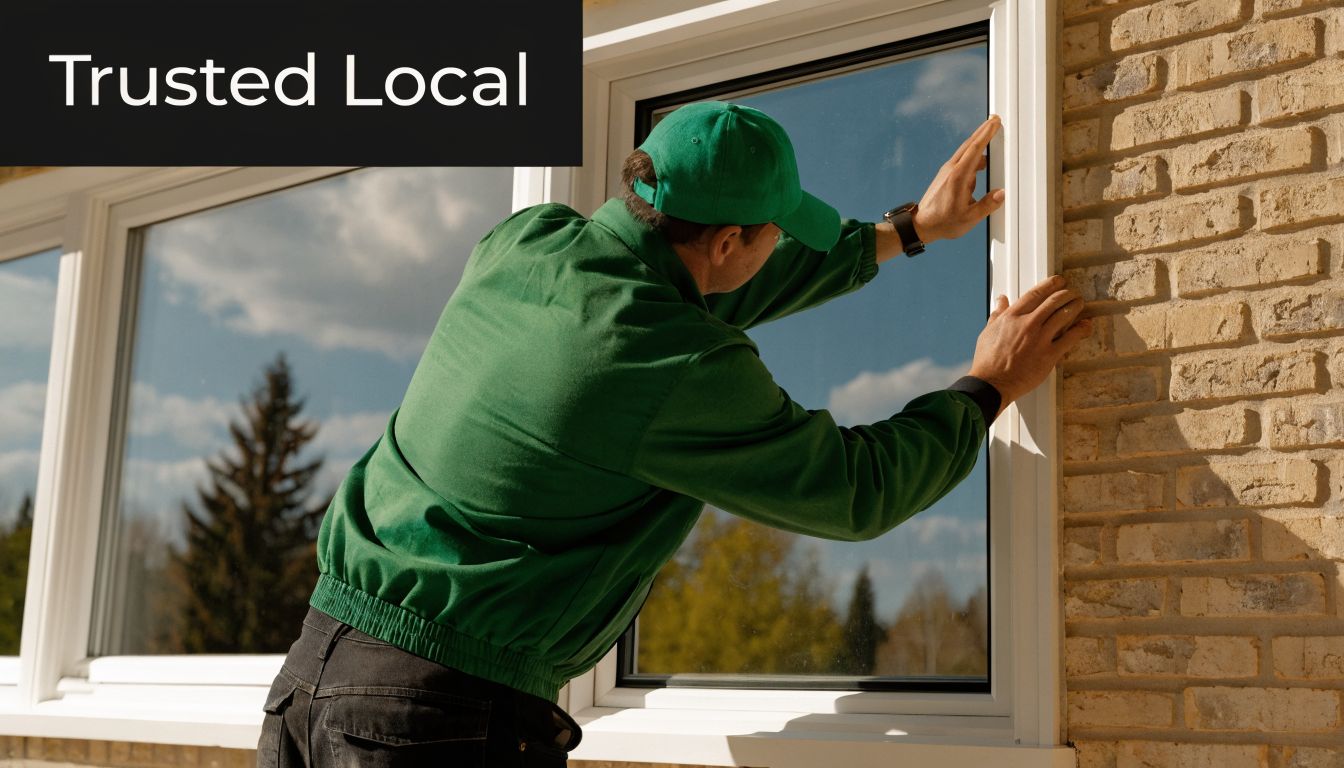
What a good installer does before the order
You want a company that measures the actual opening and discusses the room, orientation, and performance goals. Not just someone who drops off a quick number and disappears.
A solid checklist looks like this:
- In-home consultation: They inspect the current units, note problem areas, and ask how the rooms behave in summer and winter.
- Custom measurements: They measure for your openings instead of pushing stock sizes and filler-heavy solutions.
- Performance discussion: They explain frame options, glass packages, and what fits Idaho conditions.
- Clear scope of work: You know what happens to trim, sealant lines, interior protection, and debris removal.
If you're evaluating local companies, a Treasure Valley window installer should be able to explain their process in plain language. C & C Windows & Doors is one Boise-based option that provides in-home consultations, custom measurements, and factory-trained installation for replacement window projects in this market.
What to expect on installation day
Professional crews don't treat window replacement like rough demo work. They protect floors, remove units carefully, verify fit before final fastening, and leave the opening clean and properly sealed.
Watch for these signs of a careful crew:
- They check operation before finishing trim. A casement should crank smoothly and lock without strain.
- They pay attention to seal details. Sloppy sealing work causes callbacks.
- They clean as they go. Good crews don't leave hardware parts, old sealant, and trim scraps all over the property.
- They walk the project with you at the end. You should understand operation, care, and warranty coverage before they leave.
Don't judge an installer by the sales pitch. Judge them by measurement discipline, fit-and-finish standards, and whether the finished unit operates correctly the first time.
Warranties matter too, but only if the company stands behind labor as well as product. Ask who handles service if a sash needs adjustment later, and how warranty calls are resolved.
If you're weighing casement windows for your Boise-area home, C & C Windows & Doors offers in-home consultations for Treasure Valley homeowners who want to compare styles, review performance options, and get a clear plan for replacement windows built for Idaho conditions.