
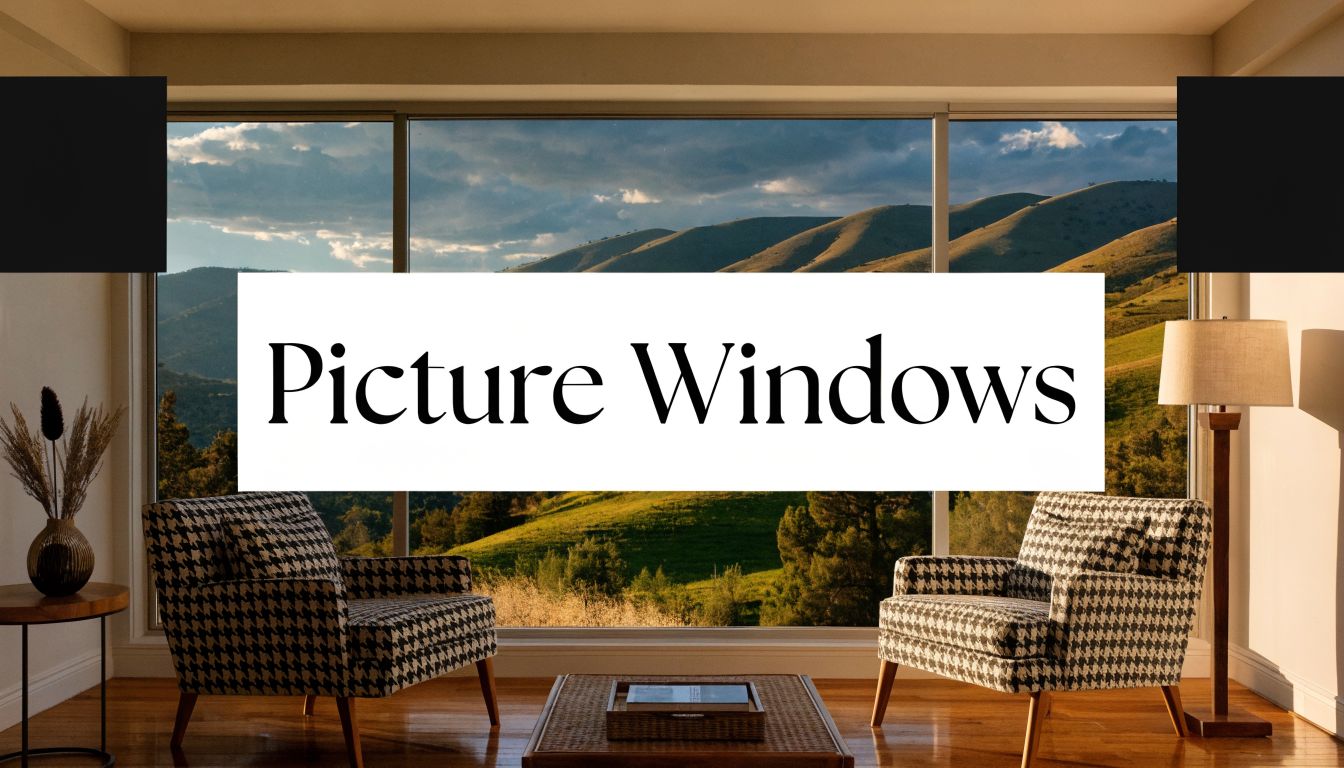
You can tell when a Treasure Valley home wants a bigger view. The living room faces the foothills, the backyard opens toward a long western sunset, or the stair landing catches morning light, but the existing windows chop that scene into pieces. Old grids, bulky frames, and drafty glass turn what should feel open into something dim, cold in January, and overheated by late afternoon in July.
That's why picture windows keep coming up in Boise, Meridian, Eagle, and the rest of the valley. Homeowners want more glass, cleaner sightlines, and better comfort at the same time. The good news is that modern picture windows can do all three if they're selected for our climate and installed carefully.
Table of Contents
- Framing the Perfect View Your Treasure Valley Home Deserves
- Beyond the Glass A Look at Picture Window Basics
- Unlocking Energy Savings and Curb Appeal in Boise & Meridian
- Decoding Low-E Argon Gas and Triple Pane Glass
- Sizing Framing and Professional Installation Explained
- Investing in Your Home's Value and Comfort
- Your Picture Window Questions Answered
Framing the Perfect View Your Treasure Valley Home Deserves
A lot of homeowners start in the same place. They're standing in their own house, looking past a dated window unit, and realizing the view outside is better than what the glass is allowing them to enjoy. In north Boise that might be the foothills. In Eagle it might be a wide backyard and evening light. In Kuna or Star, it may be open sky and long sightlines that deserve more than a small divided opening.
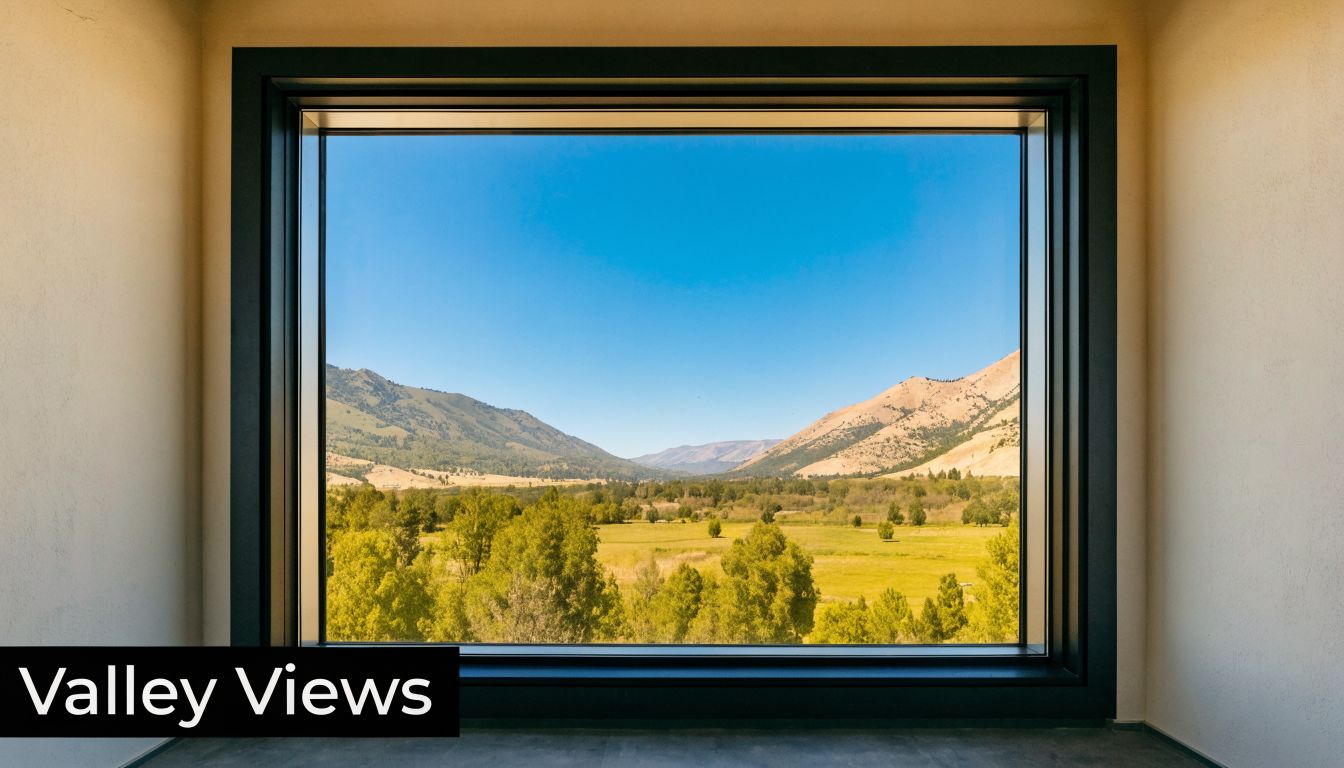
A picture window solves that problem differently than most replacement windows. It doesn't try to do everything. It focuses on one job and does it well. It opens up the wall visually, pulls in more daylight, and gives the room a quieter, more architectural feel.
Many people still assume picture windows are old-fashioned or too limited for modern homes. That hasn't been the case in current residential work. A 2026 industry summary on picture window demand says custom home builders specified picture windows in 65-70% of projects, while production home builders used them in 40-45% of new homes built between 2023 and 2026. In the same summary, picture window sales and installations were reported to have grown 15-20% annually since 2020. That matters in a region where newer homes and updated remodels are a large part of the local market.
Why they fit Treasure Valley homes
Treasure Valley homes often benefit from a large fixed unit in places where the view matters most:
- Great rooms: A broad central window can anchor the main living space.
- Stair landings: Fixed glass brings in light without adding operation where it isn't needed.
- Vaulted walls: High glass can make a room feel taller and brighter.
- Dining areas facing the yard: A clearer opening improves both daylight and backyard connection.
The right picture window doesn't feel like extra glass. It feels like the room was finally aligned with the lot.
That's why picture windows for Treasure Valley homes keep making sense. They're not a novelty. They're a practical design move for houses that need better light, a stronger outdoor connection, and a window package that looks current.
Beyond the Glass A Look at Picture Window Basics
A picture window is a fixed window, which means it doesn't open. That sounds simple, but the fixed design is the whole reason it performs differently from sliders, double-hungs, or other operable units.
Think of it as a sealed frame built to hold a view. There's no sash moving up and down. No crank hardware. No weatherstripping interface that has to compress perfectly every time the unit closes. That simpler construction is what makes it useful in a climate like ours.
What a picture window is and what it isn't
It is:
- A non-operable glass unit designed for light, view, and thermal performance
- A strong anchor window in a larger wall layout
- A good fit where ventilation can come from nearby operable windows
It isn't:
- A replacement for every window in the house
- A ventilation window
- A shortcut around glazing choices, because the glass package still matters
A lot of the best layouts use a picture window in the middle with operable units on one or both sides. That gives you the wide glass area where you want it and airflow where you need it.
Why fixed windows seal better
The non-operable design is the key performance advantage. ENERGY STAR's picture window guidance summarized here notes that picture windows' simple, non-operable design makes them their most energy-efficient windows because the tight seal eliminates air leaks and drafts that affect operable units with moving parts.
That lines up with what installers see in the field. The fewer moving parts a window has, the fewer opportunities there are for infiltration, adjustment issues, or wear over time.
Practical rule: Use picture windows where you want the biggest view and the tightest seal. Add ventilation with nearby casements or other operable units instead of forcing every opening to do both jobs.
For many Treasure Valley homes, that means the fixed unit belongs in the center of the composition. The venting windows belong at the edges, where they can work without breaking up the main sightline.
Where they work best
Picture windows usually make the most sense in spaces where people spend time looking outward, not reaching for a latch. Common examples include living rooms, breakfast nooks, bonus rooms, and stairwells. They also work well in front elevations where a clean pane of glass strengthens the architecture instead of cluttering it.
That's the basic idea. A picture window isn't “just a big window.” It's a deliberate choice to prioritize view, daylight, and airtightness in the places where those benefits matter most.
Unlocking Energy Savings and Curb Appeal in Boise & Meridian
A lot of Treasure Valley homeowners start with the view, then realize the bigger issue is comfort. In July, west-facing glass can overheat a room by late afternoon. In January, the same opening can feel chilly even when the furnace is running. A well-built picture window helps on both fronts while also cleaning up the look of the house.
More glass, less visual clutter
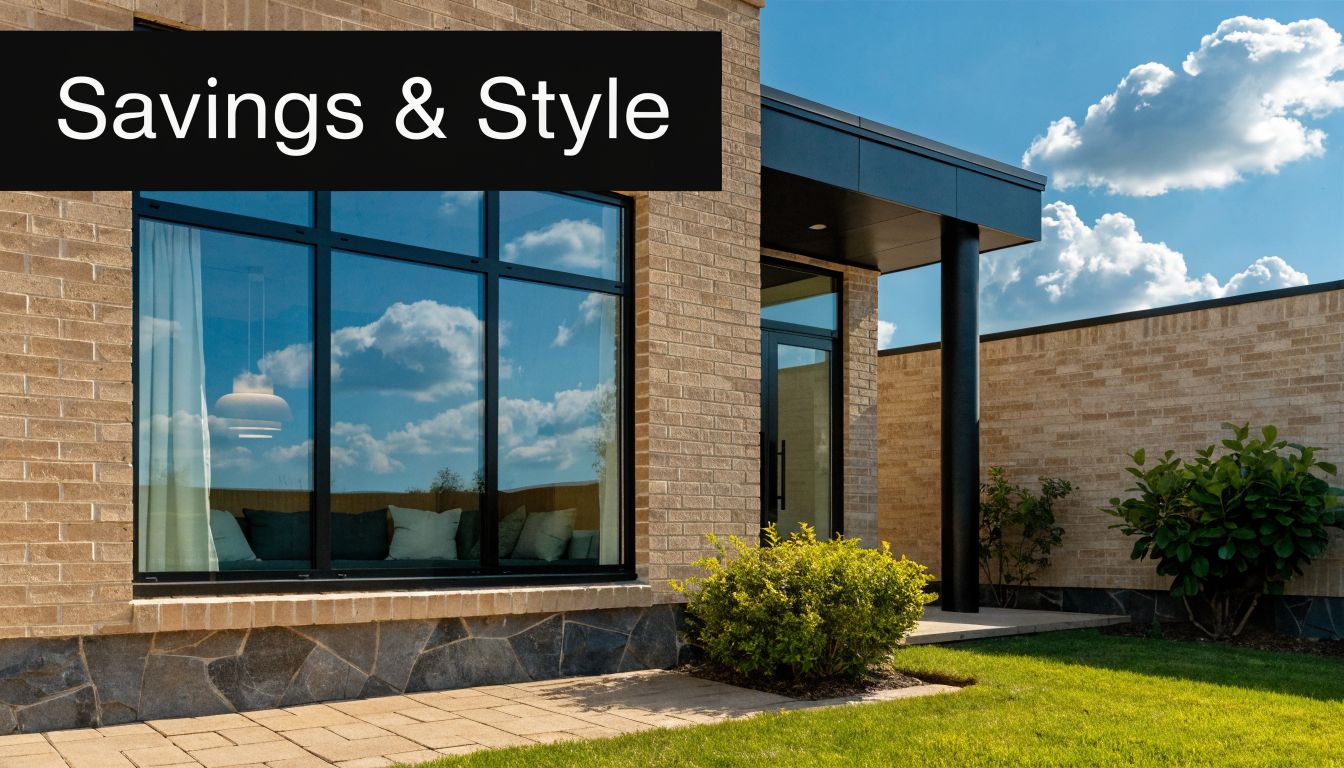
The visual benefit is straightforward. A fixed window removes meeting rails, extra sash lines, and the chopped-up look that older units often create. You get a broader glass area and a cleaner sightline, which makes a room feel more open even if the footprint stays exactly the same.
That tends to matter most in Boise, Meridian, and Eagle homes that back to foothill views, mature landscaping, open fields, or just a well-kept yard. It also helps in tighter living rooms and dining spaces where daylight needs to travel farther into the house.
There is a trade-off. Bigger uninterrupted glass puts more pressure on the frame, glazing choice, and installation quality. If those parts are average, the window can look great and still perform poorly. If they are specified correctly, a picture window often becomes one of the most comfortable spots in the room instead of the seat everyone avoids.
Efficiency that makes sense in Idaho weather
Our climate is hard on bad glass. Hot, dry summers drive solar heat gain. Cold winter mornings expose weak insulating performance. Wildfire smoke adds another local factor, because fixed windows help limit air leakage when outside air quality drops and homeowners want the house closed up tight.
The U.S. Department of Energy notes that heat gain and heat loss through windows account for 25 percent to 30 percent of residential heating and cooling energy use, which is why window choice has a real effect on comfort and utility bills, not just appearance. See the Department of Energy's guidance on energy-efficient window attachments. That is one reason many homeowners comparing large fixed units also look at full window replacement options for Star, Idaho homes instead of treating the project as a style update alone.
In practice, the gain is usually most noticeable in rooms with heavy afternoon sun or older, draftier windows. Homeowners feel fewer hot spots in summer, fewer cold zones in winter, and less need to manage blinds all day just to keep a room usable.
A cleaner exterior line
From the street, picture windows improve a house by simplifying the front elevation. Larger glass areas and fewer visual breaks work especially well on updated ranch homes, contemporary farmhouse designs, transitional exteriors, and simple brick facades that need a stronger focal point.
They can also help older homes look more intentional. Replacing a busy combination of small units with one properly sized fixed window often corrects dated proportions without making the home look out of place in the neighborhood.
A few practical benefits show up quickly:
- Living spaces read larger: More visible glass and less frame make the room feel less confined.
- Remodels look planned: A fixed center unit usually gives the elevation a stronger, more balanced composition.
- Listing photos benefit: Bright, wide openings generally present better online and during showings.
Good curb appeal starts inside the room. Buyers and homeowners react to the daylight, the view, and whether the space feels calm or cut up.
That is why picture windows make sense in so many Treasure Valley homes. They improve the exterior, but their true value is local and practical. Better light, better comfort, and a tighter window for a climate that swings from summer heat to winter cold, with smoke season in between.
Decoding Low-E Argon Gas and Triple Pane Glass
The biggest mistake homeowners make with picture windows is focusing on size first and glazing second. In this climate, the glass package decides whether a large fixed window feels comfortable or disappointing.
A picture window can be the tightest-sealing unit in the house and still underperform if the glazing is too basic. The reverse is also true. A well-specified window can turn a large opening into one of the most comfortable parts of the room.
What Low-E actually does
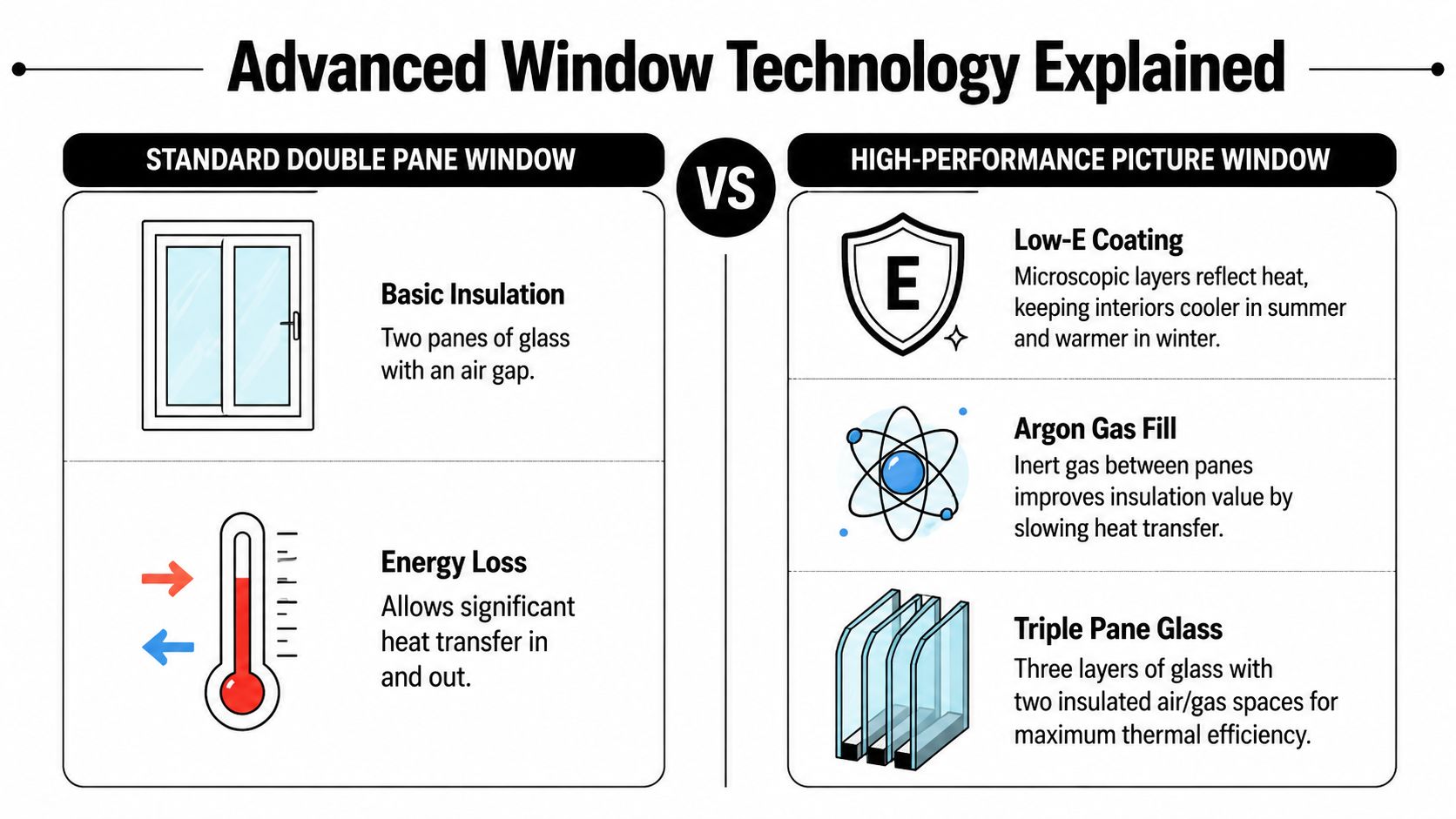
Low-E coating is a thin, nearly invisible coating on the glass that helps manage heat transfer. The easiest way to think about it is as a selective filter. It allows light in while helping control how much heat moves through the glass.
That matters in Boise summers, where a room can get bright and hot at the same time. It also matters in winter, when interior heat loss makes a seating area near the window feel cooler than the thermostat suggests.
According to ENERGY STAR guidance on windows and storm windows, ENERGY STAR certified low-e storm windows can cut annual heating and cooling bills by about 20% over single-pane clear glass. The same verified data set notes that local Boise-focused analyses associate upgrades from older single-pane windows to double-pane low-e systems with roughly 40%-50% energy savings compared with single-pane baseline conditions.
Why argon and triple pane matter
Argon gas sits between panes and slows heat transfer better than plain air. It's not something a homeowner sees, but it affects how the window behaves in both summer and winter.
Triple-pane glass adds another layer of glass and another insulated space. In Treasure Valley homes, that upgrade is often less about chasing a specification sheet and more about improving comfort. Bedrooms, large living room openings, and exposed elevations can all benefit when the goal is reducing cold-radiant feel and making the room more stable near the glass.
For homeowners comparing options, window replacement options in Star, Idaho gives a useful starting point for what upgraded glass packages look like in actual replacement projects. One product line used in this market is Mezzo windows with ClimaTech, which combines Low-E coatings, argon fill, and optional triple-pane configurations intended for four-season performance.
If a picture window is large and the room gets strong sun or winter exposure, don't buy on frame style alone. Buy on glass package first.
Picture Window Glazing Options Compared
| Glazing Option | Summer Heat Block | Winter Insulation | Noise Reduction |
|---|---|---|---|
| Single-pane clear glass | Low | Low | Low |
| Double-pane Low-E | Better control of solar heat gain | Stronger insulation than older single-pane units | Moderate improvement |
| Triple-pane Low-E with argon | Strongest option for challenging exposures | Highest comfort-focused insulation in this group | Stronger sound control |
The practical takeaway is simple. For picture windows for Treasure Valley homes, glazing is the decision. Size and shape matter. So does frame style. But the glass package is what determines whether that beautiful view stays comfortable in January, manageable in July, and easier to live with every day.
Sizing Framing and Professional Installation Explained
Stand in a Boise living room at 5 p.m. in July and the sizing question gets real fast. A picture window that looks perfect on paper can turn a west wall into a heat source if the opening is oversized for the room, the exposure, and the glass package. In January, that same wall can feel cold if the framing details and install work are off.
A picture window has to fit the room, the view line, the sun path, and the wall structure around it. Good sizing starts with how the room is used. Seated sightlines matter in a family room. In a dining area, standing height often matters more. In stairwells and hallways, the goal is often daylight and privacy at the same time.
Start with the view and the wall
The best results usually come from balancing a few practical factors instead of chasing the biggest unit that will physically fit.
- Sightline height: The glass should work from normal seated and standing positions.
- Orientation: West-facing units need more care with summer heat and late-day glare. South-facing walls need a different balance than north-facing ones.
- Frame proportion: Slimmer narrowline frames increase visible glass without changing the rough opening.
- Structural limits: Enlarging an opening may require a new header, reframing, or finish repairs that change the project cost quickly.
That balance matters in the Treasure Valley because our conditions swing hard. Hot summer afternoons, cold winter mornings, and wildfire smoke season all put more pressure on the window choice than a mild climate would. A large fixed unit can be a very smart choice here because it seals well, but only if the size and placement match the exposure.
Installation details that change performance
Picture windows are mechanically simple. Installation is where the work shows.
If the unit is out of square, poorly flashed, or sealed without a clear drainage plan, the homeowner may end up with air leakage, trim movement, condensation concerns around the perimeter, or water intrusion after a wind-driven storm. On replacement jobs in older Boise and Meridian homes, I also watch for framing irregularities, settled openings, and siding or stucco conditions that can hide trouble until the old unit comes out.
A solid process usually includes:
- In-home assessment of wall condition, sun exposure, smoke-season ventilation needs, and room use
- Precise measurements based on the actual opening, not just nominal size
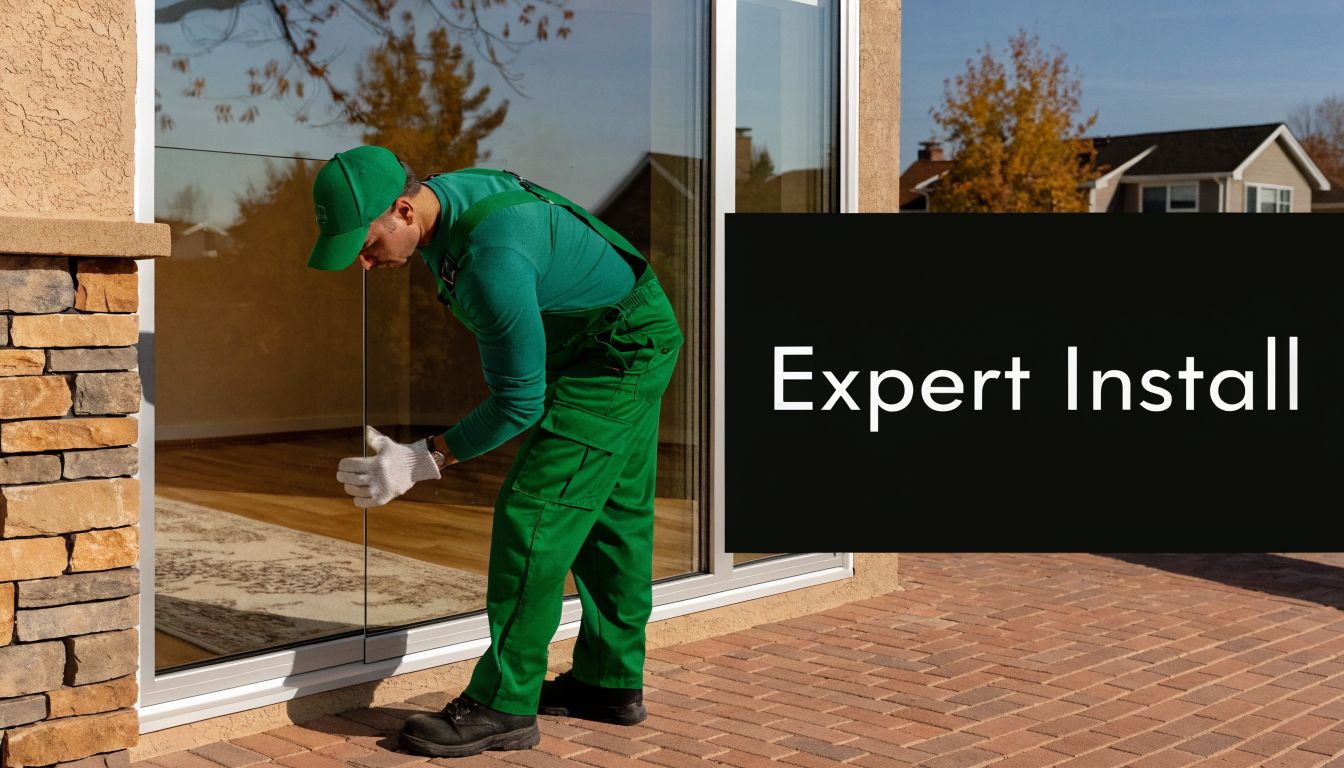
- Careful set, shimming, fastening, and sealing so the window stays square and the perimeter performs correctly
- Flashing and exterior detailing that manage water instead of trapping it
- Interior and exterior finish work that looks intentional, not patched together
- Cleanup and final review so the homeowner can see how the unit was finished and sealed
For homeowners comparing project scope, this Boise window replacement page gives a useful overview of how sizing, framing changes, and installation conditions affect a replacement job.
One more practical point. Bigger glass is not always better. In many Treasure Valley homes, a slightly smaller picture window with the right frame proportions and proper installation delivers a better result than pushing the opening wider and creating higher cost, more structural work, and harder solar control. The cleanest-looking project is usually the one that was sized for the house, not just for the brochure.
A picture window leaves very little room to hide sloppy work. If the reveal is uneven, the trim is out of line, or the seal is poorly executed, you see it every day.
That final fit matters from every angle. The reveal should be even. The sill should be handled correctly. Interior trim should line up with the room. Exterior trim and flashing should look deliberate and shed water properly. That is what makes a large fixed window feel like part of the house instead of a hole that was filled with glass.
Investing in Your Home's Value and Comfort
A picture window project usually makes sense when homeowners stop viewing it as a single-line expense and start looking at the full return. Some of that return shows up on utility bills. Some shows up when the home hits the market. A lot of it shows up the first evening you sit in the room and notice it feels brighter, calmer, and less cut off from outside.
What drives cost
The biggest cost variables are usually straightforward:
- Window size: Larger units require more glass and more handling care.
- Glazing package: Low-E, argon, and triple-pane upgrades increase performance and price together.
- Frame design: Different frame systems change sightlines and material cost.
- Opening complexity: Structural changes, trim work, and access conditions affect labor.
Because picture windows don't have operating hardware, homeowners sometimes assume they're automatically a budget choice. Sometimes they are. But once the unit gets large, uses premium glazing, or requires reframing, the decision becomes less about “fixed versus operable” and more about total project scope.
Where the return shows up
The return usually lands in three places.
The first is monthly comfort and energy use. A better-sealed fixed unit with upgraded glazing can reduce drafts, help stabilize rooms near the glass, and ease the load on heating and cooling equipment.
The second is resale presentation. Homes with brighter main rooms and updated window lines often show better because buyers immediately notice the space, light, and view quality.
The third is maintenance. Picture windows have fewer moving parts, so there's less hardware to adjust or wear out over time.
For homeowners weighing options locally, Treasure Valley window company services can help clarify what's a straightforward replacement and what's a more involved remodel. On the practical side, many homeowners also value financing availability and warranty coverage because those factors change how manageable the investment feels over the long term.
A good picture window upgrade doesn't only improve what the house looks like. It improves how the house lives.
Your Picture Window Questions Answered
Do picture windows get condensation in winter
They can, especially if the home has older glass or indoor moisture is high. Treasure Valley winters create a real comfort test for large glass areas. Boise's average January low is about 24°F according to this local window design discussion focused on Boise winter comfort. In those conditions, high-performance glazing with Low-E and argon gas is important because it helps reduce interior condensation and the cold-draft feeling near the window.
Are picture windows good during wildfire smoke season
They can be a smart choice because fixed windows don't have operable sash interfaces that can leak as easily as moving units. That doesn't mean every large fixed window performs the same. Smoke-season performance depends heavily on airtight framing, glazing quality, and installation quality. In Treasure Valley homes, the key question isn't just how large the glass can be. It's whether the full assembly seals well enough to help limit infiltration when outdoor air quality drops.
Can you enlarge an opening for a bigger picture window
Often yes, but it depends on the wall. Some projects are simple insert replacements. Others need reframing, new headers, exterior finish adjustments, and interior repair. The best candidates are rooms where the new opening improves both the view and the way the space functions. If changing the opening creates glare, furniture conflicts, or awkward trim transitions, bigger isn't always better.
Should a picture window stand alone or be combined with venting windows
In many homes, the most useful layout is a fixed center picture window with operable units nearby. That preserves the main view, keeps the central glass airtight, and still gives the room ventilation where you need it.
If you're comparing picture windows for Treasure Valley homes and want help sorting through glass packages, sizing, and installation details, C & C Windows & Doors provides in-home consultations for Boise-area replacement projects, including fixed window layouts designed for Idaho's climate and local home styles.