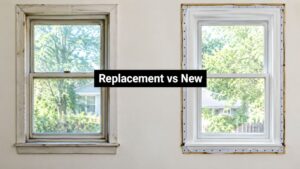

It's July in Boise. By midafternoon, the sun is pounding the west side of the house, one bedroom won't cool down, and you can feel warmth coming off the glass when you walk past the old windows. That's usually when homeowners start asking the same practical question. If summer is when the problem feels worst, is summer also a bad time to replace the windows?
The short answer is no. Heat does affect installation, but it doesn't make a summer project a mistake. It means the crew has to respect the weather, choose the right materials, and work with methods that fit Treasure Valley conditions instead of pretending Boise heat is the same as a mild coastal climate.
In fact, waiting can cost more than many people realize. The U.S. Department of Energy states that heat gain and heat loss through windows account for 25%–30% of total residential heating and cooling energy use, and upgrading to modern efficient windows can reduce annual energy bills by up to 15%, with potential savings exceeding $450 per year. In a Boise summer, that isn't an abstract efficiency upgrade. It's comfort you feel right away.
Table of Contents
- Thinking About a Summer Window Replacement in Boise
- How Summer Heat Actually Affects Window Materials
- Professional Techniques for a Flawless Summer Installation
- Choosing the Right Windows for Idaho's Climate
- Your Homeowners Guide to a Smooth Installation Day
- Post-Installation Signs of a Quality Job and Red Flags
- Frequently Asked Questions About Summer Projects
Thinking About a Summer Window Replacement in Boise
A lot of Boise-area homeowners start this process after a few miserable hot days. The upstairs gets stuffy. The living room feels bright and hot in the late afternoon. The air conditioner keeps running, but the house still doesn't feel steady. That's when replacing windows moves from “someday” to “we should probably deal with this now.”
Summer is also when people worry most about installation. They picture a window opening exposed to triple-digit heat, adhesives failing, or a rushed crew trying to beat the weather. Those concerns are fair. The important distinction is that summer heat is a condition to manage, not a reason to avoid the work.
Treasure Valley heat has its own personality. It's dry, intense, and often paired with strong direct sun on south- and west-facing walls. A professional crew plans around that. We don't treat a July install like an April install. We schedule differently, stage materials differently, and watch the wall opening and sealant conditions more carefully.
Practical rule: In Boise, summer replacement works well when the installer treats heat as part of the jobsite, not as a surprise.
There's also a timing advantage to acting while the problem is obvious. If your current windows are dumping heat into the house, replacing them before more peak cooling days can start paying off immediately in comfort and operating cost. For a broader look at seasonal timing, this guide on the best time of year to replace windows in Boise, Idaho gives a helpful local overview.
A summer project makes sense when the windows are already underperforming. The key is hiring a team that knows how Boise heat affects the install itself, not just the sales side of the conversation.
How Summer Heat Actually Affects Window Materials
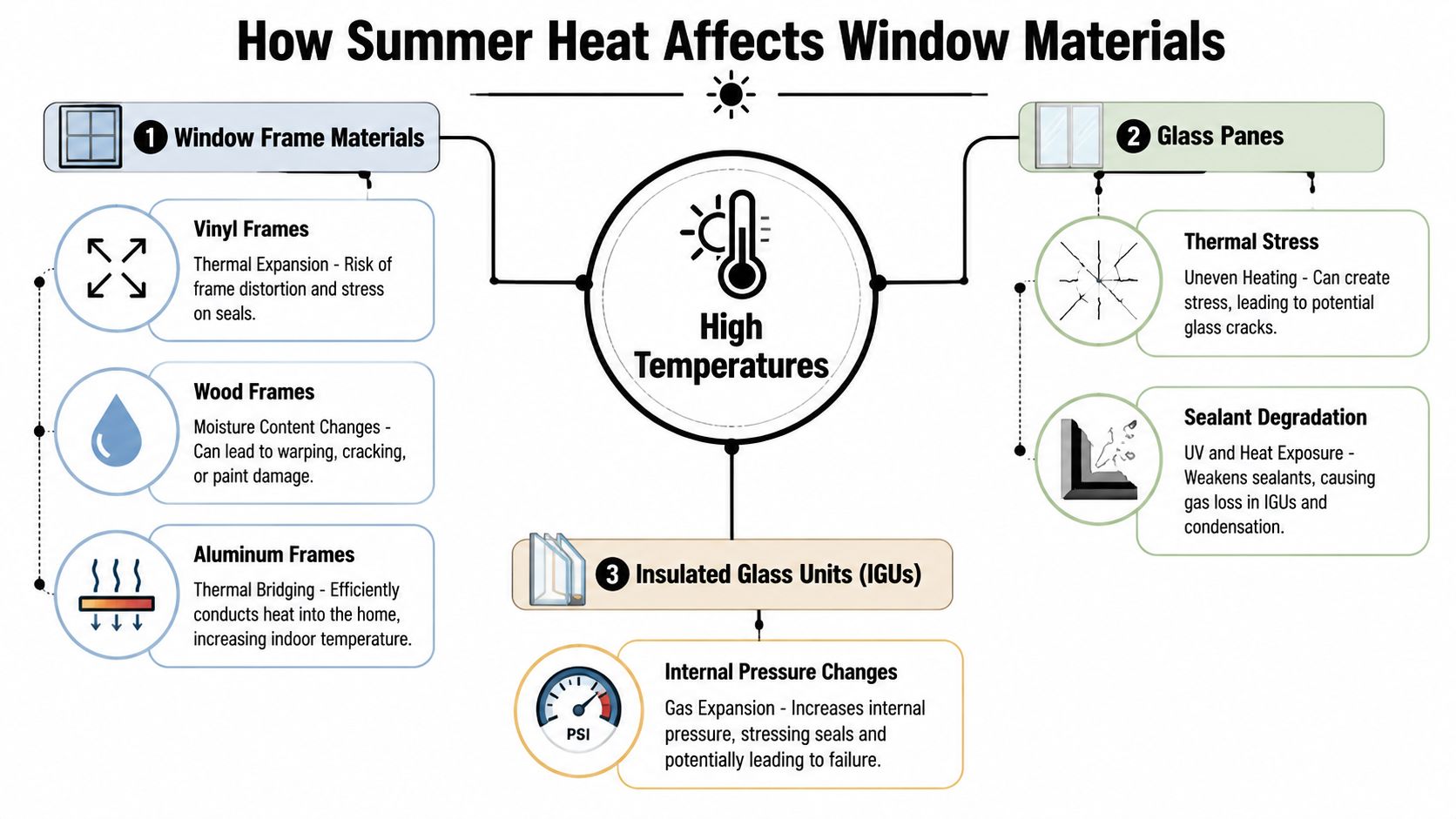
Heat affects more than how the job feels. It changes how window parts behave during installation, and that's where a lot of homeowners get tripped up. The frame, the sealant, the foam, and even how a sash operates can all react differently once temperatures climb.
Heat changes dimensions
The first issue is thermal expansion. Materials grow when they heat up. That sounds minor until you're dealing with a precision fit inside an existing opening.
One cited trade source notes that vinyl frames can expand up to 0.5% per 10°F increase, and a 40°F summer temperature spike can create enough dimensional shift to ruin a precision fit if installers don't use temperature-adjusted methods. In plain language, a frame measured or handled carelessly in hot weather can end up too tight, out of square, or prone to binding later.
That matters in Boise because dry afternoon heat can change conditions fast. A unit that feels stable early in the day can behave differently after hours of direct sun on a driveway, trailer, or wall face. Good installers account for that before the frame ever goes into the opening.
Here's what heat can affect during fit and setup:
- Frame movement: Vinyl and aluminum respond to temperature changes, so installers have to check reveal, shim points, and operating clearance carefully.
- Sash operation: A unit can appear fine at first but drag or bind if the frame is stressed during fastening.
- Seal compression: If the frame is forced into an opening, weatherstripping and gasket pressure may end up uneven.
Sealants don't like rushed curing
The second issue is chemistry. Sealants need time and proper conditions to bond well. In high heat, some products skin over too fast. The outside looks done, but the bond underneath may not develop the way it should.
When temperatures get above 90°F, sealants can dry too rapidly and fail to adhere properly. That's why hot-weather protocols call for cooler installation windows and heat-rated products. The concern isn't cosmetic. Weak adhesion can lead to small air paths, premature separation, and callbacks that should've been avoided from the start.
If a summer install goes wrong, the problem usually isn't “summer.” It's poor timing, poor product choice, or poor technique.
Boise's dry air adds another wrinkle. Low humidity can accelerate surface drying even more. That's useful only when the crew understands exactly how the sealant behaves. If they don't, fast curing becomes a liability instead of a benefit.
Professional Techniques for a Flawless Summer Installation
A strong summer install doesn't happen by luck. It comes from routine jobsite discipline. That's what separates a clean, durable result from the kind of install that looks fine for a week and starts showing problems later.
Timing matters more than the season
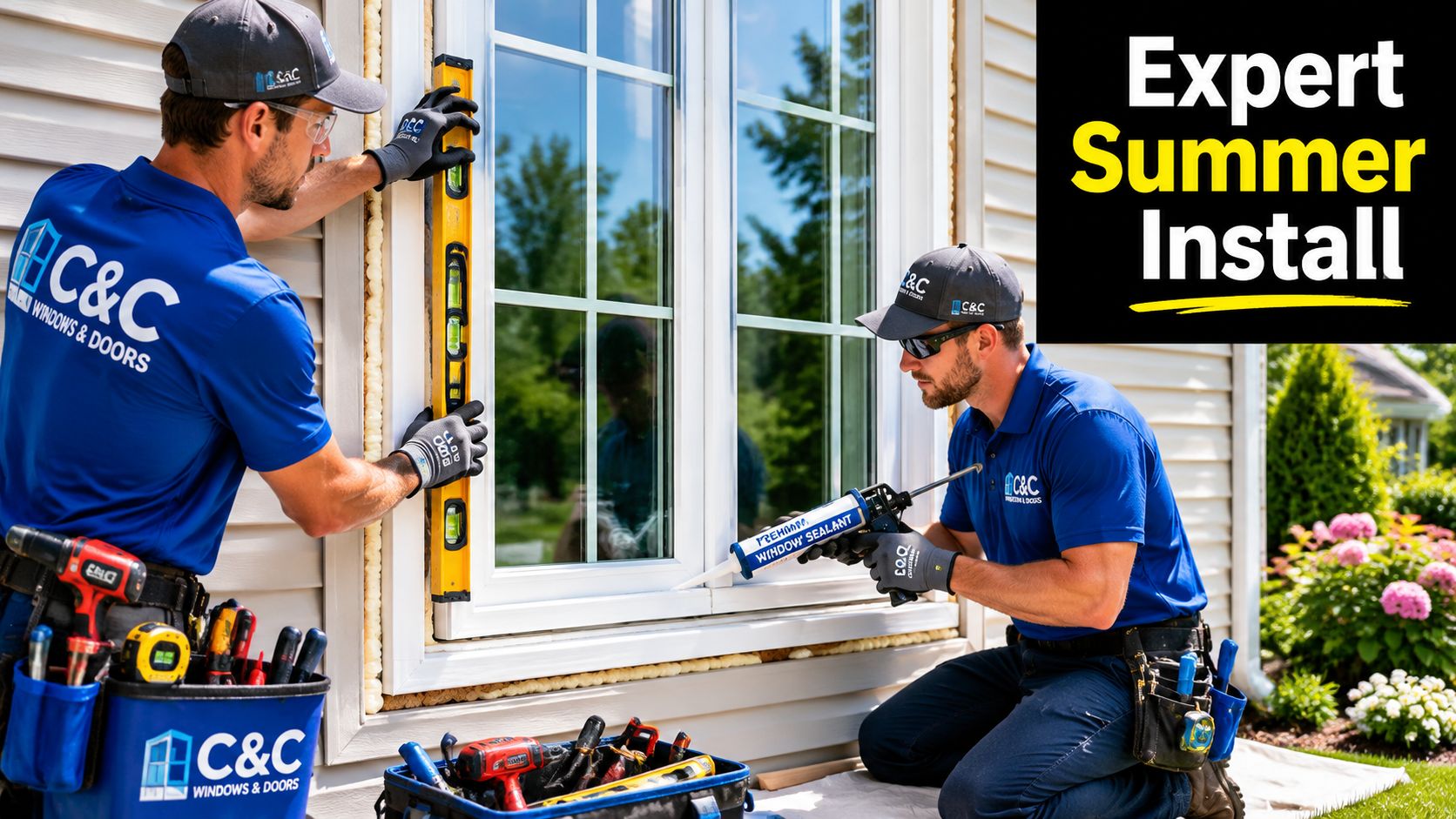
The first move is simple. Work the cooler part of the day whenever possible. One hot-weather installation reference notes that when temperatures rise above 90°F, sealants can dry too rapidly, so professional protocols recommend early-morning installation or heat-resistant sealants rated for high-temperature application.
That matches what works in the Treasure Valley. Morning installs are usually calmer, cooler, and easier on both materials and crew precision. By afternoon, direct sun can overheat surfaces long before the air temperature tells the whole story.
A good crew also sequences the house intelligently. They'll often tackle the sun-exposed elevations when conditions are most manageable and keep openings closed up efficiently rather than leaving multiple rooms open longer than necessary.
Materials and process make the difference
Timing alone isn't enough. The installer also has to use the right products and methods for the conditions.
Three things matter most:
-
Temperature-aware measuring and fitting
In summer, measurements aren't just numbers on paper. The installer has to read the opening, understand material movement, and leave the right space for shimming, insulation, and operation. -
Correct sealant selection
Not every caulk or exterior sealant behaves the same in heat. Professional crews use products rated for the temperature range they're working in and apply them to clean, dry substrates. -
Controlled fastening and leveling
Overdriving fasteners or forcing a frame square can create stress that shows up later as sticking, uneven reveal, or seal failure.
A homeowner doesn't need to manage those details, but you should expect your installer to. If you're comparing providers, ask how they handle hot-weather scheduling, product cure windows, and temperature-adjusted installation methods. That's more useful than asking whether they “can install in summer.” Most crews will say yes. The better question is how they do it.
For homeowners planning a local project, it helps to review a service page focused on window replacement in Boise, ID so you know what a professional full-service process should include.
A summer install goes smoothly when the crew controls the pace. Rush is what creates mistakes.
Choosing the Right Windows for Idaho's Climate
Installation technique matters, but so does the product going into the wall. In Boise, the right glass package can make the house feel noticeably calmer in summer, especially in rooms that get hard afternoon sun.
What SHGC means in real life
The most important rating for summer comfort is often Solar Heat Gain Coefficient, or SHGC. This tells you how much solar heat the window lets into the home. Lower numbers generally help in hot climates because they block more of that heat before it enters the room.
One cited source states that summer replacements with SHGC values below 0.30 for hot climates can prevent up to 40% more heat gain compared with standard windows, directly reducing indoor cooling loads. For homeowners, that translates into less hot-glass effect and less strain on the cooling system.
In practical terms, SHGC matters most on:
- West-facing rooms that overheat in late afternoon
- Large picture windows with heavy sun exposure
- Open living areas where one hot zone can affect the whole floor
Why glass packages matter in dry high sun
Glass technology does a lot of the heavy lifting. Low-E coatings help manage radiant heat, and gas fills such as argon support better overall thermal performance. In a place like the Treasure Valley, that combination helps address two comfort problems at once. Solar intensity during the day, and temperature swings after sunset.
Natural Resources Canada notes that Low-E coatings can reduce heat loss in winter and heat gain in summer by up to 50%, and an SHGC between 0.3 and 0.4 is a useful rule of thumb in Canada while warmer climates typically benefit from lower values. That's why product selection shouldn't stop at style and color.
If you want to compare performance features in more detail, this guide to energy-efficient windows in Idaho for 2026 breaks down the specs homeowners should pay attention to.
A good Boise window package should fit the orientation of the home, the amount of direct sun, and the comfort priorities in each room. The best-looking window on paper isn't always the best-performing window on your wall.
Your Homeowners Guide to a Smooth Installation Day
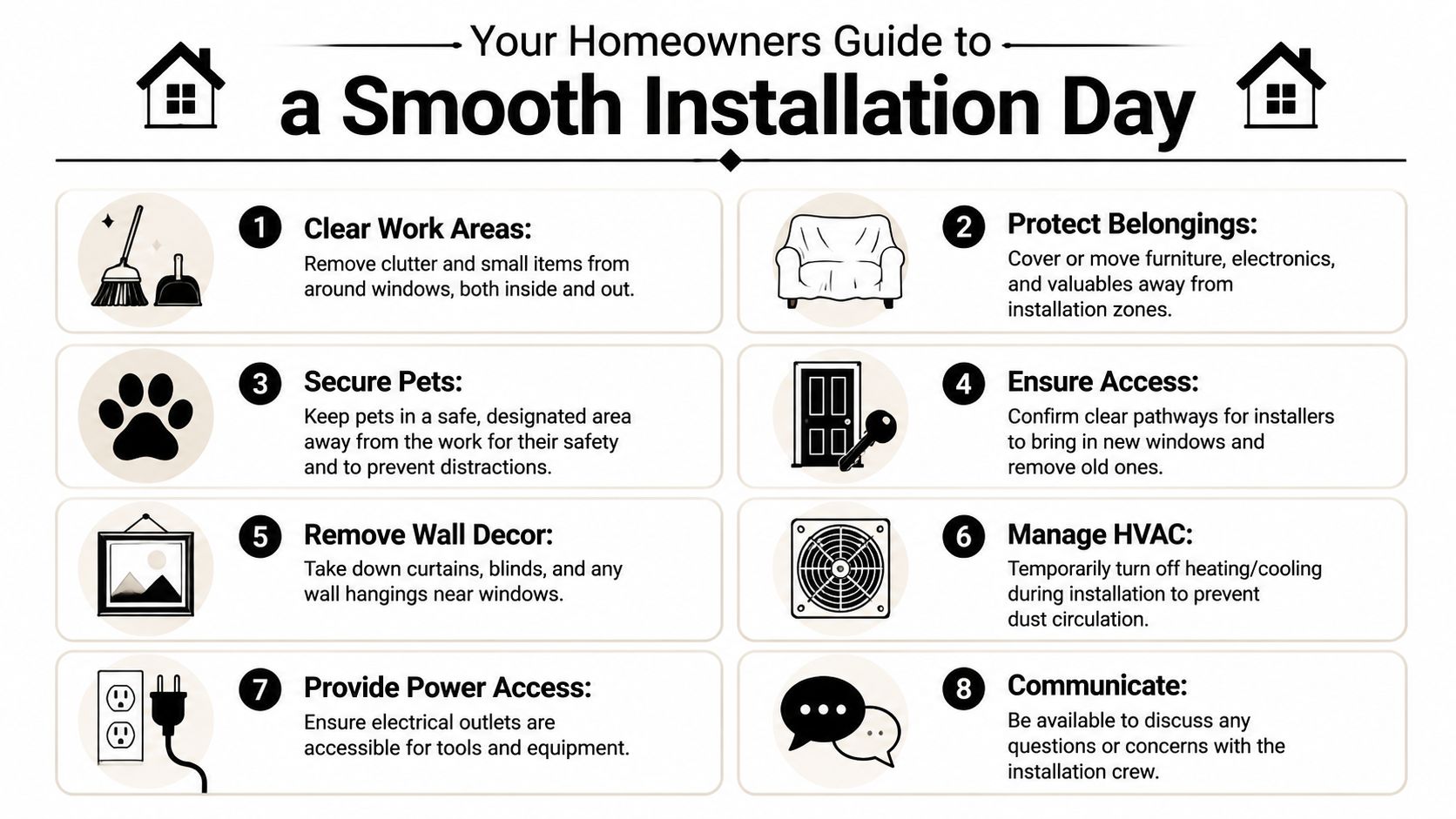
Most summer window jobs go better when the house is ready before the crew arrives. You don't need to do anything technical, but a few simple steps make the day faster, cleaner, and less stressful.
What to do before the crew arrives
Start inside. Move lamps, small decor, and anything fragile away from the windows. Take down blinds, curtains, and nearby wall art if your installer hasn't said they'll handle it.
Outside, clear patio furniture, hoses, planters, and anything else that limits ladder placement or carrying space. Boise yards often have rock beds, drip lines, and tight side yards, so a clear path saves time and helps the crew move units safely.
A short homeowner checklist works well:
- Clear the work zone: Leave enough space for ladders, tools, and old-window removal.
- Protect valuables: Dust is part of construction, even on tidy jobs.
- Secure pets: Dogs and cats don't mix well with open entries, tools, and repeated trips in and out.
- Be reachable: If a crew lead has a question about trim, blinds, or access, a quick answer keeps the day moving.
How to make the day easier on everyone
Talk with the crew lead when they arrive. Confirm which rooms they'll start in, where they'll stage materials, and whether you should adjust the thermostat while openings are being worked on. On hot days, many homeowners prefer to keep interior doors closed in unused parts of the house to hold conditioned air where it's needed.
If you work from home, plan for some noise. Saws, vacuums, and tool movement are normal. If you have a room for calls or meetings that's away from the installation path, use it.
Keep one thing in mind. Good prep doesn't just help the installer. It protects your furniture, your pets, and your peace of mind.
A professional crew should still manage the heavy lifting, floor protection, debris control, and cleanup. Your job is to make access easy and communication clear.
Post-Installation Signs of a Quality Job and Red Flags
Once the work is done, you should know what to look at before the crew leaves. A quality install has visible signs. So does a rushed one.
What a good install looks like
Start with operation. Open and close each sash. Lock it. Disengage the lock. It should move smoothly without scraping, bouncing, or needing extra force. The frame should look square, and the sightlines should feel even to the eye.
Then inspect the finish details:
- Clean sealant lines: Caulk should look consistent, not smeared or full of gaps.
- Tight trim fit: Interior casing and exterior finish pieces should sit neatly without obvious waviness.
- Clean jobsite: Old materials, fasteners, packaging, and glass stickers should be removed unless you've agreed otherwise.
You should also notice that the room feels settled again, not drafty or oddly noisy around the perimeter.
What should make you ask questions
A few red flags deserve immediate attention. If a sash binds, if a lock doesn't line up, or if you can see uneven gaps around the frame, don't assume it will “wear in.” Windows should operate correctly from day one.
Sloppy exterior sealant is another warning sign in hot-weather installs. If the bead looks hurried, brittle, or poorly adhered, ask the installer to review it before they leave. The same goes for interior trim that doesn't sit flush after reinstallation.
The strongest reassurance is a warranty that covers both product and labor. A lifetime limited warranty tells you the company expects the install to hold up, not just look good for the handoff.
Frequently Asked Questions About Summer Projects
Will my house be wide open all day?
No. A professional crew works window by window or in controlled groups. Openings are managed in sequence so the home isn't left exposed any longer than necessary.
Is summer too hot for replacement in Boise?
Not if the crew adjusts for the weather. The issue isn't the season by itself. It's whether the installer uses proper timing, materials, and hot-weather methods.
Should I worry about rain during a summer project?
Summer storms can interrupt work, especially if surfaces are wet. Good crews watch the forecast closely and protect openings if conditions shift.
Will new windows help right away?
Yes, most homeowners notice the comfort difference quickly, especially in rooms with strong sun exposure or obvious hot spots.
Do I need to leave the house?
Usually not. Many people stay home during the project. If you work remotely or have pets sensitive to noise, it may be more comfortable to plan around the install schedule.
If your Boise-area home heats up every afternoon and you're wondering whether summer is the right time to act, C & C Windows & Doors can help you make the right call. Their local team understands Treasure Valley heat, uses climate-appropriate installation methods, and installs energy-efficient windows built for Idaho conditions. Schedule a free in-home consultation to get custom measurements, straightforward recommendations, and a clean installation backed by a lifetime limited warranty.