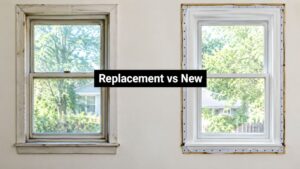
For a typical window replacement in Star, Idaho, homeowners can expect an average cost of about $270 per window for standard options in 2026, while premium installations usually run about $400 to $800 per window. If your windows are drafty, fogged, or making your HVAC system work overtime, Star is still one of the more affordable places to upgrade compared with national replacement pricing.
That matters more here than a lot of homeowners realize. In Star, you're dealing with cold winter mornings, hot summer afternoons, and the kind of seasonal swing that exposes every weak seal and tired frame in the house. Old windows don't just look dated. They let comfort leak out, they make rooms harder to heat and cool, and they turn a home that should feel solid into one that always seems a little off.
A good Window replacement Star Idaho project isn't about chasing trends. It's about fixing the rooms you avoid in January, reducing glare and heat buildup in summer, and making sure the window you pay for is built for Idaho weather. The details matter. Glass package, frame strength, drainage design, and installation quality all decide whether the upgrade performs for years or becomes another problem to deal with later.
Table of Contents
- Why Your Old Windows Are Costing You Money and Comfort
- The Anatomy of a High-Performance Window for Idaho
- Planning Your Budget for Window Replacement in Star
- Our Signature Installation Process from Consultation to Cleanup
- Long-Term Value Warranty Protection and Peace of Mind
- Transform Your Star Home A Guide to Getting Started
- Frequently Asked Questions About Window Replacement
Why Your Old Windows Are Costing You Money and Comfort
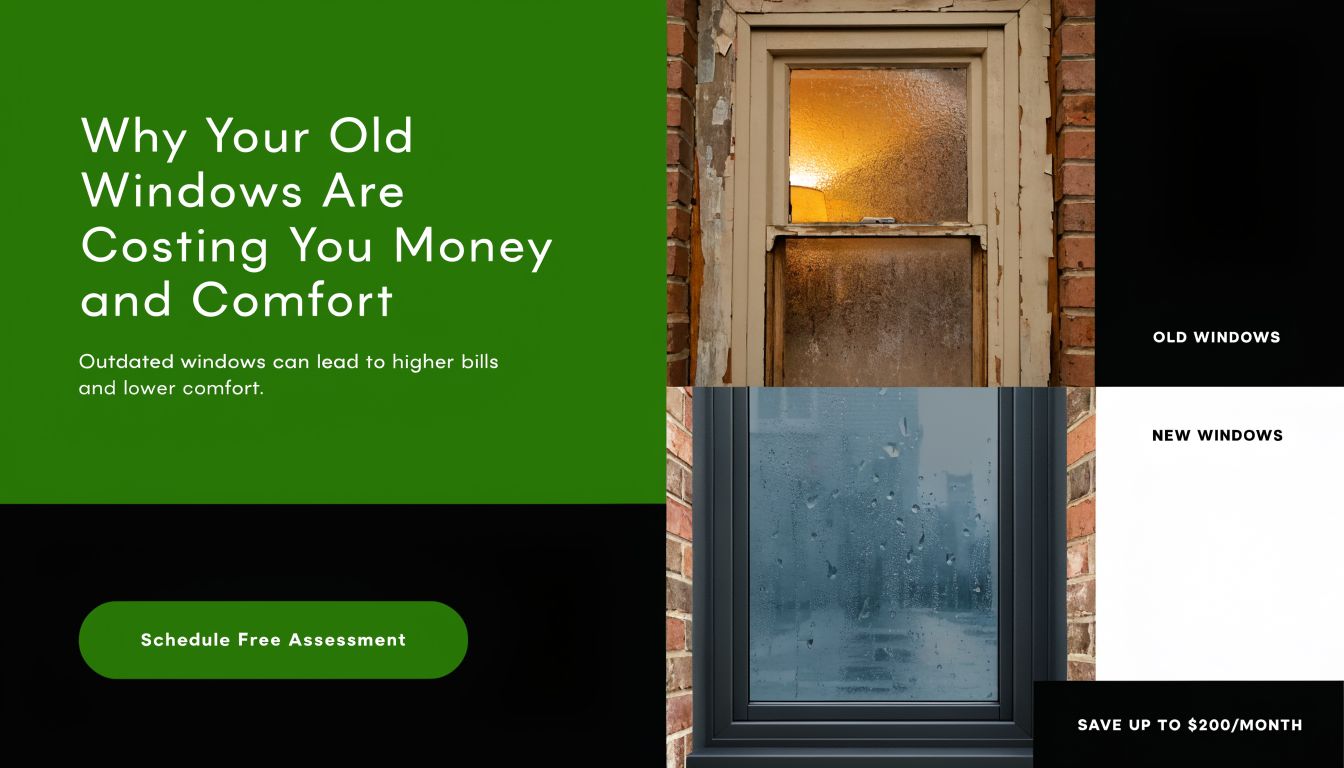
On a January morning in Star, the thermostat says 70, but the chair by the front window still feels cold. In July, that same side of the house can trap afternoon heat until well after sunset. That gap between what the thermostat reads and what the room feels like is often a window problem.
Old windows lose ground in a few different ways. Weatherstripping hardens and shrinks. Insulated glass seals fail. Frames loosen up over time, especially on older units that have seen years of sun and freeze-thaw cycles in the Treasure Valley. Once that happens, your heating and cooling system has to work longer to keep up.
What bad windows feel like in daily life
Homeowners usually notice comfort first, not the glass specs.
- Cold edge effect: In winter, the air near the glass feels cooler, so the whole room feels off even when the furnace is running.
- Summer overheating: West-facing rooms in Star take a beating from afternoon sun and hold heat longer than they should.
- Fogged panes: Moisture between panes means the sealed glass unit has failed and lost insulating value.
- Faded interiors: Strong sun exposure can bleach flooring, furniture, and fabrics over time.
Those are practical warning signs. They usually show up before a homeowner starts comparing utility bills.
The two ratings that matter most
For Star homes, I tell people to start with the numbers, not the sample in the showroom. ENERGY STAR's current requirements for windows in the Northern climate zone call for a U-Factor of 0.27 or lower, as listed on the ENERGY STAR residential window requirements page. Lower U-Factor numbers mean less heat loss in winter, which matters here.
There is also good evidence that replacing older single-pane windows cuts heating demand. The U.S. Department of Energy notes that switching from single-pane windows to efficient models can reduce annual heating energy use, depending on the home and climate, in its Efficient Windows Collaborative guidance on window performance and energy savings. Exact savings vary by house, window size, orientation, and air sealing quality.
Practical rule: If the quote does not list the U-Factor and the solar heat gain coefficient, you do not have enough information to compare one window to another.
A lot of Star homeowners also ask about rebates. Avista does offer rebates for qualifying window upgrades, and rebate amounts can change, so the safest place to verify the current per-window incentive is Avista's own rebate and energy efficiency program page.
If you want to compare products commonly installed across the valley before you commit, this guide to replacement window options in Boise and the Treasure Valley gives helpful context.
Use these replacement triggers if you are unsure whether your windows are still doing their job:
| Sign you notice | What it usually means |
|---|---|
| Drafts near sash or frame | Air leakage and worn seals |
| Fogging between panes | Failed insulated glass unit |
| Hard operation | Frame movement, balance wear, or hardware fatigue |
| Rising comfort complaints | Window system no longer insulating well |
Single-pane glass, early double-pane units, and windows with failed seals rarely get better with time. In Star, they usually cost you twice. Once on the utility bill, and again in rooms that never feel quite right.
The Anatomy of a High-Performance Window for Idaho
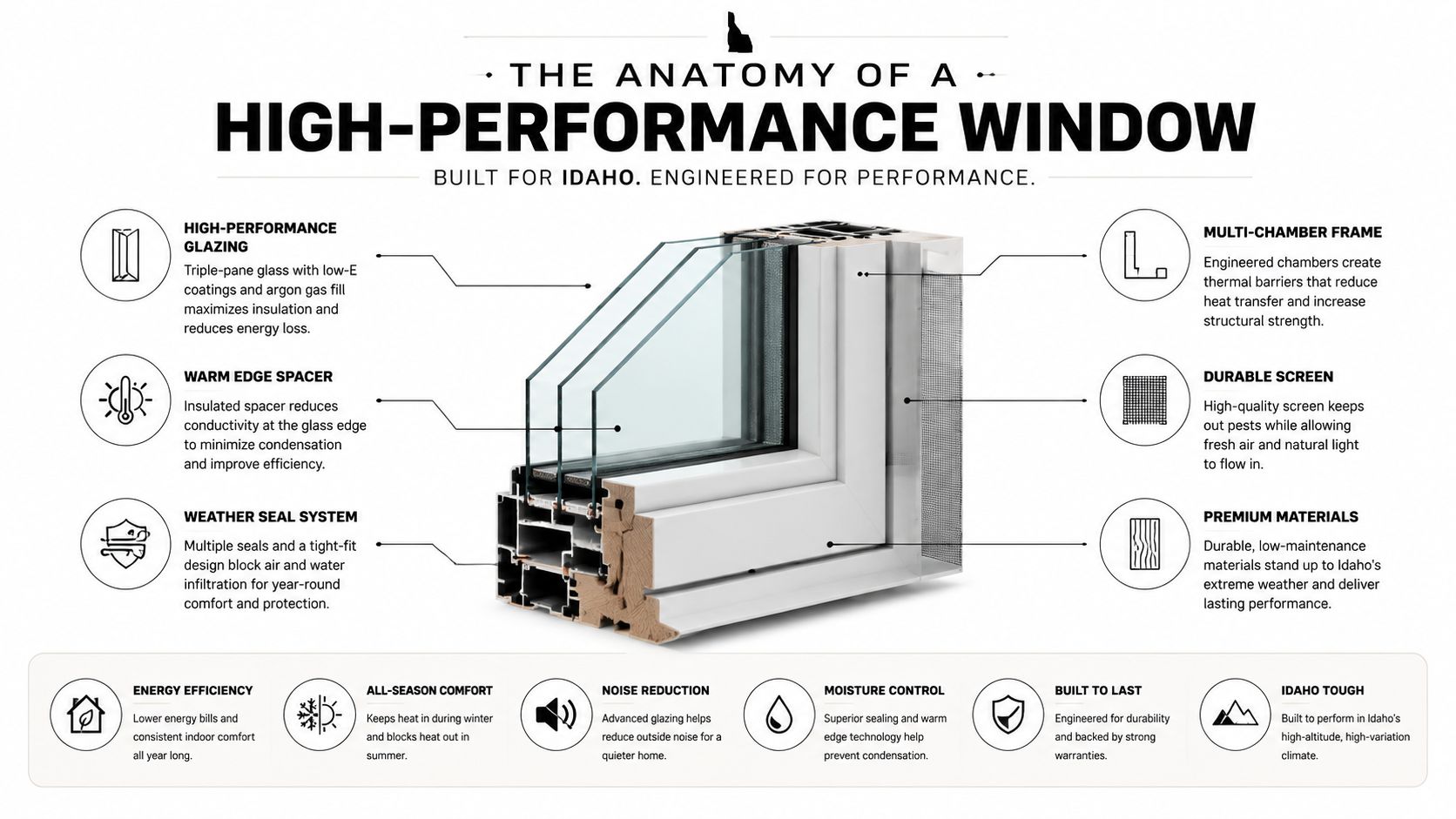
A good Idaho window isn't just a piece of glass in a frame. It's a system. Every part has to handle heat, cold, sun exposure, and moisture without warping, leaking, or losing efficiency.
That's why I pay more attention to construction details than to showroom language. In this climate, the windows that hold up tend to share the same core features: efficient glass, insulated airspace, stable sash construction, and drainage that works during freeze-thaw conditions.
What matters most in Star
A modern Mezzo-style window package fits Idaho well because it addresses common failure points. Low-E glass helps manage heat transfer. Argon gas between panes insulates better than plain air. Composite-reinforced sashes hold shape better than flimsy construction when temperatures swing.
Drainage also matters more than most homeowners think. A true sloped sill helps move water out instead of letting it sit where it can work into the frame. In the Treasure Valley, that's one of those details you won't notice on day one, but you'll be glad it's there after a few seasons of weather.
If you want a broader look at replacement options used around the valley, this guide to replacement windows in Boise and surrounding Idaho homes is a useful comparison point.
The best-looking window on the showroom floor can still be the wrong window if the frame flexes too much or the glass package is built for a milder climate.
Features that earn their keep
Not every upgrade is worth paying for. Some are.
- Low-E coatings: These coatings help reflect unwanted heat transfer. In practical terms, they help keep indoor heat where it belongs in winter and reduce harsh solar gain during summer.
- Argon-filled insulated glass: Gas fill improves thermal performance compared with plain air between panes. It's a standard upgrade I'd want in almost every Idaho replacement project.
- Composite-reinforced sash construction: This matters for durability and fit. A sash that stays square keeps weatherstripping and locks working as intended.
- Slim frame design: Narrower sightlines can improve the amount of visible glass without giving up performance, which is a nice bonus when you're trying to brighten a room.
Triple-pane is worth discussing, but not every home needs it on every opening. Bedrooms facing road noise, large north-facing openings, and homes exposed to stronger winter conditions may benefit more than interior-quiet, protected walls. The right move depends on where the window sits and what problem you're solving.
What doesn't work as well
I've seen homeowners spend money in the wrong places.
One common mistake is focusing on decorative upgrades before thermal performance. Another is choosing the cheapest frame package available and assuming new automatically means efficient. It doesn't. A poorly built replacement window can still leave you with comfort problems, even if it looks clean on install day.
A better buying filter is simple:
- Check the thermal rating first.
- Confirm the sash and frame are built for stability.
- Ask how the sill manages water.
- Then decide on style, color, and grille patterns.
That order saves people from paying twice.
Planning Your Budget for Window Replacement in Star
A Star homeowner usually feels the cost question in two rooms first. The west-facing living room that heats up all summer, and the bedroom that stays cold on January mornings.
Budgeting gets easier once you stop chasing a single statewide average and start looking at your house. In Star, final price is shaped by sun exposure, wind, the condition of the existing openings, and how far you want to push efficiency. According to local Star window replacement cost data, the average window replacement cost is about $270 per window in 2026, compared with national replacement pricing that often runs about $700 to $1,200 per window including labor and materials. The same local source also notes that full-home projects of 10 to 20 windows are often completed in 1 to 2 days.

What shapes the final price
No two openings cost the same to replace, even in the same house.
A basic bedroom insert window is one thing. A large front-room opening with trim damage, more sun exposure, and a better glass package is another. That is why neighbors can compare invoices and still both be right.
The main cost drivers are usually:
- Window size and style: Larger units, sliders, and specialty shapes usually cost more than a standard double-hung replacement.
- Access and site conditions: Second-story work, limited access, mature landscaping, or framing repairs add labor time.
- Glass package: Better solar control and stronger thermal performance cost more up front, but they usually make more sense in Star than the cheapest glass available.
- Finish and design choices: Exterior colors, interior woodgrain, grille patterns, and custom sizes raise the quote.
For practical planning, standard replacements often land close to the local average. Premium installs and custom configurations usually come in higher. The spread depends on what the opening needs and whether you are buying for appearance alone or trying to solve summer heat gain, winter drafts, or outside noise at the same time.
How to budget without guessing
I tell homeowners to build the budget in layers.
Start with the windows causing the biggest day-to-day problems. Rooms that overheat in July, windows that stick, and units with failed seals deserve attention before cosmetic upgrades in less-used spaces. That approach keeps the money aimed at comfort first.
A clean planning process looks like this:
- Count the windows that need replacement now.
- Separate immediate problems from nice-to-have upgrades.
- Choose your main goal for each room, lower bills, better comfort, less noise, or improved appearance.
- Ask for line-item pricing so you can see what upgraded glass, color options, and trim work cost.
That last step matters. If everything is rolled into one lump sum, it is harder to tell whether the money is going into better performance or just extra features.
A simple tool like this Boise-area window replacement cost calculator can help you set a realistic range before an in-home visit. It will not replace exact measurements, but it gives Star homeowners a better starting point than guessing from a national ad.
One more local point matters. Idaho utilities and manufacturers sometimes offer rebates or promotional incentives on qualifying energy-efficient products, and those programs can shift over time. Ask about current offers when you request your quote, especially if you are comparing a standard insulated unit to a higher-performance package like Mezzo for the hotter west-facing sides of the house.
If the full project feels too heavy, phase it. Start with the worst-performing rooms and the windows that face the hardest weather. That is usually the smartest way to protect comfort and cash flow at the same time.
Our Signature Installation Process from Consultation to Cleanup
Homeowners usually worry about two things once they've picked a window. Will the install be done right, and how disruptive will it be?
Both concerns are valid. A high-quality window can still underperform if the opening is measured wrong, shimmed poorly, or sealed carelessly. Good installation isn't flashy. It's disciplined work done in the right order.

What the visit looks like
A proper project starts with an in-home consultation, not a parking-lot estimate. The installer should inspect the existing units, look at trim conditions, check operation problems, and verify whether the issue is failed glass, frame wear, or both.
After that comes precise measurement, a stage where experienced crews separate themselves. Openings aren't always square, older homes move over time, and replacement work often reveals details that aren't obvious from across the room.
A good consult also includes a conversation about priorities. Some homeowners care most about winter comfort. Others want better sound control, easier cleaning, or a cleaner exterior look. The recommendation should match the house, not a canned package.
For homeowners comparing installer expectations in nearby communities, this overview of a local window contractor serving Kuna and the Treasure Valley gives a good sense of how a disciplined process should feel.
What happens on installation day
The actual install should feel organized. Crews protect the work area, remove the old unit carefully, prep the opening, set the new window square and level, insulate and seal correctly, then test operation before moving on.
Here's what I want every homeowner to expect:
- Clean setup: Floors and nearby surfaces should be protected before tools start moving.
- Measured pace: Fast is good only when the crew is still checking fit, operation, and seal details.
- Function testing: Locks, sash movement, and alignment should be checked before the crew leaves each opening.
- Full cleanup: Old materials, packaging, glass debris, and jobsite dust should leave with the crew.
A neat job is usually a sign of a careful crew. Installers who respect your home during cleanup usually respected the details you can't see inside the opening too.
Communication matters throughout. Homeowners should know when the crew is arriving, what rooms they'll tackle first, and whether anything unexpected shows up once old units come out. No one likes surprises in a remodeling project, but clear communication keeps them manageable.
Long-Term Value Warranty Protection and Peace of Mind
A replacement window isn't just a purchase. It's a long-term component of the house. That's why warranty terms matter before anyone signs a contract.
A strong lifetime limited warranty on products and labor tells you the installer and manufacturer expect the unit to hold up. It doesn't replace good installation, but it does show confidence in the window system and the work behind it. When a company is vague about coverage, homeowners usually find out what's missing only after a problem appears.
Why the warranty matters before you buy
The window business has plenty of glossy brochures. Warranty language is where confidence becomes real.
Look for clarity on these points:
- Product coverage: Does the glass, frame, and hardware have defined protection?
- Labor coverage: If something goes wrong with workmanship, is labor included or excluded?
- Transferability and service process: Ask how claims are handled and who you call if service is needed.
- Performance expectations: Make sure thermal seal issues and operating defects are addressed clearly.
A warranty should reduce uncertainty, not create a new stack of fine print.
Simple habits that help windows last
Even a well-built replacement window benefits from basic care. The good news is that maintenance is simple.
Keep tracks and sill areas clean, check that weep paths stay open, and don't force a sash that feels out of alignment. If a lock feels tight or a window starts operating differently, address it early. Small operating issues are easier to correct before they wear into larger ones.
A quality warranty gives peace of mind. Sensible maintenance helps you avoid needing it.
Transform Your Star Home A Guide to Getting Started
Most Star homeowners start in the same place. One room feels wrong, one or two windows look tired, and then the rest of the house suddenly becomes harder to ignore. Once you've lived with drafts, fogged glass, or windows that won't operate smoothly, you stop thinking about replacement as a cosmetic project.
You start thinking about daily use. Can the room stay comfortable. Does the house feel quieter. Does the home look cared for from the street. Those are the questions that usually push people from research into action.
What homeowners usually care about most
Around the Treasure Valley, the reasons tend to repeat in a practical way.
One homeowner wants the front of the house to look cleaner before listing. Another wants to stop fighting a cold upstairs bedroom in winter. Another is tired of glass that looks permanently hazy from failed seals. Different starting points, same lesson. The right replacement improves the way the house lives, not just the way it photographs.
That's also why broad promises aren't useful. Good results come from matching the product and installation approach to the opening. Large picture windows, sun-exposed living rooms, street-facing bedrooms, and older frames all need slightly different thinking.
Most people don't regret replacing bad windows. They regret waiting through one more season after they already knew the windows were the problem.
How to move forward wisely
If you're narrowing down a Window replacement Star Idaho project, keep the first step simple.
- Walk the house once: Note drafts, sticky operation, condensation between panes, and rooms that are hard to keep comfortable.
- Prioritize by pain, not by room name: A guest room you rarely use can wait. The family room you fight every day usually can't.
- Ask for performance numbers in writing: Don't rely on showroom talk.
- Compare scope clearly: Full replacement, selective replacement, and glass-only solutions each fit different situations.
Homeowners who make the best decisions usually don't rush, but they also don't overcomplicate it. They get a careful evaluation, compare real specifications, and focus on what will improve the house over the next several seasons.
If your current windows are visibly failing or making comfort harder than it should be, the next smart move is an in-home estimate with exact measurements and a clear recommendation for each opening. That gives you something useful to work from. Not guesswork, not generic pricing, and not a one-size-fits-all package.
Frequently Asked Questions About Window Replacement
Do I always need full window replacement
No. If the glass is foggy but the frame is still in good condition, an Insulated Glass Unit replacement can cost 30% to 50% less than a full window replacement, and the U.S. Department of Energy notes this can cut energy bills by 20% to 30% in climates with significant temperature swings like Idaho's, according to this discussion of IGU replacement options for Star-area homes.
That option makes sense when the main problem is a failed seal between panes, not a bad frame, rotted components, or poor operation. If the sash is loose, the frame is worn out, or the window leaks air around the unit, full replacement is usually the better fix.
How long does a Star window project usually take
Once the windows are on site and the job is scheduled, the installation itself is usually quick. A single replacement opening is often handled in well under a day, and many full-home projects move efficiently once the crew begins. The exact pace depends on access, trim conditions, and how much prep the existing openings need.
The important part isn't racing. It's getting each opening square, sealed, insulated, and tested before moving on.
What should I ask before I sign
Bring a short list and insist on plain answers.
- What exactly is being replaced: Full frame, insert, or glass only.
- What performance package is included: Ask for the ratings in writing.
- How is water managed at the sill: This matters in Idaho weather.
- Who handles service later: Know the process before you need it.
Is triple-pane always worth it
Not always. It can be a smart upgrade for certain exposures, noise concerns, and homeowners who want the strongest thermal package available. But some homes will get very good results from a well-built double-pane system with the right Low-E coating, gas fill, and tight installation. The right answer depends on the opening and the problem you're trying to solve.
What's the biggest mistake homeowners make
They focus too much on the sample window and not enough on the installed result. A replacement window has to fit the home, match the climate, and be installed cleanly. The quote that looks cheapest on paper can become the most frustrating one if the unit is weak or the installation crew cuts corners.
If you're ready to stop guessing and get a straight answer on your windows, C & C Windows & Doors offers free in-home consultations for Star and the rest of the Treasure Valley. You'll get custom measurements, practical recommendations, and a clear path forward for the windows that need attention now.