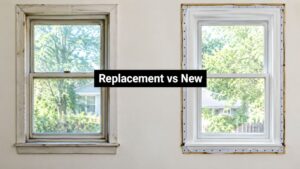

If you're in Garden City staring at drafty glass on a cold morning, wiping condensation off the inside, or fighting a window that sticks every season, you're probably past the point of “maybe later.” Old windows in the Treasure Valley don't just look tired. They leak air, hold moisture where it shouldn't be, and make your furnace work harder than it needs to.
Replacement windows Garden City ID homeowners choose should match local conditions, not just a showroom sample. Idaho's winters, dry summers, and sharp day-to-night temperature swings expose every weakness in an aging frame, failed seal, or sloppy installation. The right replacement fixes comfort first, then pays you back through lower energy use, better operation, and stronger resale appeal.
Table of Contents
- Signs Your Garden City Windows Need Replacing
- Choosing the Right Window Style and Material for Idaho
- Decoding Energy Efficiency for Your Treasure Valley Home
- Budgeting for Your Window Replacement and Calculating ROI
- How to Select a Trusted Local Window Installer
- What to Expect During Your Window Installation
- Financing Your Project and Answering Final Questions
Signs Your Garden City Windows Need Replacing
A lot of failing windows announce themselves in winter. You feel a cold wash near the glass. The room closest to the window never seems to warm up. Then summer arrives and the same opening lets heat pour in.
What homeowners usually notice first
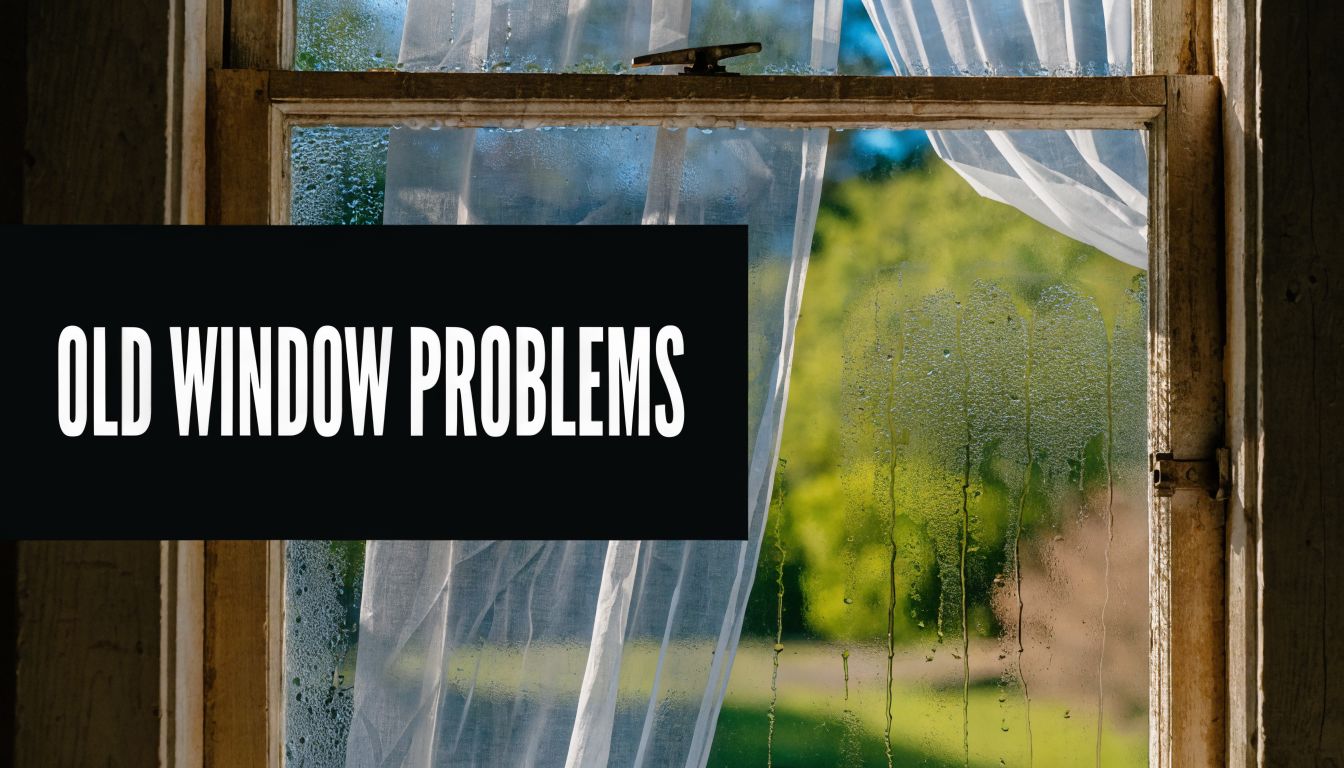
In Garden City, those symptoms often trace back to moisture intrusion and frame deterioration, not just old glass. The City of Boise historic window guidance notes that Idaho's freeze-thaw cycles can occur over 50 times annually, and that moisture infiltration leads to wood rot in an estimated 70 to 80 percent of pre-1980 window frames. That matters because once water gets into the frame assembly, repeated freezing and thawing can open joints, soften wood, and turn a small maintenance issue into a structural one.
The first clues are usually practical, not technical:
- Drafts near the sash or stool: If you feel moving air when the window is locked, the weatherseal or frame fit is no longer doing its job.
- Condensation patterns that don't make sense: Interior surface condensation can reflect humidity issues, but fogging between panes usually points to seal failure.
- Sticking or uneven operation: A window that drags, tilts out of square, or won't stay open often has frame movement or hardware wear behind it.
- Soft trim or discolored wood: Press gently around the sill or lower corners. If the material feels punky or flakes easily, moisture has likely been working there for a while.
Practical rule: If the problem is recurring every season, it's usually not a cleaning issue or a one-time adjustment issue.
A quick at-home inspection checklist
Homeowners don't need specialty tools to catch the big red flags. Walk room to room and look for patterns, especially on the north and west sides where weather exposure tends to be harder on assemblies.
- Open and close each unit fully. If it binds, drops, or needs force, write it down.
- Check the glass closely in morning light. Haze between panes is different from surface condensation.
- Inspect lower frame corners and sills. That's where water damage often shows first.
- Look at paint and caulk lines. Peeling, cracking, and separation can indicate movement below the surface.
- Notice comfort differences room by room. The coldest room in winter often points straight to the weakest windows.
Some homes can get by with isolated repair work. Others need a full-frame replacement, especially when rot, movement, or water entry extends beyond the sash itself. If the frame is compromised, inserting a new unit into a bad opening doesn't solve much. It just hides the problem for a while.
Choosing the Right Window Style and Material for Idaho
Not every good-looking window is a good fit for an Idaho home. Style affects ventilation, cleaning, and sightlines. Material affects how the unit handles sun, cold, moisture, and long-term maintenance.
Best styles for function, cleaning, and airflow
For everyday homes in Garden City, a few styles tend to make the most sense.
Double-hung windows are familiar and versatile. They work well in bedrooms and front elevations where homeowners want a traditional look and easy operation. They also make cleaning simpler from inside on many models.
Casement windows seal tightly when locked and catch breeze well. They're a strong choice where airflow matters, such as kitchens or side rooms that get less cross ventilation. They're also useful when you want a clearer view with less meeting rail interruption.
Picture windows don't open, but they give you the largest uninterrupted glass area. They're often paired with venting units on the sides when the goal is to keep the view while still getting airflow.
Sliding windows fit wide wall spaces and are easy to use, but they need quality rollers and a well-built track. In lower-cost units, that's where performance can slip first.
The best window style is usually the one that solves the room's actual problem, not the one with the most features on paper.
Window Material Comparison for Idaho Homes
Modern frame materials have come a long way. For most replacement windows Garden City ID homeowners install today, the decision usually comes down to vinyl, composite, or wood.
Window Material Comparison for Idaho Homes
| Feature | Modern Vinyl | Composite | Wood |
|---|---|---|---|
| Durability | Strong choice for everyday residential use when the frame is well-made | Excellent rigidity and stability in changing temperatures | Can last a long time with upkeep, but is more vulnerable to moisture issues |
| Maintenance | Low maintenance | Low maintenance | Highest maintenance of the three |
| Cost | Usually the most budget-friendly option | Typically positioned above vinyl | Often higher, especially when paired with custom work |
| Insulation | Good thermal performance in quality products | Strong thermal performance with added frame stiffness | Naturally insulating, but whole-unit performance depends heavily on condition and glazing |
A few practical trade-offs matter more than marketing language.
Vinyl is a sensible fit for many homes because it keeps maintenance low and cost more manageable. Composite becomes attractive when homeowners want extra frame strength and a more rigid sash structure. Wood still has a place in certain architectural situations, but it asks for regular upkeep and careful moisture management, which many homeowners would rather avoid.
If you're replacing aging wood windows that already show movement, swelling, or soft spots, switching to a modern vinyl or composite system usually makes daily ownership easier. That doesn't mean every opening should be identical. A front-facing picture window, for example, may call for a different configuration than a bathroom or laundry room.
Decoding Energy Efficiency for Your Treasure Valley Home
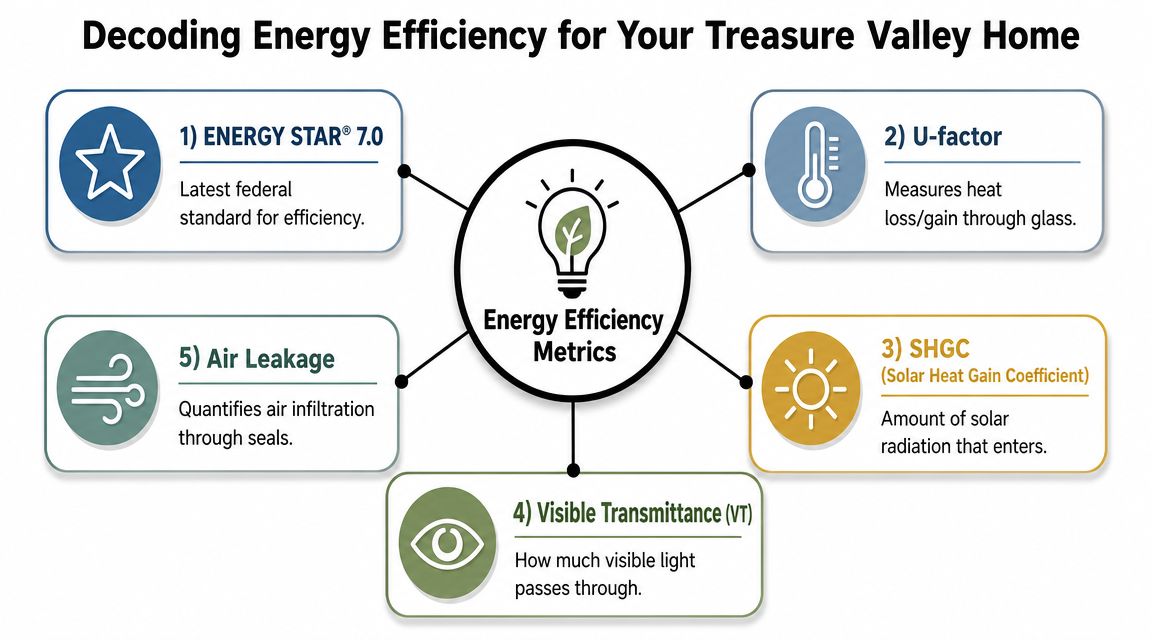
Energy ratings confuse a lot of people because manufacturers pile on terms that sound technical but don't always explain comfort. In real homes, the point is simple. You want glass and framing that hold indoor temperatures more steadily, reduce cold-window effect, and cut down on heat transfer when Boise weather swings hard in a single day.
What the numbers mean in real life
The rating most homeowners should pay attention to first is U-factor. Lower U-factor means the window is better at resisting heat flow. That directly affects how cold the glass feels in winter and how hard your HVAC system has to work.
For Treasure Valley homes dealing with sharp temperature changes, high-performance windows described by Elevated Windows & Doors can use triple-pane glass, Argon gas fills, and Low-E coatings to achieve U-factors of 0.20 or lower, and that level of performance can slash conductive heat loss by up to 45 percent compared to standard dual-pane, based on NFRC simulations. That's not abstract. It means rooms near the glass feel more even and less draft-prone.
Other terms matter too:
- Low-E coating acts like a selective barrier on the glass. It helps keep interior heat from escaping in winter and reduces unwanted solar gain at the wrong times.
- Argon gas fill sits between panes and slows heat transfer better than plain air.
- SHGC tells you how much solar heat the window admits.
- Visible Transmittance tells you how much daylight still comes through.
For homeowners comparing nearby service areas, this guide to window replacement in Star, Idaho gives a useful local benchmark for how performance features are typically evaluated in Treasure Valley conditions.
The upgrades that matter in Idaho
Not every upgrade deserves the price jump. Some do.
If your current windows are old enough that the glass feels icy in winter mornings, start by prioritizing Low-E glass, Argon fill, and strong whole-unit thermal performance. Those features address comfort directly. Triple-pane can make sense in exposed locations, street-facing rooms, and homes where owners want stronger insulation and sound control.
A few features are easy to underrate until you live with them:
- Better UV control: Helpful for flooring, furniture, and fabrics near large openings.
- Stronger edge sealing: Important for long-term glass performance.
- Narrowline frames: They preserve glass area instead of making the replacement look bulky.
Good energy-efficient windows don't just lower utility use. They change how the room feels at the chair by the window, at the bed near the wall, and at the kitchen sink on a January morning.
Budgeting for Your Window Replacement and Calculating ROI
Homeowners usually ask the cost question first, and that's reasonable. Window projects vary because every opening is a little different. Size, style, frame condition, access, and efficiency upgrades all affect the final number.
What drives the final price
In the Garden City area, EcoWatch's Boise replacement window pricing overview places the average cost at $450 to $650 per window for quality vinyl units, while premium custom windows run about $750 to $1,250 installed. Those numbers are useful as a planning range, not a bid.
Expect pricing to move based on things like:
- Window size and shape: Large openings and specialty shapes usually cost more than standard sizes.
- Replacement method: Full-frame work is more involved than a basic insert.
- Glass package: Upgrades such as advanced Low-E packages or triple-pane configurations can raise the price.
- Site conditions: Brick, stucco, second-story access, and interior finish protection all affect labor.
If you want a rough planning tool before an in-home quote, a Boise window replacement cost calculator can help you organize the scope room by room.
Where the return comes from
The biggest return usually comes from two places. First, your home uses less energy to stay comfortable. Second, the house presents better to future buyers because the windows look updated, operate properly, and suggest lower future maintenance.
The same EcoWatch pricing review notes that energy-efficient upgrades can reduce utility bills by up to 30 percent in this market. For a homeowner, that means the premium for a stronger glass package isn't just about specs. It can produce ongoing savings while making the house quieter and more comfortable.
A practical way to think about ROI is this:
| Investment area | Short-term payoff | Long-term payoff |
|---|---|---|
| Basic replacement of failing units | Better operation and less draft | Prevents continued deterioration |
| Higher-efficiency glass package | Lower monthly utility use | Better comfort and stronger buyer appeal |
| Full-frame correction where needed | Solves hidden moisture and fit issues | Protects structure and avoids repeat work |
Cheap windows can lower the initial ticket, but they often cost more in frustration. If the sash flexes, the hardware feels light, or the installation skips the hard parts, the savings disappear quickly.
How to Select a Trusted Local Window Installer
A good window installed poorly won't perform the way it should. That's why installer selection matters as much as product selection. Garden City homeowners have options, which is helpful, but it also means you have to separate polished sales language from actual field quality.
What to verify before you sign
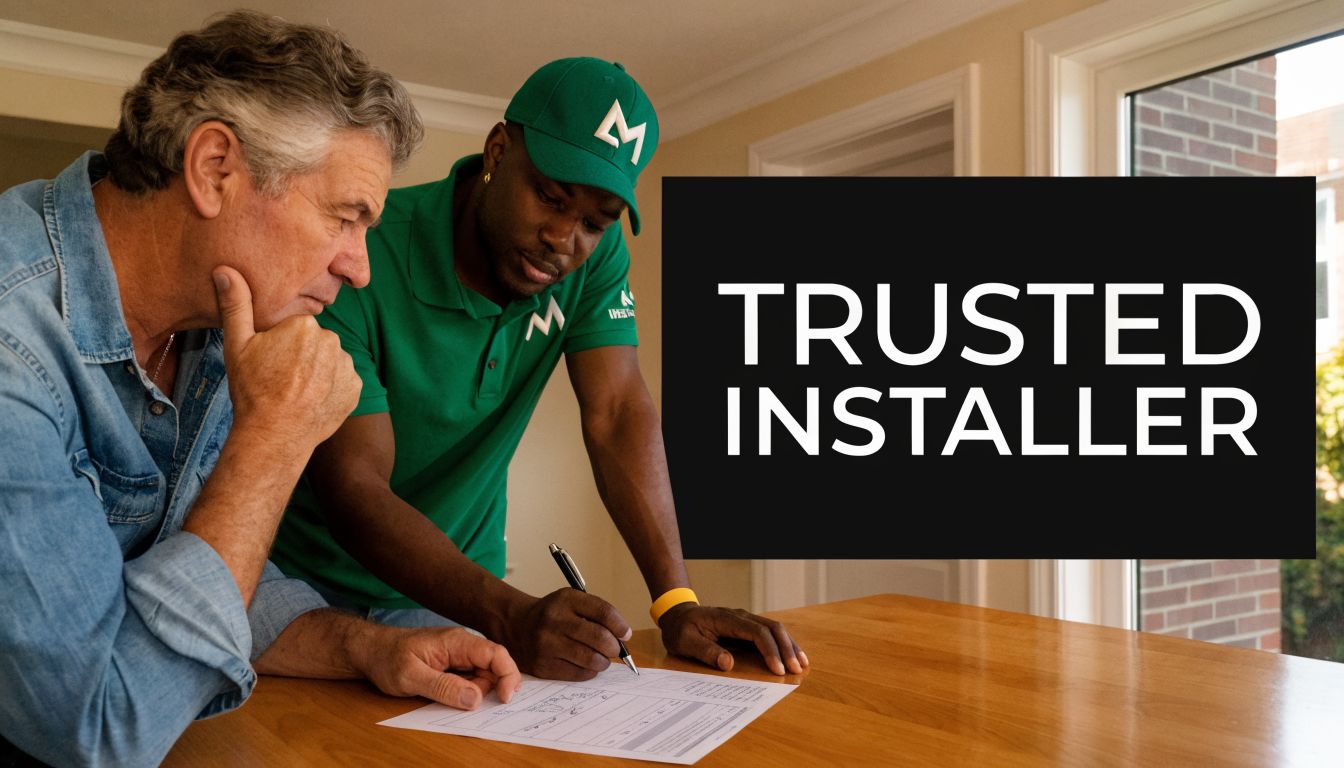
The Garden City and Boise market has at least 10 highly reviewed window replacement providers, which makes vetting even more important. In a crowded field, homeowners should verify credentials, insist on professional installation of high-performance windows, and secure an all-inclusive lifetime warranty.
Here is the checklist that matters most in everyday life:
- Local experience: You want a crew that understands Idaho weather, older Treasure Valley construction, and what happens when openings are out of square.
- Factory training: The best product in the catalog still depends on exact installation steps.
- Licensing and insurance: This protects you if the job doesn't go to plan.
- Custom measurement process: Good installers measure carefully and confirm conditions before ordering.
- Labor warranty, not just product warranty: Many problems that show up later trace back to installation details.
A contractor serving nearby areas, such as this window contractor in Kuna, ID, should be able to explain how they handle measurement, flashing, insulation, trim, and post-install cleanup in plain language.
Questions worth asking in the home
Don't ask only about price. Ask how the installer deals with problem openings.
Some examples:
- Will you recommend full-frame replacement when the frame is damaged, or only inserts?
- How do you verify the sill condition before installation?
- What kind of finish protection do you use inside the home?
- Who handles service if an adjustment is needed later?
- Is labor covered under the warranty, or only the window unit itself?
If a contractor avoids details and keeps steering the conversation back to monthly payment, keep looking.
The best installers usually sound less flashy and more specific. They can explain what they'll remove, what they'll inspect, how they'll insulate the cavity, how they'll seal the exterior, and how they'll leave the room when they're done.
What to Expect During Your Window Installation
Most homeowners don't replace windows often, so some anxiety is normal. The work is happening in your living space, around your finishes, and often while you're still home. A professional crew should make the day feel organized, not disruptive.
Before installation day
The job should start long before the first tool comes out. Good prep includes final measurements, product confirmation, scheduling, and a clear discussion about access to each room. Homeowners should know which furniture needs to move and whether window coverings need to come down ahead of time.
You should also expect the installer to explain how they'll handle dust, debris, and trim protection. That's a sign they've done this enough to know where projects go sideways.
What happens during the install
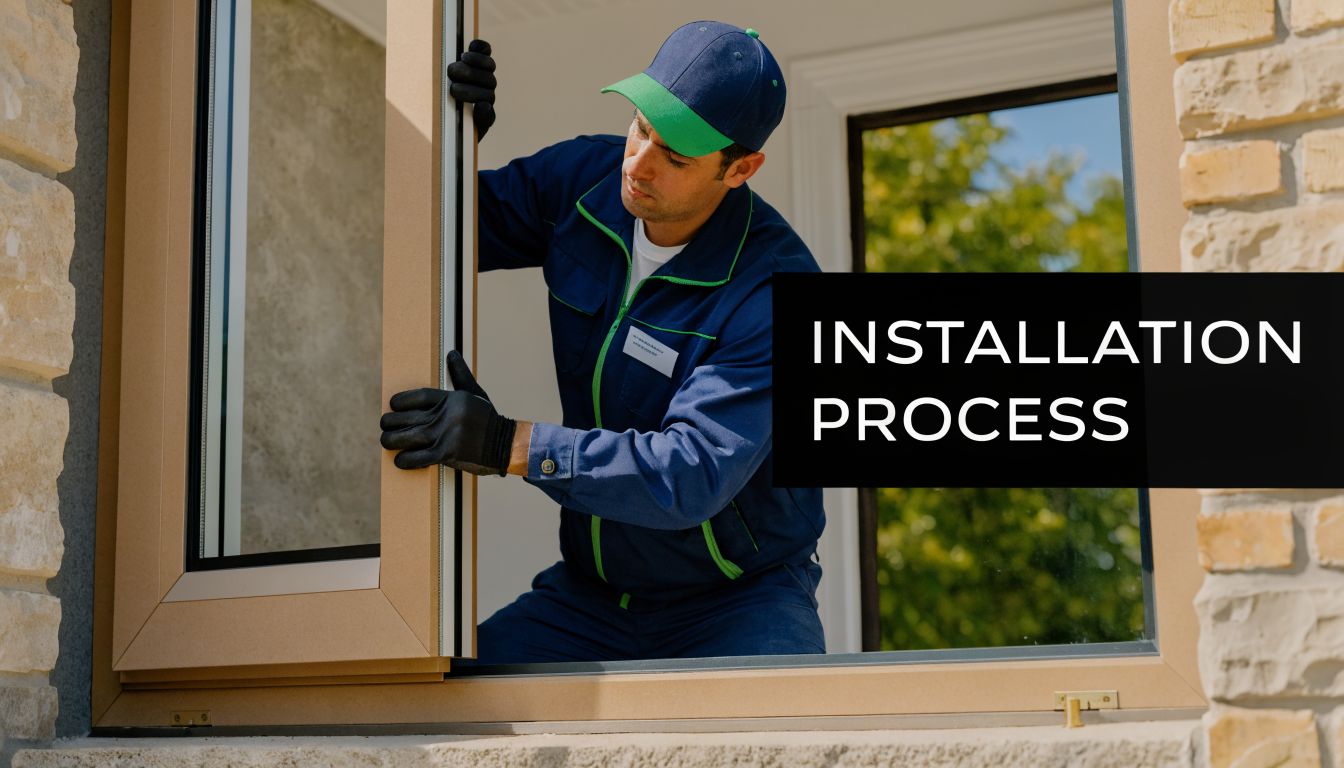
On installation day, crews usually begin by protecting floors and nearby surfaces. Then they remove the old unit carefully, inspect the opening, and confirm the new window fits the conditions they found. If the opening needs correction, that's handled before the new unit is fully set and sealed.
A clean installation sequence usually looks like this:
- Protection first: Drop cloths, tool staging, and careful entry routes.
- Removal with inspection: Old material comes out, then the opening gets checked for hidden issues.
- Set and secure: The new unit is leveled, fastened correctly, insulated, and sealed.
- Trim and finish: Interior and exterior details are completed so the window looks integrated, not patched in.
- Walkthrough: The crew should demonstrate operation, locks, and any maintenance points.
A professional install should leave you with better windows, not a punch list of drywall scuffs, trim gaps, and cleanup problems.
By the end, every sash should operate smoothly, locks should engage properly, and the area should be left tidy. If something feels off that day, say it. Good installers would rather correct it immediately than come back later.
Financing Your Project and Answering Final Questions
Window replacement is one of those projects where timing matters. If your current windows are leaking air, holding moisture, or showing frame damage, waiting often means paying more later for surrounding repairs too. Financing can make it easier to solve the problem when the house needs it, not months or years after the damage spreads.
Common ways homeowners move forward
Most homeowners handle a window project in one of three ways:
- Cash for a smaller scope: Common when replacing the worst rooms first.
- Phased replacement: Useful when you want to spread the project over time without ignoring urgent openings.
- Financing through an installer partner: Often the simplest route for whole-home work.
If the windows you select meet current efficiency standards, it's also worth asking your tax professional or utility provider about any available incentives or credits. Those details change, so verify them before counting on them.
Final questions homeowners ask
How long does installation usually take?
It depends on how many windows are being replaced, the condition of the openings, and whether the project involves full-frame work. Your installer should give you a realistic schedule before the job starts.
Do I need a permit in Garden City?
Permit requirements can vary by project scope and whether structural changes are involved. Ask the installer directly who is responsible for permit review and documentation.
Should I replace all windows at once?
Not always. If budget is the main constraint, many homeowners start with the most exposed or most damaged openings first.
What matters more, the window or the installer?
Both matter. A quality product needs precise installation to deliver the comfort, efficiency, and lifespan you're paying for.
If you're ready to compare options for replacement windows in Garden City ID, C & C Windows & Doors offers free in-home consultations, custom measurements, energy-efficient window solutions built for Treasure Valley conditions, and professional installation backed by a lifetime limited warranty on products and labor. It's a practical next step if you want clear recommendations, accurate pricing, and a clean installation process from a local team.