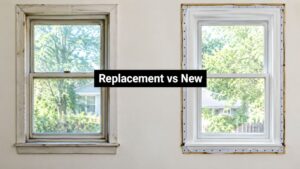

If you're reading this in Boise, Meridian, Eagle, Nampa, or Caldwell, there's a good chance you already know the feeling. You walk past a window on a January evening and feel cold air at the sill. Then summer hits, the west side of the house turns hot by late afternoon, and the rooms with older glass never seem to settle down.
That's usually when homeowners start searching for a real Mezzo windows review Idaho homeowners can use. Not a generic product summary. Not a polished brochure. A practical answer to one question: will these windows make the house more comfortable in Idaho, and will they stay that way after installation?
Mezzo windows are worth a serious look for Treasure Valley homes because they were built around energy performance, frame efficiency, and replacement-friendly design. That matters locally because homeowners most often replace windows for efficiency first. In an Alside survey, 36% of homeowners said they would consider replacing windows to enhance energy efficiency, ahead of damage at 29%, moisture or leakage at 12%, and remodeling at 9%, according to Window + Door coverage of the Alside homeowner survey.
The other part that gets missed in most reviews is this. A good window and a bad install are a bad project. In Idaho's climate, product and workmanship have to work together.
Table of Contents
- Are Your Windows Ready for Another Idaho Winter
- The Engineering Behind Mezzo Windows
- Performance Built for the Treasure Valley Climate
- Window Styles to Elevate Your Idaho Home
- Why Your Installer Is as Important as Your Window
- Understanding Your Investment Warranty and Financing
- Get Your Free Quote for New Windows Today
Are Your Windows Ready for Another Idaho Winter
A lot of window projects in the Treasure Valley start with one room. Usually a bedroom that runs cold. A living room with too much glare. A kitchen window that looks fine from across the room but leaks air around the frame when the wind picks up.
Older windows can keep working mechanically long after they stop performing well. They may still open. They may still lock. But if the glass feels cold, the frame sweats in winter, or the room temperature swings from morning to evening, the window is already telling you it's behind the climate.
What Idaho homeowners usually notice first
In this area, winter exposes air leakage fast. Summer exposes solar heat gain just as fast. That combination is why efficiency drives so many replacement decisions.
If your home has these symptoms, it's usually time to stop patching and start evaluating replacement:
- Drafts at the meeting rail or sill: You feel cold air near the frame even when the window is closed.
- Uneven rooms: One side of the house stays colder in winter or hotter in late summer.
- Condensation concerns: Moisture builds at the glass edge or on colder frame surfaces.
- Noise and comfort issues: Outside sound carries in more than it should, and indoor temperatures shift too quickly.
For homeowners comparing upgrades for severe cold, it also helps to understand when a heavier glass package makes sense. This guide to triple-pane windows for Idaho winters is useful if your main concern is winter comfort on exposed elevations.
A replacement window should do more than look new. It should change how the room feels at 7 a.m. in January and 5 p.m. in July.
Why Mezzo enters the conversation
Mezzo windows fit this discussion well because the line has a long connection to energy-focused replacement design. Independent review coverage notes that Mezzo was introduced as a redesign of the discontinued Excalibur model to meet ENERGY STAR requirements, and Alside says the current Mezzo system is built to meet stringent ENERGY STAR requirements.
That history matters because Idaho homeowners usually aren't replacing windows for novelty. They're replacing them because the old units no longer match the house, the season, or the utility bill.
The Engineering Behind Mezzo Windows
A lot of window marketing gets buried in terms homeowners don't need. Narrowline frame. Composite reinforcement. Sloped sill. Interlock. Those details matter, but only if you translate them into what they do in a real house.
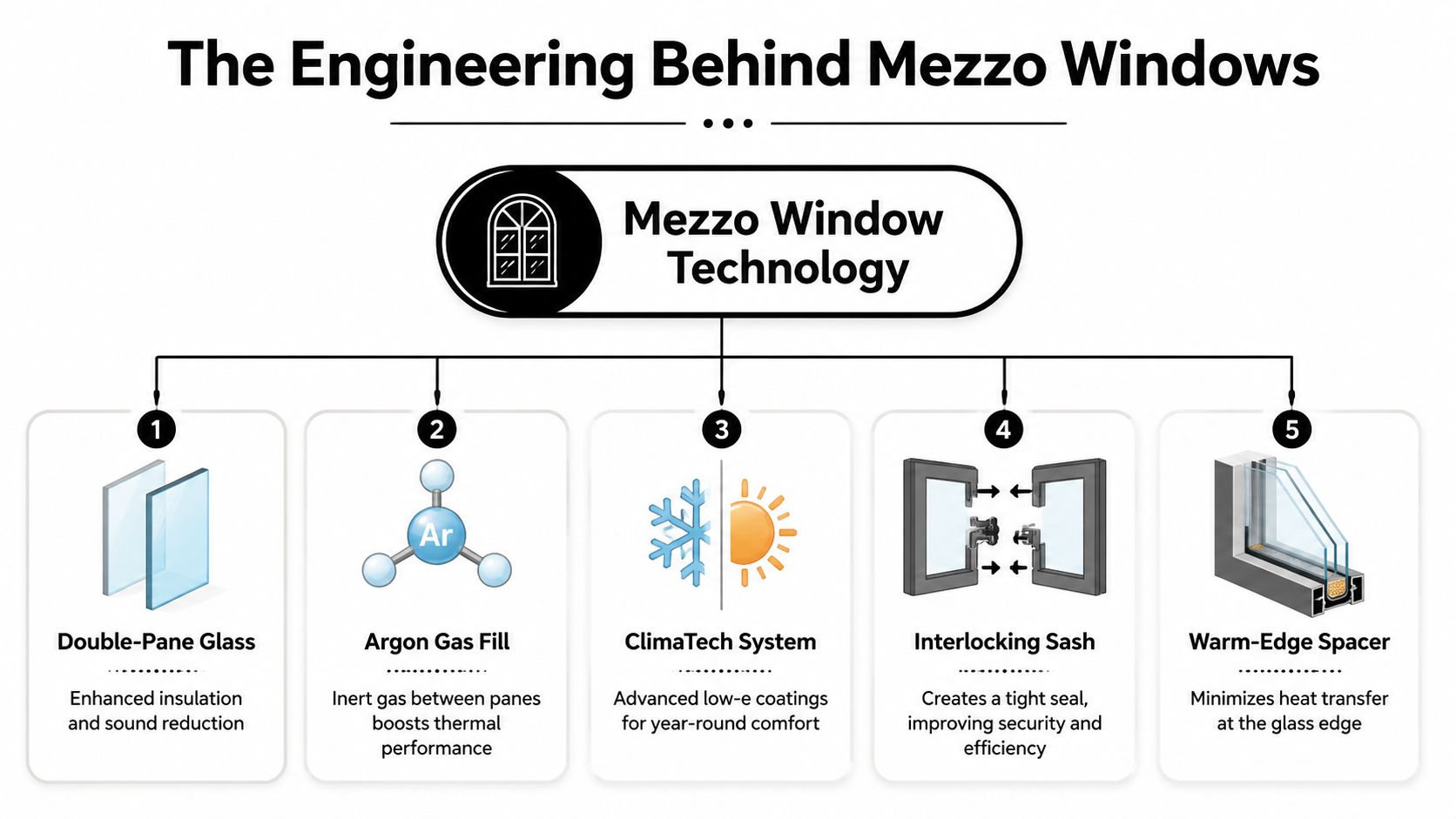
At a product level, Mezzo is built around a thermally optimized narrowline frame and sash, dual-pane insulated glass, fusion-welded corners, low-conductive composite reinforcement, an integrated sash-to-sill interlock, and a true sloped sill, as shown in the Alside Mezzo product catalog.
What the frame design really means
The narrowline frame is one of the most useful Mezzo features. In plain terms, you get less bulky vinyl and more visible glass. That changes the look of the window from both inside and outside.
For homeowners, that usually means:
- More daylight: Slimmer framing opens up the glass area.
- Cleaner sightlines: The window looks less heavy and less dated.
- Better fit for replacement work: It gives a more modern appearance without making the opening look crowded.
If you want to compare available configurations and materials before choosing a style, browse the current window and door product options.
Why reinforcement matters after the first year
A replacement window doesn't fail all at once. More often, it starts with small movement. A sash loses alignment. A lock gets tighter. Air sealing gets weaker at the corners. Homeowners describe it as “the window just doesn't feel as tight as it used to.”
That's where composite reinforcement and fusion-welded corners matter. They add stiffness and help the sash and frame hold shape over time. In Idaho, that's valuable because temperature swings can expose weakness quickly, especially on south- and west-facing walls.
Practical rule: Strength inside the sash matters just as much as glass performance. If the frame can't hold alignment, the seal won't stay reliable.
The sill and interlock are more important than they sound
The true sloped sill is a drainage feature. Water has to leave the window assembly cleanly. If it sits, backs up, or gets trapped by a poor design or poor installation, you eventually see staining, leakage, or trim damage.
The integrated sash-to-sill interlock helps the unit close up tighter while improving resistance to movement. That affects both security and weather resistance.
These aren't flashy features, but they're the kind of details installers care about because they help a window keep doing its job after multiple freeze-thaw cycles, wind events, and ordinary daily use.
Performance Built for the Treasure Valley Climate
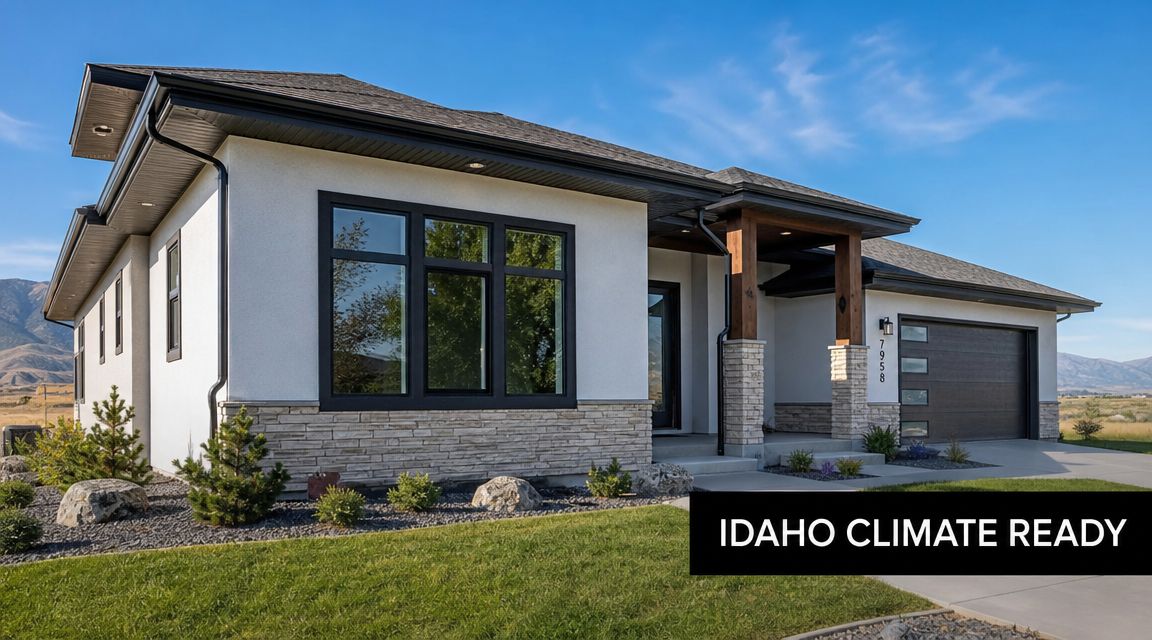
A January morning in Boise tells you fast whether your windows are doing their job. The furnace runs, the room still feels cool near the glass, and the west side of the house can feel completely different by late afternoon in August. Treasure Valley homes need windows that handle both ends of that swing without getting loose, drafty, or hard to live with.
Mezzo fits this climate because the package works as a system. The frame helps limit heat transfer. The glass options help control solar gain. The sill design helps move water out. On paper, those are product features. In the field, they matter only if the window is measured, installed, insulated, and sealed correctly for the opening.
Winter comfort and summer control
As noted earlier, Mezzo offers a thermally optimized frame and glass packages built for higher efficiency. For Idaho homeowners, that usually shows up in ways you can feel every day, not just on a spec sheet.
| Feature | What it helps with in Idaho |
|---|---|
| Thermally optimized frame | Helps reduce heat loss during cold spells |
| Insulated glass package | Improves comfort compared with older single-pane or worn-out units |
| Solar-control glass options | Cuts harsh afternoon heat, especially on west-facing rooms |
| Narrowline profile | Keeps more visible glass and natural light |
| Reinforced sash design | Helps the unit hold alignment through seasonal temperature swings |
The comfort difference is often most obvious in the rooms people use the most. A good window reduces that cold wash effect near the glass in winter and helps tame the hot spots that build up on sunny walls in summer. That can ease the load on the HVAC system, but homeowners usually notice the room feels more even first.
Real performance depends on the install
I've replaced plenty of decent windows that never had a fair shot because the install was sloppy. Gaps were left at the perimeter. Insulation was packed too tight or skipped. Flashing details were weak. Then the homeowner blamed the brand.
That is why product choice and installer choice belong in the same conversation. A Mezzo unit installed by an experienced Treasure Valley window company familiar with Boise-area conditions is far more likely to perform the way it should through freeze-thaw cycles, wind, dust, and summer sun. A strong window installed poorly can still leak air, trap water, or bind up over time.
Why water management matters here
Treasure Valley weather is dry compared with many parts of the country, but that does not let a window off the hook. Snow sits. Spring storms blow rain sideways. Irrigation and sprinklers hit lower walls all summer. If water is not directed out of the assembly, the trim and wall around the window pay for it later.
That's why sill design matters. So does proper shimming, fastening, and sealing during installation. The goal is simple. Keep the sash operating square, keep air leakage down, and give incidental water a clear path back out.
What works best by exposure
The best setup usually changes by room and by wall exposure.
- West-facing rooms: Put solar control and late-day comfort near the top of the list.
- North-facing bedrooms: Focus on indoor comfort, air sealing, and reducing that cold feel near the bed.
- Main living areas: Balance daylight, efficiency, and sound control.
- Bathrooms and kitchens: Pay attention to moisture, ventilation, and easy-clean operation.
That room-by-room approach gets better results than treating every opening the same. In Idaho, the right Mezzo package is only half the job. The other half is having it installed by a crew that understands how Boise-area homes behave through the year.
Window Styles to Elevate Your Idaho Home
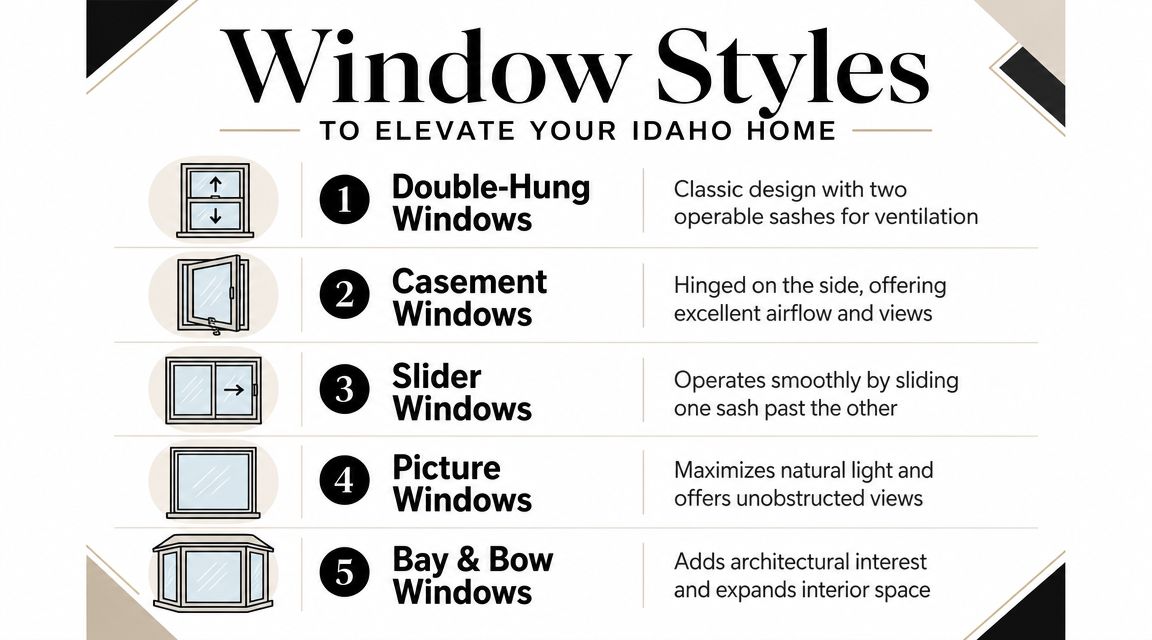
A solid replacement window should improve the house from the street and from the couch. Mezzo does well here because the slim frame profile changes how the opening looks. More visible glass usually makes a room feel brighter, and it can make an older elevation look cleaner without changing the house's character.
Independent review coverage notes that Mezzo's frame is slimmer than older models and that the line includes a wide range of shapes and styles, including specialty forms such as arches, hexagons, octagons, and triangles, along with transferable warranty coverage in the Brennan Corp Mezzo window review.
Matching style to the room
A good style decision starts with how you live in the space, not just what looks right in a catalog.
Double-hung windows fit well in traditional homes and in second-story rooms where easy cleaning matters. They also work nicely where homeowners want familiar operation and flexible ventilation.
Sliding windows are a practical choice over sinks, counters, and wider horizontal openings. They're simple to use and usually make sense in spaces where outward operation would be awkward.
Picture windows are often the best move when the goal is daylight and view. If your home faces foothills, open sky, or a scenic back yard, a bigger glass area can transform the room.
Where specialty shapes make sense
Specialty windows aren't only about appearance. They're often the right answer when the house already has a distinctive opening that shouldn't be forced into a plain rectangle.
Consider these use cases:
- Arches: Good for homes with softer rooflines or entry details.
- Triangles: Useful in gable ends and vaulted living spaces.
- Hexagons or octagons: Better as focal accents than as volume replacements.
- Circle tops: Strong fit for classic elevations that need architectural continuity.
The best-looking replacement job is usually the one that feels original to the house, not the one that looks most dramatic in a showroom.
Why the slimmer frame matters aesthetically
The narrow frame isn't just a technical feature. It improves proportion. Older bulky vinyl units can make the glass look pinched, especially when replacing wood windows with more delicate sightlines.
Mezzo's slimmer look helps preserve balance. That's valuable in Boise's older neighborhoods, in newer Meridian homes that rely on clean lines, and in custom remodels where homeowners want efficiency without a heavy vinyl appearance.
Why Your Installer Is as Important as Your Window
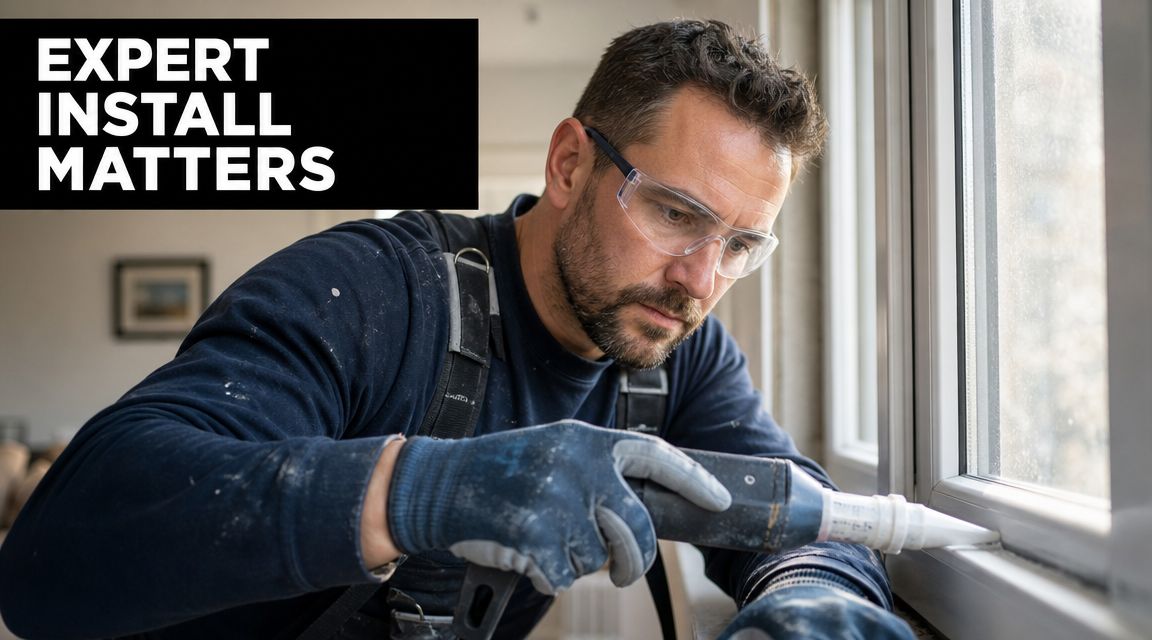
Here's the honest part of any Mezzo windows review Idaho homeowners should hear. The product matters. The installation matters just as much.
Homeowner discussions around Mezzo often drift quickly from the window itself to the people putting it in. One review-oriented source notes that consumer concern repeatedly centers on workmanship, with comments that the windows were “not bad” but the installers were “horrible,” and argues that buyers really need answers about air sealing, flashing, cleanup, and warranty handling in the Dallas Windows discussion of Alside Mezzo reviews.
What bad installation looks like in real life
A poor install doesn't always leak on day one. Sometimes it shows up as a draft that shouldn't be there. Sometimes the sash gets harder to operate after the first seasonal swing. Sometimes the trim line tells the story before the homeowner does.
Common jobsite problems include:
- Loose fit in the opening: The window may be level enough to pass a quick glance, but it won't seal properly over time.
- Weak air sealing: Gaps around the perimeter let outside air bypass the upgraded glass package.
- Poor flashing details: Water gets a path where it shouldn't have one.
- Messy finish work: Caulk lines, damaged trim, and debris signal a rushed process.
These are installation failures, not product failures. Homeowners often lump them together because they experience the project as one thing.
What a good installer should actually do
A capable installer doesn't just swap one frame for another. The crew should evaluate the condition of the existing opening, check for movement or damage, set the unit square, insulate the perimeter correctly, manage water, and finish the interior and exterior cleanly.
A strong installation process usually includes:
| Installation stage | What you should expect |
|---|---|
| Measurement | Exact field measurements, not guesswork |
| Opening prep | Inspection for hidden damage, old sealant issues, and out-of-square conditions |
| Set and secure | Proper shimming, fastening, and alignment |
| Air sealing | Tight perimeter insulation and controlled sealant work |
| Water management | Flashing and drainage details that respect the opening |
| Finish and cleanup | Clean trim lines, debris removal, and operational checks |
Buyers remember the window brand before the project. They remember the installation quality for the next ten years.
The local factor matters in Idaho
Installation details change with climate and housing stock. Boise bungalows, Meridian production homes, Eagle customs, and Caldwell remodels don't all present the same opening conditions.
That's why local experience matters. An installer who understands Idaho weather, common framing conditions, and what wind and moisture do to a replacement opening is more likely to protect the performance you paid for.
Understanding Your Investment Warranty and Financing
Most homeowners don't hesitate because they dislike new windows. They hesitate because they want to make one good decision and not revisit it.
That means looking past the frame color and glass package and asking two practical questions. What protects me if something goes wrong, and how do I pay for the project without forcing the wrong timing?
What to look for in a warranty
A useful window warranty should be easy to understand before you sign anything. The details matter more than the headline.
Focus on these points:
- Product coverage: What parts of the window are covered, and for how long?
- Glass coverage: Ask specifically about seal failure and insulated glass issues.
- Transferability: If you sell the home, can the next owner benefit?
- Labor coverage: This is a major one. Manufacturer coverage and installation coverage are not the same thing.
Mezzo is often discussed as a strong replacement option partly because review coverage notes transferable warranty coverage on the line. That's helpful, but homeowners should still verify how the installing company handles labor, service calls, and post-install corrections.
Why financing can be useful even when you can pay cash
Some homeowners use financing because they need it. Others use it because they'd rather preserve cash for other parts of the remodel. Both approaches are reasonable.
The key is to treat financing as a planning tool, not a reason to stretch into a project that doesn't fit. Ask simple questions:
- What's included in the contract and what is optional?
- Are trim, disposal, and finishing details clearly defined?
- How is service handled if something needs adjustment after install?
- Does the payment structure match the project schedule?
A window replacement is easier to feel good about when the paperwork is as clear as the product. The best projects don't leave homeowners wondering what was promised.
A good warranty helps after a problem. A good contract helps prevent the argument in the first place.
Think in long-term value, not just line-item cost
The right replacement window can improve comfort, reduce nuisance drafts, support resale appeal, and make the house quieter and easier to live in. Those are daily-use benefits, not brochure benefits.
That's why the cheapest-looking proposal isn't always the best buy. If the install is weak, the finish work is sloppy, or labor coverage is thin, a lower number on paper can become the more expensive decision.
Get Your Free Quote for New Windows Today
If you want the short version of this Mezzo windows review Idaho homeowners can use, it's this. Mezzo is a smart product line for Treasure Valley homes because it combines a slimmer frame, energy-focused design, solid drainage details, and a broad style range that works in both older and newer houses.
But the bigger takeaway is just as important. The window alone doesn't decide the result. In Idaho, real performance comes from the combination of the right unit, the right glass package, and an installer who knows how to measure, seal, flash, and finish the opening correctly.
If you're comparing options now, keep the next step simple:
- Walk your house room by room: Note where drafts, glare, or temperature swings bother you most.
- Prioritize problem elevations first: West-facing heat and north-facing cold usually move to the top.
- Ask detailed installation questions: Don't settle for a product pitch alone.
- Review warranty and labor coverage together: Those should make sense as one package.
A no-pressure quote should help you understand fit, style, glass options, scope, and installation approach. It shouldn't leave you more confused than when you started.
If your windows are making winter colder, summer hotter, or certain rooms harder to enjoy, this is the right time to price the project and get clear answers.
If you're ready to talk with a local team that installs Mezzo windows with the care Idaho homes require, contact C & C Windows & Doors for a free quote. They serve Treasure Valley homeowners with custom measurements, professional installation, financing options, and long-term warranty support designed for real-world performance.