You notice it first on a cold morning. The glass feels chilly even from a few feet away, there's a faint draft near the stool, and one corner of the frame shows the kind of staining that makes you wonder what's happening behind the trim. In summer, the same room gets too hot by mid-afternoon. The windows aren't just old. They're working against the house.
That's usually when homeowners start searching for the best window installer in Caldwell, Idaho. The hard part isn't finding companies. It's figuring out who will diagnose the precise condition of the opening, explain the trade-offs clearly, and hand you a quote that won't change the moment the old unit comes out.
Table of Contents
- Your Guide to Finding a Great Window Installer in Caldwell
- Vetting Installers Beyond Online Reviews
- Decoding Window Technology for the Idaho Climate
- Maximizing Your In-Home Consultation
- Evaluating Proposals Warranty and Financing
- Why Local Expertise Matters A Caldwell Example
Your Guide to Finding a Great Window Installer in Caldwell
Caldwell gives homeowners a real choice. As of 2025, Caldwell has 20 best-rated window companies, selected based on customer reviews, installation expertise, and popularity with local homeowners, according to EcoWatch's Caldwell window company overview. That's good for competition, but it also means a homeowner can get buried in polished websites, star ratings, and sales promises that sound nearly identical.
A better way to choose is to stop thinking like a shopper and start thinking like a project manager. A window replacement job isn't just about picking a brand or finding a low price. It's about whether the installer understands Caldwell's temperature swings, the moisture risks in older openings, and the difference between a quick quote and a careful inspection.
Practical rule: The right installer talks about the condition of the opening, the glass package, drainage, trim details, and cleanup. The wrong one jumps straight to monthly payments and a close date.
The homeowners who end up happiest usually do three things well:
- They screen for process, not polish. Good reviews help, but they don't tell you whether the crew checks for flashing problems or out-of-square openings.
- They compare diagnostics, not just bids. A tight, itemized proposal from a careful company is more useful than a vague lower number.
- They match the window to the house. What works in a mild climate won't always hold up the same way in Caldwell's winter cold and summer heat.
That's the lens to use if you're trying to find the best window installer Caldwell Idaho homeowners can trust for the long haul. You want a company that can explain what it's seeing, why it matters, and what it plans to do before work begins.
Vetting Installers Beyond Online Reviews
Start with reputation, but don't stop there. Reviews tell you whether past customers felt heard, whether crews showed up, and whether cleanup was handled well. They don't tell you enough about technical skill. In Caldwell, that technical side matters because replacement work often involves older framing conditions, weather exposure, and openings that haven't stayed perfectly square over time.
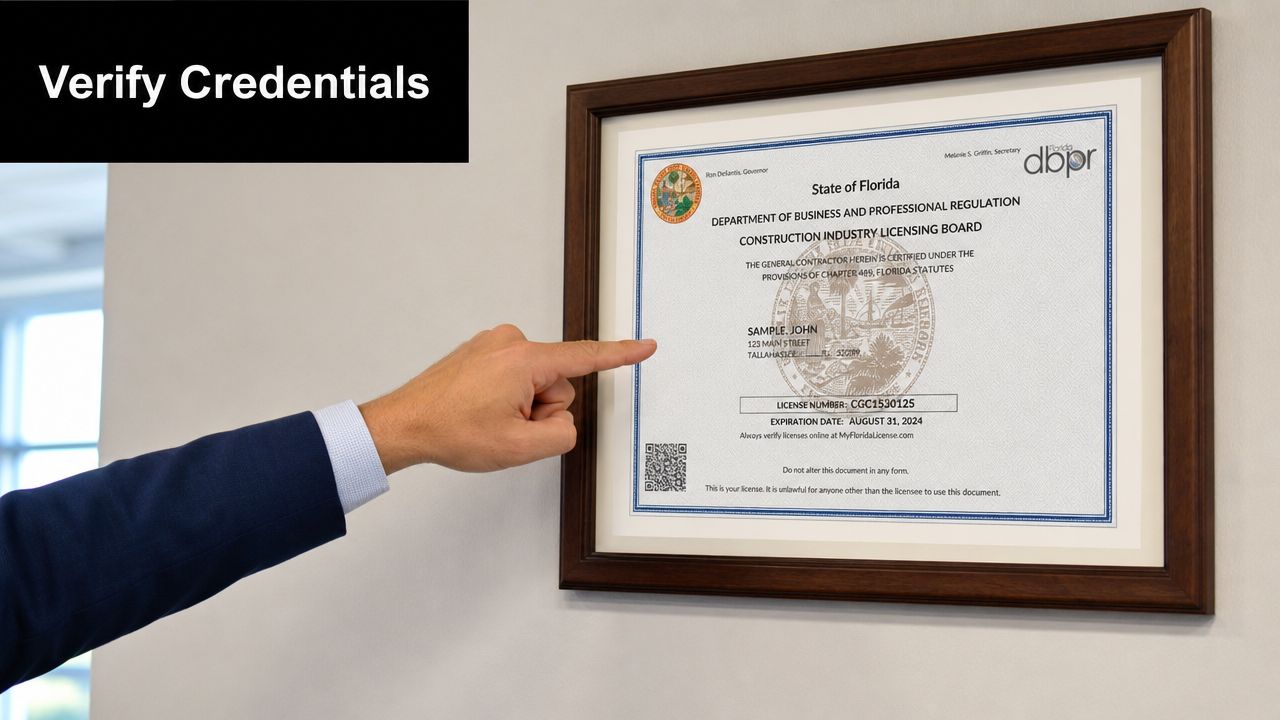
What to verify before the appointment
A strong local market usually brings better standards. In Caldwell, the average window replacement contractor has over 13 years of industry experience, which reflects a solid baseline of local expertise, according to The Home Depot's Caldwell service page. Experience alone doesn't guarantee a good fit, but it does tell you the market isn't made up only of brand-new operators.
Before you invite anyone into the house, ask for the basics in plain terms:
- License and business identity. You want to know who is responsible for the job.
- Liability insurance. This protects the homeowner if property is damaged during the project.
- Workers' compensation coverage. If a crew member gets hurt on site, this matters.
- Installation training. Factory training or product-specific training usually shows up in how carefully the installer talks about measurements, glass packages, and installation sequencing.
If you're comparing local crews against national chains or retail-driven sales models, this guide on local vs big box window installers is a useful way to frame the difference in how projects get sold and managed.
Online ratings are a starting line, not a finish line. The best installers make it easy to verify the boring paperwork because they know that paperwork protects the homeowner.
What a diagnostic approach looks like
The biggest difference between an average appointment and a good one is simple. A salesperson measures the visible opening. A diagnostician studies the whole assembly.
That means the installer should be looking at interior trim condition, signs of prior water entry, exterior drainage paths, movement in the frame, and whether the replacement strategy fits the house. On some homes, an insert replacement may be reasonable. On others, full-frame work is the smarter choice because it exposes hidden issues and allows proper rebuilding around the opening.
Here are signs you're dealing with a professional who thinks ahead:
- They ask about symptoms first. Drafts, condensation patterns, sticking sashes, noise, or seasonal overheating all reveal something different.
- They inspect both inside and outside. A quote from the living room alone is rarely enough.
- They explain what could change the scope. Rot, failed flashing, and framing movement shouldn't be treated like surprises that nobody could have anticipated.
- They write clearly. If the proposal says little more than “replace windows,” that's not enough detail for a confident decision.
A practical way to vet any installer is to ask, “What problems are you trying to rule out before you price this?” The answer tells you a lot. Good installers will mention water management, structure, insulation gaps, and installation method. Weak ones will circle back to discounts.
For homeowners trying to narrow the field, HomeAdvisor's Caldwell window listings are useful because they focus on local pros with verified customer reviews and professional ratings. That still doesn't replace direct vetting, but it can help you build a short list worth interviewing.
Decoding Window Technology for the Idaho Climate
A lot of window jargon exists to hide simple ideas. For Caldwell homes, the two numbers that matter most in conversation are usually U-factor and SHGC. If the installer can't explain those in regular language, slow the meeting down and ask again.
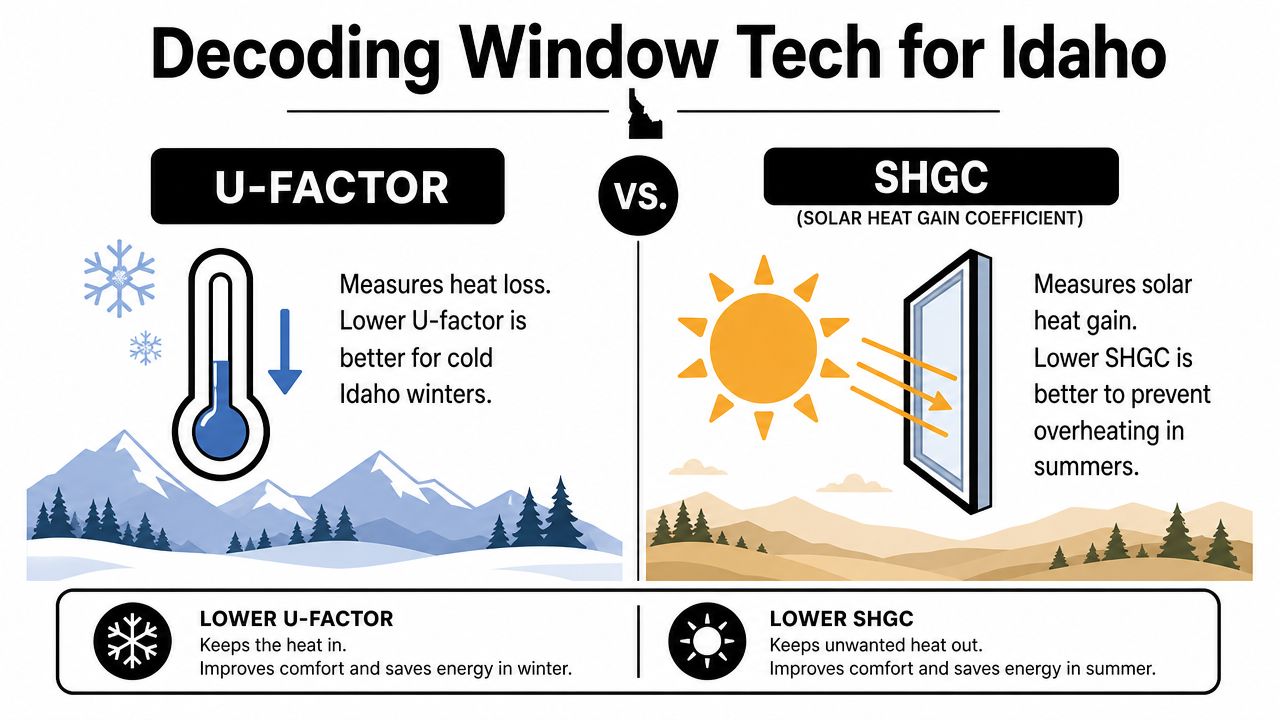
Why U-factor and SHGC matter here
U-factor measures how much heat escapes through the window. Lower is better when winter cold is part of normal life. SHGC, or Solar Heat Gain Coefficient, tells you how much solar heat comes through the glass. Lower SHGC can help keep rooms from overheating during the hottest parts of the year, especially on exposures that take strong afternoon sun.
Climate-specific quoting starts separating serious installers from generic sales reps. Few installers provide data-backed comparisons tied to current standards. The U.S. Department of Energy says windows in climates like Idaho's require U-factors below 0.20 to prevent up to 30% of residential energy loss, as noted in this energy-efficient windows guide for Idaho homes. That doesn't mean every house needs the same package. It means the discussion should start with performance, not appearance.
If your installer spends more time talking about grille patterns than glass performance, you're not having the right conversation yet.
Glass packages matter too. Standard double-pane may be enough for some homes and budgets. Low-E coatings with Argon gas usually make more sense when comfort is the goal. Triple-pane enters the conversation when the homeowner wants stronger thermal performance, a quieter interior, or both.
Window Performance Upgrades Compared
| Feature | What It Is | Benefit for Caldwell Homes |
|---|---|---|
| Double-pane glass | Two layers of glass with an insulating space between them | A meaningful step up from older single-pane units for everyday comfort |
| Low-E glass | A coating that helps manage heat transfer through the glass | Helps rooms feel more stable across winter cold and summer sun |
| Argon gas fill | An insulating gas placed between panes | Supports better thermal performance than an unenhanced unit |
| Triple-pane glass | Three layers of glass instead of two | Better suited to homeowners prioritizing stronger efficiency and a calmer indoor feel |
| Lower U-factor package | A window configuration designed to reduce heat loss | Important when winter performance is a priority |
| Lower SHGC glass | Glass that limits solar heat gain | Helps on sun-heavy sides of the house where rooms heat up fast |
Noise is another overlooked issue. For many Treasure Valley homeowners, a quieter room is part of what makes a replacement feel worth it. Replacement window STC ratings range from 18 to 50, and double-paned windows in Idaho homes typically reach 28 to 32, according to this explanation of replacement window sound ratings. Higher values indicate better noise reduction. That doesn't mean every loud street needs triple-pane, but it does mean sound control can be discussed in more concrete terms than “these should be quieter.”
Frame and hardware details homeowners miss
Most homeowners focus on the glass first, which makes sense. But long-term satisfaction often comes down to frame design, sash rigidity, drainage, and hardware quality.
A narrow frame profile can preserve more glass area, but it still needs to stay rigid. Low-profile locks can improve sightlines, but they shouldn't feel flimsy. Sloped sill design matters because water has to go somewhere. If a window looks great in the showroom but handles water poorly in the field, that beauty won't matter for long.
Ask installers to show you actual corner construction, sill design, and lock operation. Don't settle for broad statements like “premium build quality.” A good company can put a sample in your hands and explain why each detail exists.
Maximizing Your In-Home Consultation
A consultation goes better when the homeowner treats it like an interview. You're not there to be convinced. You're there to find out how the installer thinks, what they check, and what they'll put in writing.
The smartest questions aren't dramatic. They're practical, specific, and hard to dodge.
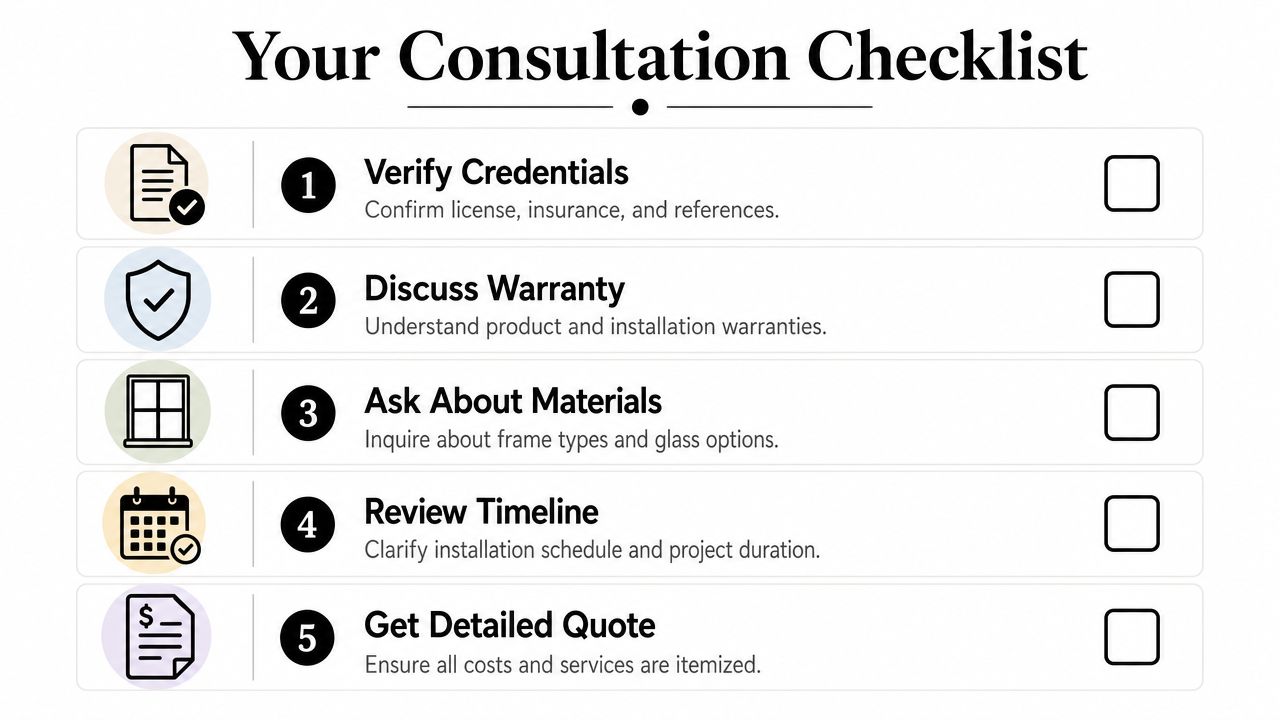
Questions that reveal how an installer really works
Use questions that force the company to describe its process step by step:
- How do you protect floors, furniture, and adjacent finishes? Good crews have a routine, not a vague assurance.
- What measurements do you take beyond width and height? You want to hear about squareness, depth, and condition of the opening.
- How do you handle insulation around the new unit? This tells you whether they think beyond the window itself.
- What does cleanup include? Debris removal, old unit haul-off, and trim cleanup should be addressed clearly.
- Who installs the windows? Ask whether the work is handled by an in-house crew or subcontracted out.
- What happens if one opening needs a different scope than the others? Mixed-condition homes are common.
Ask every installer the same five or six questions. The exact answers matter, but the confidence and clarity matter too.
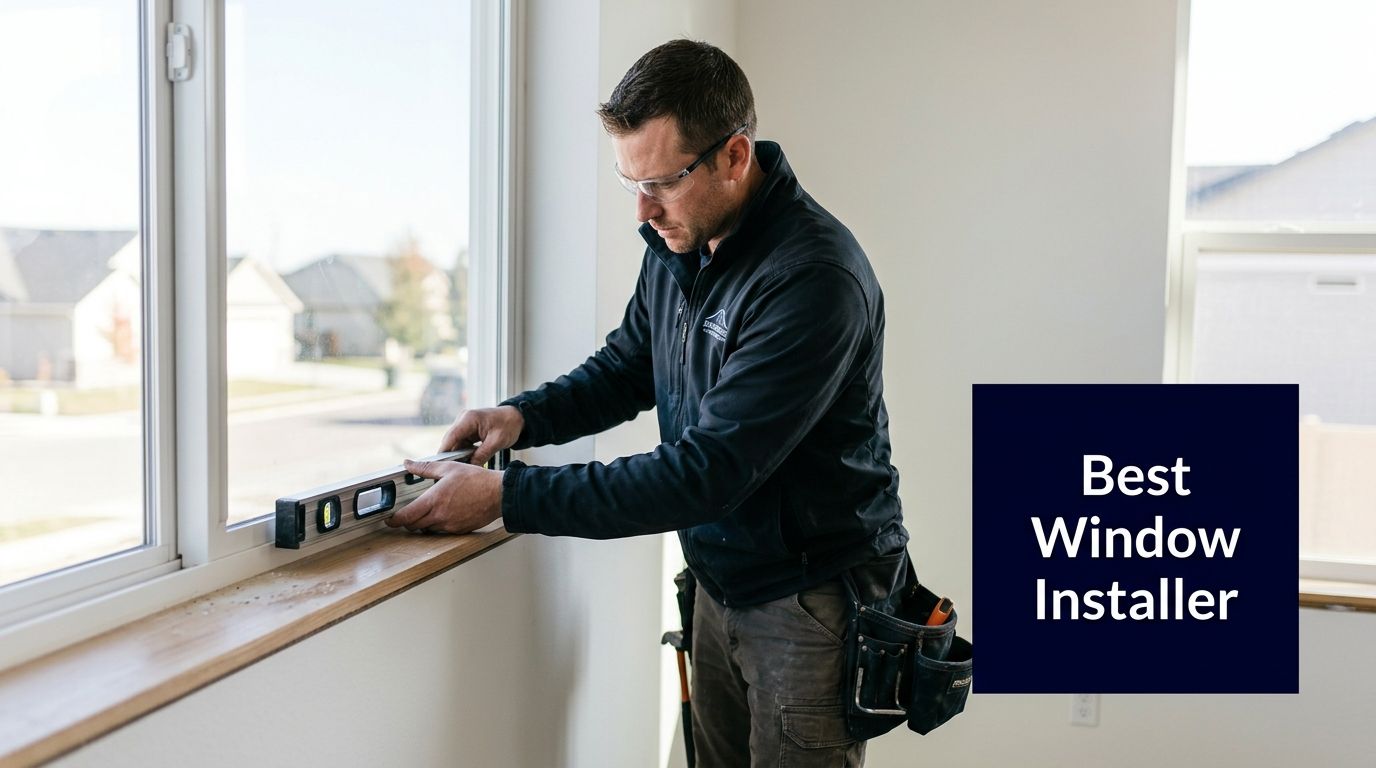
One of the best prompts is, “Walk me through installation day from arrival to final cleanup.” Skilled installers answer this without fumbling because they've done it enough times to have a repeatable process.
How to talk about hidden repair risk
Older homes can look fine until the old unit comes out. That's why homeowners should ask specifically about concealed issues. The risk is real. A 2025 NAHB survey found that 42% of window replacement projects in older homes required unexpected structural or moisture-related repairs, and those repairs can add 15 to 25% to total project costs if they aren't discussed upfront. Use that as your reason for demanding clarity, not as a reason to panic.
A good consultation should include questions like these:
- What signs would make you suspect hidden moisture damage before demolition?
- If you find bad flashing or framing issues, who documents it and how is pricing handled?
- Do you pause for approval before extra work begins?
- Can your quote separate window replacement from possible remediation work?
The right contractor won't pretend these issues never happen. They'll explain how they identify them, how they communicate them, and how they keep the homeowner in control of the decision.
Evaluating Proposals Warranty and Financing
Once proposals hit the table, the temptation is to scan to the bottom line and compare totals. That's how homeowners end up choosing a cheaper number that covers less work, weaker materials, or a thinner warranty. A solid quote should make the scope easy to understand without a phone call to decode it.
How to read the quote line by line
A useful proposal answers basic questions in writing. What window line is being installed? What glass package is included? Is the job insert replacement, full-frame replacement, or a mix? Are interior trim touch-ups, exterior capping, disposal, and cleanup spelled out?
Look for the places where confusion usually starts:
- Product details. If the quote doesn't identify the unit well enough to distinguish one option from another, it's too vague.
- Installation scope. “Install new windows” isn't enough. The document should reflect how the company plans to remove, prep, seal, and finish.
- Exclusions. If rot repair, trim rebuilds, or repainting aren't included, that should be stated plainly.
- Change-order process. You want to know how added work gets approved before it happens.
A vague proposal creates arguments later. A detailed one reduces surprises because both sides know what's included.
The cheapest quote is often the least complete quote. Price only becomes meaningful when scope is clear.
Warranty language that deserves a second look
Homeowners often hear “lifetime limited warranty” and assume everything is covered forever. That's not how warranty language works. There are usually two different protections in play: the manufacturer's product warranty and the installer's labor warranty.
Those are not interchangeable.
Read closely for these distinctions:
- Product coverage: glass seal failure, hardware defects, frame issues, finish limitations
- Labor coverage: correction of installation defects such as leaks, alignment issues, or finish problems tied to workmanship
- Transferability: whether coverage changes if the house is sold
- Limitations: maintenance requirements, excluded damage, and prorated terms if any apply
If financing is part of the decision, treat it as a budgeting tool, not proof of value. Monthly payment options can make a higher-performing package more manageable, but financing doesn't rescue a weak installation plan. Homeowners who want to understand common structures before signing anything can review this overview of window financing options in Boise and the Treasure Valley.
When comparing two proposals, ask one final question: “If there's a callback, who owns it?” The answer should be direct. Long-term satisfaction depends as much on after-installation accountability as it does on day-one workmanship.
Why Local Expertise Matters A Caldwell Example
Local expertise shows up in details that don't make flashy marketing copy. It shows up in whether the installer understands drainage, hardware durability, frame rigidity, and how Idaho weather exposes weak design decisions. That's why Caldwell homeowners are usually better served by a company that talks concretely about mechanical design instead of using broad comfort claims.
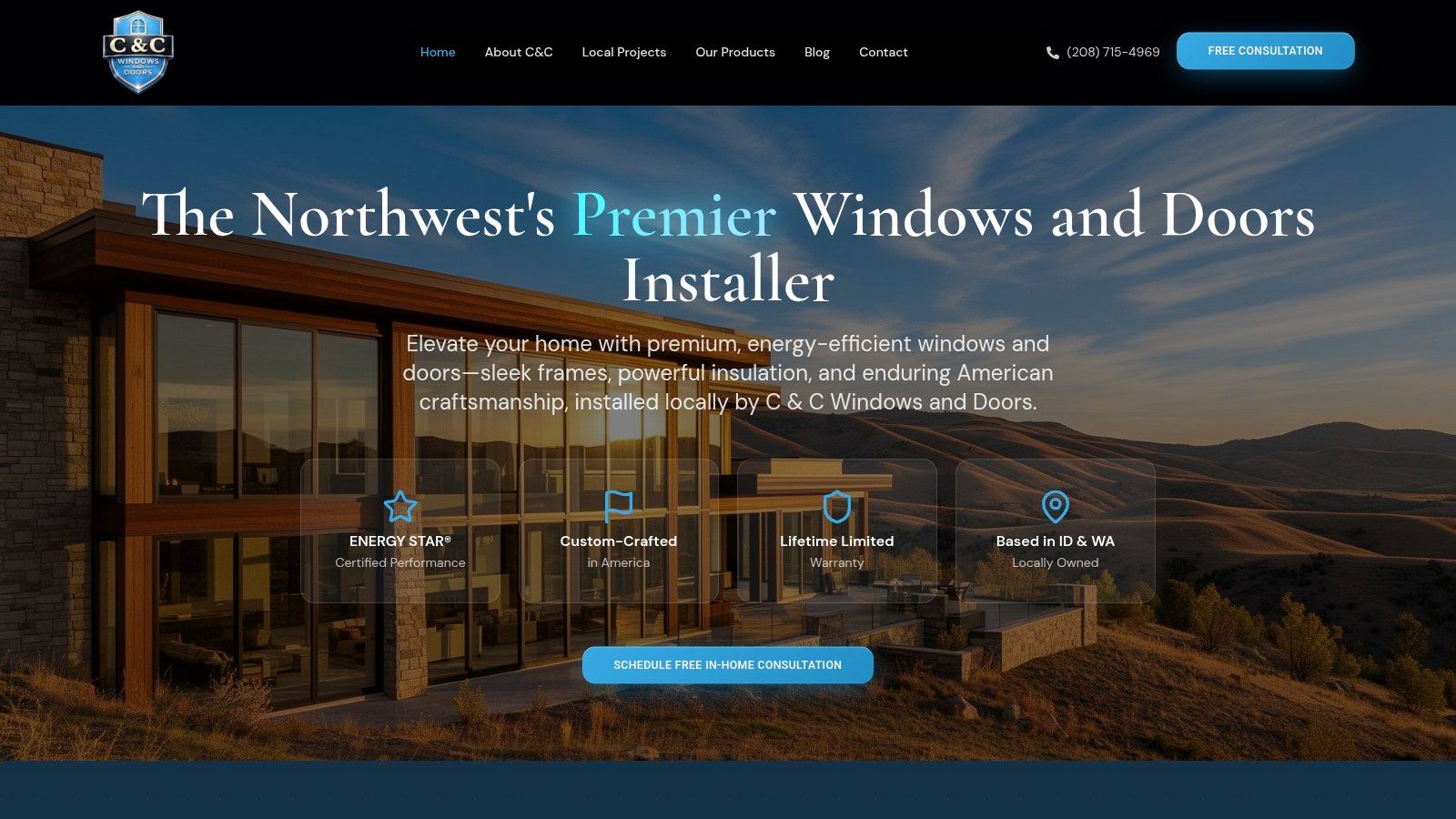
One useful local example is C & C Windows & Doors. Their published approach lines up with the criteria that matter in this market: climate-focused product selection, custom measurement, and debris-free installation. According to their product and engineering information, Idaho's climate-specific window engineering demands low-profile locking systems and true sloped sills for reliable drainage, and they use composite-reinforced sashes and EdgeEdge sightline frames to meet those mechanical thresholds.
That matters because those aren't decorative features. They address how a window operates, sheds water, and holds up through seasonal swings. A narrow sightline may improve the look of the opening, but if the sash lacks reinforcement or the sill design doesn't manage drainage well, appearance won't save the installation.
The same logic applies to the rest of the buying process. A company with a factory-trained team, a clear consultation process, and written warranty coverage gives the homeowner something more valuable than a polished pitch. It gives them a predictable job.
For anyone still narrowing the search for the best window installer Caldwell Idaho residents can feel comfortable hiring, that's the standard worth using. Look for climate fit, diagnostic honesty, installation clarity, and accountability after the work is done.
If your Caldwell home has drafty glass, aging frames, or quotes that feel too vague, C & C Windows & Doors is a practical place to start. They offer in-home consultations, custom measurements, and window options built for Idaho conditions, so you can compare real installation scope, performance choices, and warranty details before making a decision.